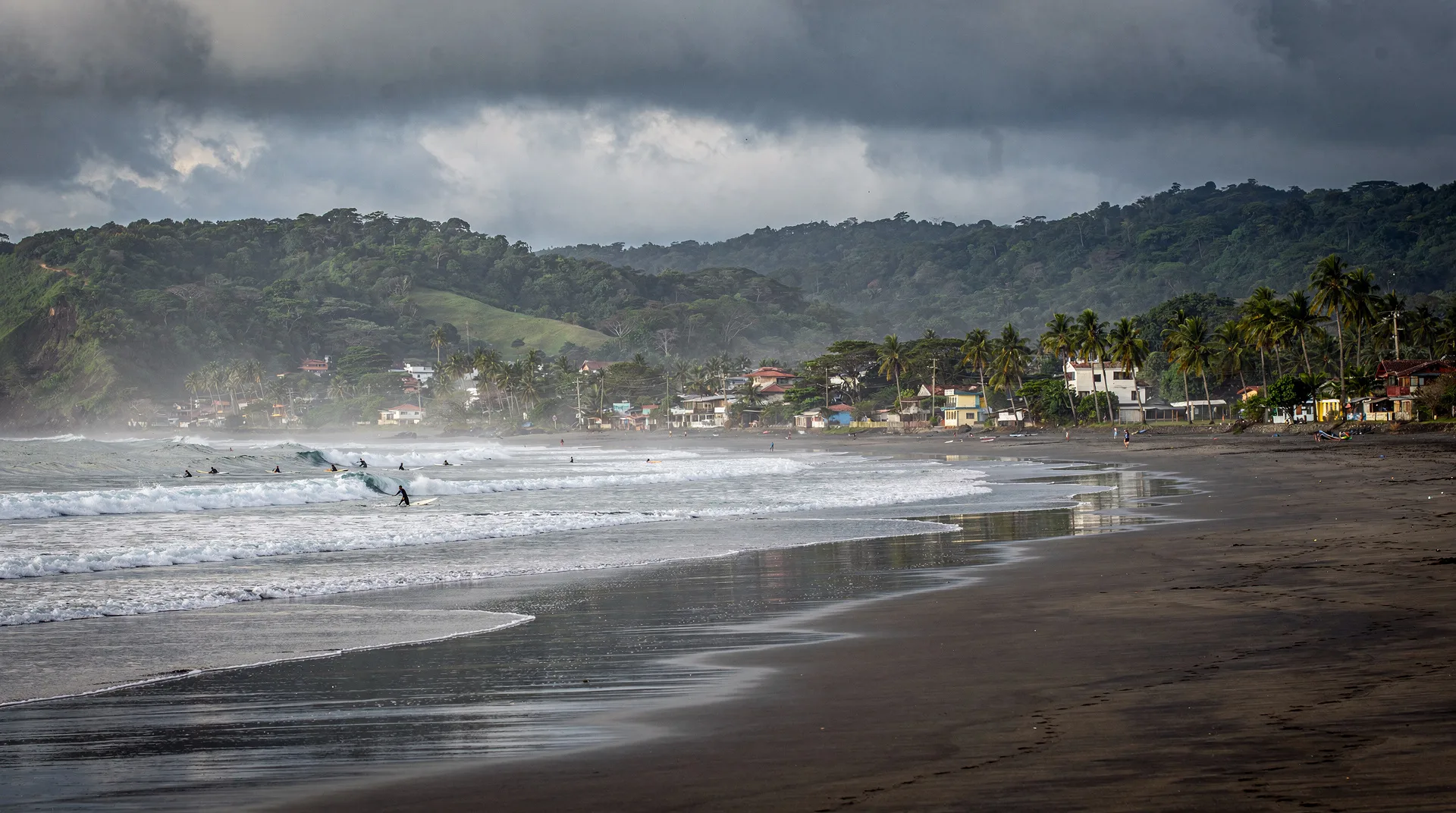
Jacó — the Central Pacific's surf town with more depth than its reputation
Plan your Jacó trip: beginner surf lessons, Tortuga Island snorkeling, waterfall tours, bioluminescence boat trips, and ziplines. Real prices 2026.
Top experiences nearby
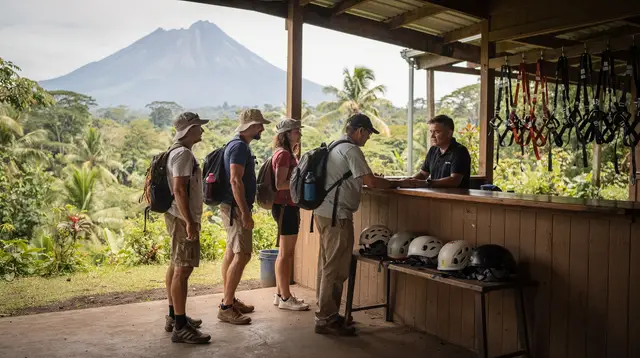
The Explorer waterfall tour (Jacó)
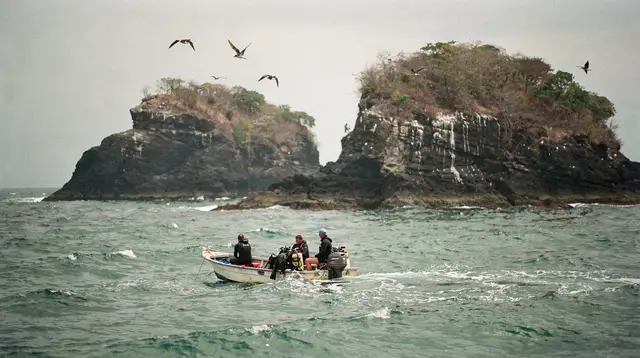
Jacó: snorkeling tour with white sand beach visit
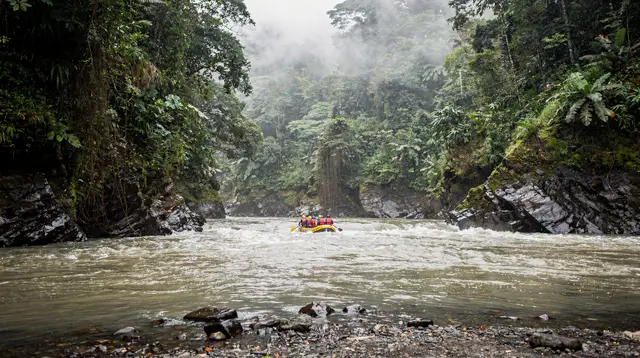
Jacó horse tours
Jacó: 5-in-1 adrenaline treetop & jungle adventure

Jacó Beach: aerial tram rainforest half-day tour
From Jacó: bioluminescence boat tour with BBQ & drinks
Quick facts
- Best time to visit
- December to April (dry season); May–October for more reliable surf swell
- Days needed
- 2 to 3 days
- Getting there
- 1.5 hours from San José by car; 1.5 hours from Manuel Antonio
- Budget per day
- USD 55–80 budget · USD 110–170 mid-range · USD 250+ resort
The Central Pacific’s most accessible beach escape
Jacó is 1.5 hours from San José on a well-paved highway, which makes it the closest surf beach to the capital and the default long-weekend escape for Josefinos. That proximity has shaped the town’s character: it is more commercial and louder than southern Pacific destinations like Uvita or Dominical, with a main strip that runs the gamut from surf shops and beach bars to sport fishing outfitters and casino hotels. It is also more diverse in its offer than critics give it credit for: the waterfall tours, the bioluminescent bay, Tortuga Island, and the Carara National Park macaw colony are all accessible within an hour, making Jacó a solid base for activity-focused travellers who want beach plus adventure in a compact package.
| Where | Central Pacific, Puntarenas province, 1.5hrs from San José |
| Cost | Around $55-80/day budget; $110-170 mid-range |
| Time needed | 2-3 days |
| Getting there | Route 27 toll road from San José; shared shuttles $45-55 |
| Best time | December-April dry season; May-October for surf swell |
The main beach is a 3-kilometre dark-sand crescent — the volcanic grey sand is typical of the Central Pacific. Swimming conditions depend on surf: in flat periods (particularly December–March) the water is calmer, but riptides are present year-round, and the beach is not as swimmable as Quepos or Uvita. Always check flag conditions and ask locals before entering the water. Our beach safety guide explains how to read a riptide, and if you are travelling with young children, kid-safe beaches lists calmer options along the coast.
Jacó’s surf is genuine. The beach break in front of town is consistent for beginners in the early mornings before the onshore wind picks up. The points further south — Playa Hermosa (not to be confused with the Guanacaste one) 8 km south of Jacó — host a famous annual professional surfing competition and produce fast, powerful waves for experienced surfers.
Surfing in Jacó
Jacó is one of the best places in Costa Rica to learn to surf, largely because the infrastructure supports beginners well: dozens of certified surf schools, board rental on every block, and a beach break that produces manageable waves most of the year.
Jacó beginners surf lessons — from $50 — $50 for a 2-hour group lesson with an experienced instructor, board and rash guard included. This is the standard entry-level format; most people are standing up and catching their first unassisted waves by the end.
Group lessons run smaller than at many surf destinations — typically 4 to 6 students per instructor — which keeps the wave-catching ratio favourable even in high season. Private lessons ($70-90 for 90 minutes) are worth considering for anyone who wants faster progress or has a fear of crowds in the water. Board rental alone, for confident beginners who just want to practice, runs $15-20 per day from any of the dozen-plus shops on the main strip.
If surfing is the main reason for your trip, the Jacó surf guide goes deeper on the individual breaks, while surf seasons by region and tide and surf conditions help you time your days in the water. Anyone considering a longer stay built around lessons can also look at surf camps in Costa Rica.
For families with children:
The Explorer waterfall tour from Jacó — from $95 — $95 for 5 hours, combining a guided hike to a local waterfall with swimming and forest exploration. A good non-surf option for mixed groups where not everyone wants to be in the ocean.
At Playa Hermosa (8 km south), the surf is significantly more powerful and best suited to intermediate-to-advanced surfers. Board rental and shapers operate out of the small cluster of bars and restaurants along the beach road.
Tortuga Island
Isla Tortuga, a national biological reserve 45 km offshore in the Gulf of Nicoya, offers the clearest water and best snorkeling accessible from the Central Pacific. The island’s two white-sand beaches and calm turquoise coves are a complete contrast with the dark volcanic sand of Jacó itself. The boat ride takes 1.5–2 hours.
Tortuga Island boat tour from Jacó with lunch and snorkel — from $140 — $140 for 8 hours including the boat, snorkeling equipment, a beach lunch, and time on the island. The snorkeling here is genuinely good — you will see reef fish, sea urchins, and occasionally rays. One of the better full-day excursions from Jacó.
The island is also accessible from San José ($130, 12 hours including transfer) and from Quepos. If you are based in Jacó for 2–3 nights, this is the obvious full-day excursion. To compare it with other snorkeling spots, see best snorkel beaches in Costa Rica and snorkel vs dive: where to go; the marine life guide helps you know what you might spot underwater.
Bioluminescence
The bay at Jacó hosts bioluminescent plankton (Noctiluca scintillans) that create a glow in the water at night — visible when the water is disturbed by movement. This phenomenon is real, seasonal (most active June–October in calm conditions with a new moon), and genuinely spectacular when conditions cooperate. Night boat tours depart from the Jacó marina at sunset and include time in the water swimming in the glow, plus a BBQ on board.
bioluminescence boat tour from Jacó with BBQ and drinks — from $110 — $110 for 4 hours, departing around 18:00. One of the more memorable Costa Rica experiences, and one that few visitors put on their radar. Conditions are unpredictable — ask the operator honestly about recent activity before booking in the wrong month.
Ziplines and aerial adventures
The hillside terrain behind Jacó accommodates several canopy operations. The Midworld Adventure Park, 15 minutes from the beach, has 12 zip cables through secondary forest with good views of the bay. Pacific Aerial Tram offers a cable gondola through the forest canopy for a slower, wildlife-focused perspective — particularly good for spotting birds and sloths without physical exertion.
Jacó Beach zipline canopy tour — from $75 — $75 for 3.5 hours, covering 12 cables with views over the Pacific. Comparable to other Costa Rica zipline operations; the highlight is the coastal view rather than the forest density.
For travellers who want to compress several adventures into a single day, multi-activity parks combine zipline, suspension bridges, rappelling, and a Tarzan swing on the same property — a useful format if you have one half-day to commit to adrenaline and want everything covered.
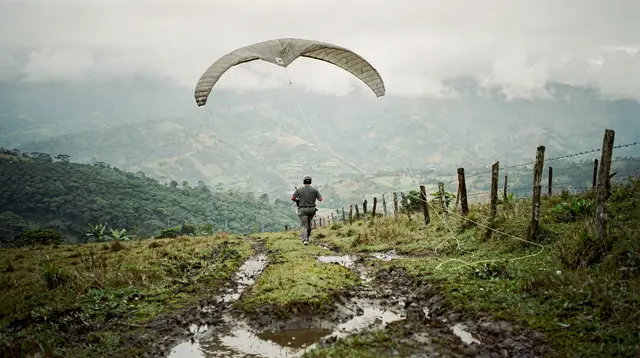
Jacó’s 5-in-1 adrenaline treetop and jungle adventure — from $135 — $130 for 4 hours covering five separate activities (zipline, hanging bridges, rappel, Tarzan swing, and a tram or hike depending on operator), with all gear and a snack included. The most comprehensive single-stop adventure format near Jacó.
Sport fishing out of Jacó
Jacó’s marina puts it within reach of some of the Central Pacific’s best offshore fishing grounds. Inshore trips (roosterfish, snapper, snook) run half-days close to the coast, while offshore charters push out toward the continental shelf for sailfish, marlin, mahi-mahi, and yellowfin tuna, particularly strong December through April. Half-day inshore charters start around $450-600 for the boat (typically 2-4 anglers), while full-day offshore trips run $900-1,400. It is not a budget activity, but the Central Pacific’s productivity makes Jacó one of the more reliable bases in the country for a serious fishing day.
Carara National Park
Located 30 km north of Jacó on the road to San José, Carara is one of Costa Rica’s most accessible national parks and one of the best places in the country to see scarlet macaws. The park sits at the biological transition zone between the dry forest of Guanacaste and the humid forest of the south — the wildlife diversity is exceptional. Entry $17, open daily 07:00–16:00.
The macaw colony at Carara roosts and feeds at the Río Tárcoles bridge, visible from the road, and the park’s forest trails give excellent bird sightings in the first two hours of morning. The Río Tárcoles bridge (free, no entry needed) hosts a well-known population of American crocodiles that are easily photographed from above.
Where to eat
La Cantina (main strip): Sports bar meets restaurant — good burgers, cold beer, and a crowded Saturday atmosphere. Under $15.
El Hicaco (beachfront): The most reliable seafood restaurant in town, on the north end of the beach. Fish tacos, ceviche, and whole grilled pargo. $15–$25 per person.
Tacobar (main strip): Popular, fast, and good value — tacos, burritos, and cold drinks. Under $12.
Lemon Zest (main strip): A proper sit-down restaurant with creative cooking and good presentation. $25–$40 per person. Unusual for Jacó in that it prioritises quality over volume.
Tsunami Sushi (main strip): Consistent and popular sushi bar in a beach setting. $20–$35.
Where to stay
Luxury ($200+/night): Hotel Makanda (actually closer to Manuel Antonio, but often booked from Jacó) is the standard benchmark. Within Jacó, Villa Caletas is the most dramatic property — clifftop villas with extraordinary Pacific views, pool, and Greek amphitheatre. Truly special but 20 minutes from the main beach.
Mid-range ($80–$160/night): Hotel Mar de Luz is the clean, unpretentious mid-range choice — reliable pool, friendly management, good breakfast. Hotel Poseidon is similar and well-located on the north end of the strip.
Budget ($20–$55/night): Selina Jacó is the hostel standout — a large property with dorms, private rooms, good pool, and excellent WiFi. Jacó Inn is a quieter budget option for visitors more focused on surf than socialising.
Practical logistics: money, connectivity, and safety
Money: ATMs (BAC, Scotiabank, BCR) line the main strip and are reliable for foreign cards. USD is accepted almost everywhere in restaurants and tour contexts, but change often comes back in colones — carry small bills for sodas and taxis. Card payment is standard at mid-range and upscale restaurants; smaller sodas and beach vendors are cash-only.
Connectivity: WiFi is generally solid in hotels and cafés along the main strip; Kölbi and Claro SIM cards are sold at several shops in town if you need reliable mobile data for navigation or booking activities on the fly.
Safety specifics: Beyond the standard rental-car-valuables warning, Jacó’s beach at night is not somewhere to leave belongings unattended even briefly — theft from towels and bags is the most common complaint reported by visitors. Ocean safety matters more than street safety here: check the flag system daily, since riptide strength changes with swell and tide.
Nightlife — with a caveat
Jacó has the most active night scene on Costa Rica’s Pacific coast. The beach strip has multiple bars, clubs, and casinos operating until late. This is a feature for some visitors and a reason to choose elsewhere for others. Bars like El Zarpe and La Iguana attract a diverse crowd; La Central is the late-night dance option. If quiet evenings are important, note that the beach strip can be noisy past midnight on weekends.
The town also has a historic problem with street hustling and associated activities that have improved significantly in recent years but have not disappeared entirely. Stay alert, avoid unlicensed operators for any activity, and use common sense.
Getting there
From San José, the drive takes 1.5 hours on Route 27 (the Ruta del Sol toll road, $3.80 each way). The highway is in excellent condition and well-marked. Shared shuttles from San José run for $45–$55. Direct buses from the Coca-Cola terminal in San José take about 3 hours with stops. For help choosing between options, read shuttle services overview, renting a car or not and driving in Costa Rica. Arriving by air? See airport to destination transfers.
From Manuel Antonio and Quepos, 1.5 hours north on the coastal road. For the best beginner-friendly surf spots along the whole Central Pacific and beyond, see the beginner surf spots guide.
Frequently asked questions about Jacó
Is Jacó safe?
Safer than its reputation suggests. Street crime exists, as in any tourist-heavy beach town, but violent crime affecting tourists is rare. Don’t leave valuables in rental cars (Costa Rica’s main risk nationwide), avoid poorly lit side streets at night, and use registered taxis or Uber for late-night returns to hotels.
Is the surf at Jacó suitable for complete beginners?
Yes. The main beach break is forgiving in dry season mornings (December–March), and the surf schools here have strong beginner programmes. Playa Hermosa, 8 km south, is only for experienced surfers — don’t confuse the two if you are learning.
How far is Jacó from Manuel Antonio?
1.5 hours south on the coastal road (Route 34). Many visitors do Jacó and Manuel Antonio as part of the same Central Pacific swing, spending 2 nights in each.
What is bioluminescence and when is it best in Jacó?
Bioluminescence is a natural glow produced by microscopic marine organisms (plankton) that emit light when disturbed. It is most visible June–October on dark (new moon) nights with calm sea conditions. The glow is blue-green and visible when you swim or splash in the water at night. Not visible year-round or on every tour — ask operators about recent sighting reports before booking.
How to fit Jacó into your itinerary
Jacó works best as a 2-night stop on the Central Pacific coastal route: San José → Jacó (2 nights) → Manuel Antonio (2–3 nights) → Uvita (2 nights) → return north. It also makes sense as the Pacific coast entry point for visitors who want a surf town before heading inland to La Fortuna or Monteverde via the Carretera Interamericana. See the 7-day Central Pacific itinerary for a complete framework. Surfers can build the whole trip around the coast with the 10-day Pacific surf trip, while those combining beach and volcano days may prefer the 7-day Arenal and Manuel Antonio itinerary. Inland stops such as La Fortuna and Monteverde pair well with a couple of beach nights, and the best time to visit Costa Rica helps you pick your season.