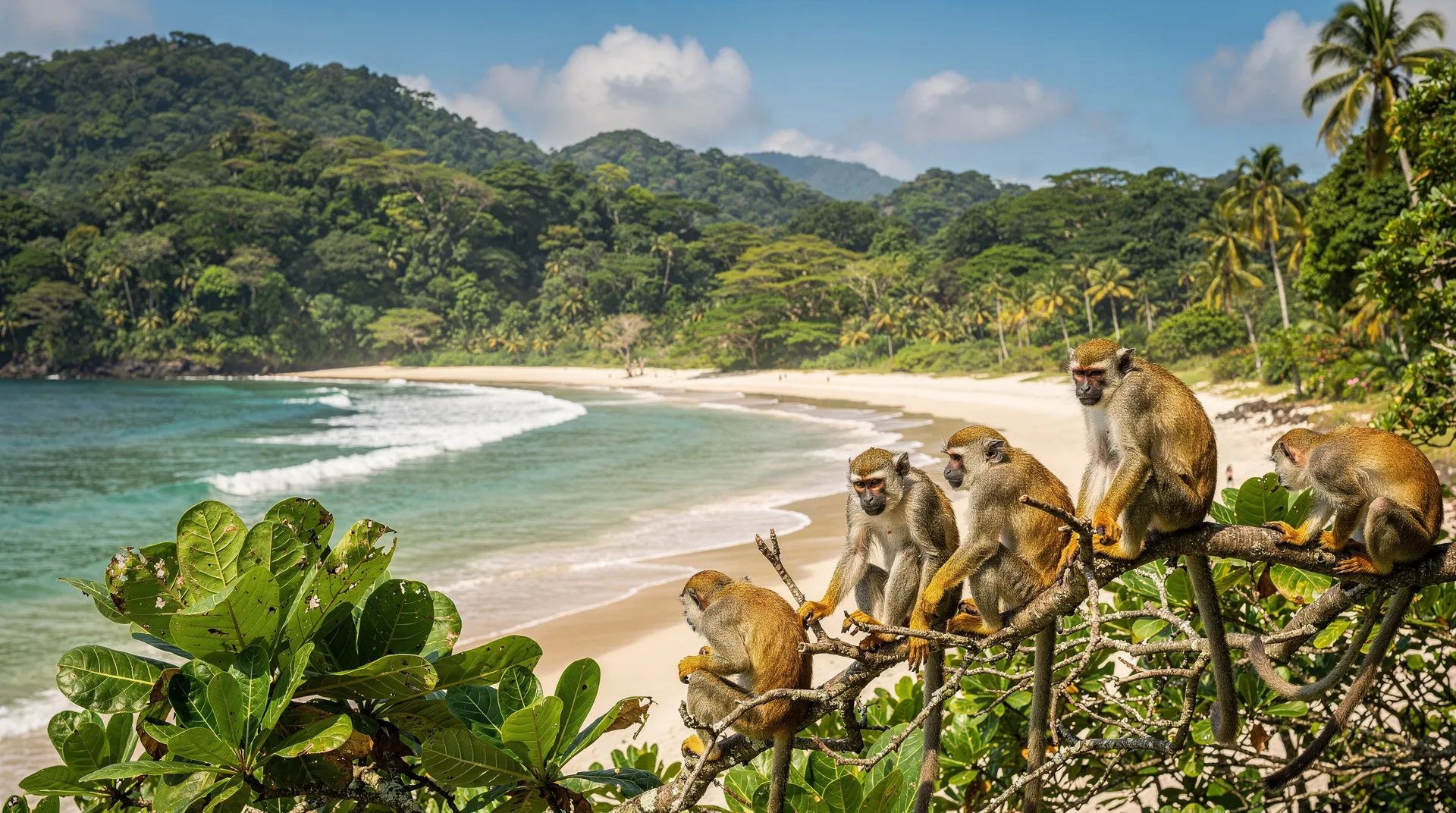
Manuel Antonio — Costa Rica's most visited park done right
Plan Manuel Antonio: guided park tours with sloths, catamaran cruises, mangrove kayaking, and ziplines. Honest tips on entry quotas and tourist traps.
Top experiences nearby
Manuel Antonio NP: guided tour with entrance fee included
Manuel Antonio Park: guided walking tour with a naturalist
Manuel Antonio: catamaran cruise to Biesanz Bay with lunch
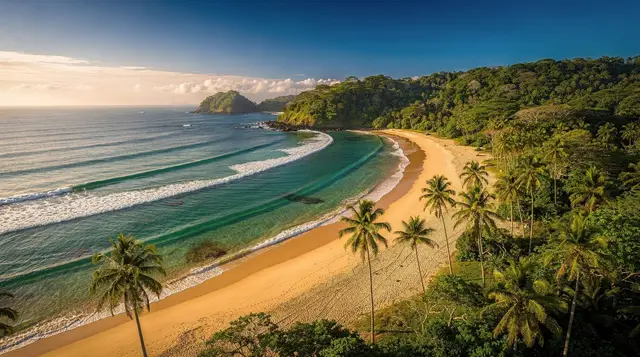
All-inclusive catamaran eco-adventure with lunch
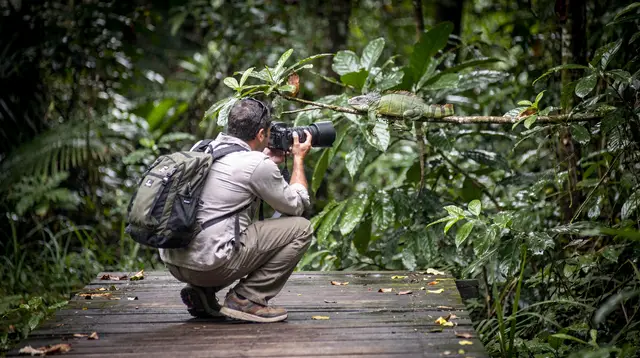
Manuel Antonio: kayak tour in the mangroves to see animals
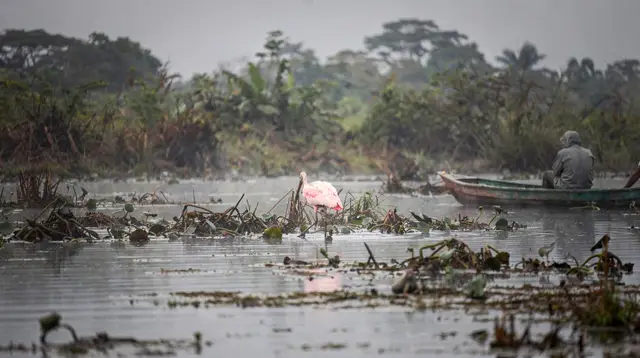
Manuel Antonio: Damas Island mangrove boat tour with lunch
Quick facts
- Best time to visit
- December to April (dry season); park closed every Tuesday
- Days needed
- 2 to 3 days
- Getting there
- 3 hours from San José by car or shuttle; Quepos town is the main hub
- Budget per day
- USD 80–110 budget · USD 140–220 mid-range · USD 400+ luxury lodge
Where wildlife meets white sand
Manuel Antonio National Park is Costa Rica’s smallest national park and its most visited — a 16-km² slice of primary forest running down to a series of pristine white-sand beaches on the Pacific coast of Puntarenas Province.
| Where | Puntarenas province, Central Pacific coast |
| Cost | $18 park entry; $80-110/day budget, $140-220 mid-range |
| Time needed | 2-3 days |
| Getting there | 3hrs from San José; Quepos is the service hub |
| Best time | December-April; park closed every Tuesday |
The area around the park — a 7-kilometre strip of road connecting Quepos town to the park entrance — is lined with hotels, restaurants, and tour operators at a density that has made it the most commercially developed stretch of Costa Rica’s Pacific coast. That density is a feature for visitors who want choice and services; it is a drawback for those seeking quiet. The park itself, however, is strictly managed: daily visitor quotas of approximately 800–1,200 people apply (the number varies by season and SINAC policy), and the park is closed every Tuesday.
If you want to see sloths in the wild reliably, Manuel Antonio is the most dependable place in Costa Rica to do it. The population of three-toed and two-toed sloths here is genuinely high, and a certified guide will find them every time.
For a wider comparison of places to look for them, our guide to where to see sloths in Costa Rica puts this park in context, and the full Manuel Antonio National Park guide goes deeper into the trails themselves. If you are still deciding between the Central Pacific and the remote south, Manuel Antonio vs Corcovado lays out the trade-offs plainly.
The national park: what you need to know
Entry fees and booking: Entry to Manuel Antonio National Park costs $18 for foreign adults (2026). Reservations via the SINAC online system are strongly recommended for weekends and dry season holidays — the park regularly hits its quota and turns people away at the gate. Book 2–3 weeks ahead for peak dates. The park is open Wednesday–Monday, 07:00–16:00.
The tourist trap to avoid: Multiple unofficial “guides” position themselves at the park entrance offering to take you inside for a fee. Some of these are legitimate certified naturalists; many are not. If you want a guide (and you should), book through a certified operator or your hotel in advance, not at the entrance gate. Entry to the park does not require paying a guide.
With a guide vs solo: You can walk the trails independently, but without a guide you will likely miss most of the wildlife. Three-toed sloths, camouflaged against cecropia tree branches at 20 metres, are invisible to the untrained eye. Guides find them reliably using radio communication networks between themselves. A 3-hour guided tour including park entry costs $55–$70.
Manuel Antonio NP guided tour — best for seeing sloths — from $60 — at $60 with entry included, this is the most straightforward option. Three hours inside the park with a naturalist covers two or three main trails and typically yields multiple wildlife encounters.
Manuel Antonio Park: guided walking tour with a naturalist — from $65 — a slightly longer format at $65 for 3.5 hours, good for serious wildlife enthusiasts who want to move slowly and learn more about what they are seeing.
The beaches inside the park
There are four named beaches within the park, each with different character:
Playa Manuel Antonio: The main beach, a 400-metre arc of white sand with calm, swimmable water behind a small headland. The most crowded beach in the park but for good reason — it is beautiful and safe for swimming. Lifeguards are present during peak hours.
Playa Espadilla Sur: A quieter beach just north of Manuel Antonio, slightly rougher surf. Good for a less crowded swim.
Playa Biesanz: A small hidden cove accessible via a trail, with excellent snorkeling conditions. Bring your own mask or rent from operators outside the park.
La Playita: The furthest beach, reached after 45 minutes of walking. Quietest and most private.
Note: swimming in the park’s rivers is not recommended — crocodiles have been documented near river mouths, and the SINAC rangers are clear about this.
Each beach has a slightly different personality worth matching to your priorities: Playa Manuel Antonio for classic photos and the most sociable atmosphere, Espadilla Sur for a calmer version of the same setting, Biesanz for snorkelling, and La Playita for anyone genuinely seeking quiet — the 45-minute walk deters the majority of day visitors, so the crowd thins dramatically by the time you arrive.
Catamaran cruises
One of the most enjoyable ways to see Manuel Antonio from the water is a morning or afternoon catamaran cruise departing from Quepos marina. These typically include a snorkeling stop at offshore rocks (where you may see white-tipped reef sharks, sea turtles, and abundant fish), dolphin watching, and a meal on board. The boats are proper sailing catamarans, not inflatable zodiacs — a comfortable experience even for families with young children.
Manuel Antonio catamaran cruise with a meal — from $110 — $110 for 4 hours from Quepos marina, including snorkeling equipment, a cooked meal on board, and drinks. Reliable and well-operated. Book at least 2 days ahead in high season.
Damas Island mangroves
The Damas Island mangrove system, accessible by boat from Quepos, is an underrated half-day experience. Tours navigate narrow mangrove channels where crocodiles, basilisk lizards, hermit crabs, herons, kingfishers, and occasionally river otters are seen. The ecosystem is entirely different from the national park — quieter, more intimate, and ecologically fascinating.
Damas Island mangrove boat tour with lunch — from $75 — $75 for 4 hours including a riverside lunch. A good second-day option after spending the morning in the national park.
Monkeys of Manuel Antonio: what you’ll actually see
Manuel Antonio is one of the few places in Costa Rica where you can reliably see both white-faced capuchin monkeys and the endangered Central American squirrel monkey (mono titi) in the same trip. Capuchins are bold and habituated to people — entertaining but also the source of most bag-snatching incidents, so keep food sealed and out of sight. Squirrel monkeys are shyer, travel in larger troops, and are most active in the early morning canopy; a guide who knows current troop locations dramatically improves your odds. Howler monkeys are also present but heard more often than seen, their guttural calls carrying well before dawn from the forest interior.
If the monkeys are what draw you, the monkey species of Costa Rica guide explains how to tell the four species apart, and the notes on wildlife watching ethics are worth reading before you go: never feed the animals, however bold the capuchins seem, and keep a respectful distance for photographs. For tips on getting good images without disturbing anything, see wildlife photography tips.
Zipline and other activities
The hillside terrain above the park accommodates several zipline operations. The most popular combines a canopy tour (8–12 cables through rainforest) with a butterfly garden visit — a good option for the afternoon after a morning in the park.
Manuel Antonio zipline canopy tour with butterfly garden — from $85 — $85 for 4 hours, including transport. The zip cables here are not as dramatic as Monteverde’s, but the forest setting is beautiful and the butterfly garden adds good value.
Where to eat around Manuel Antonio
La Cantina (road to the park): Excellent gallo pinto breakfasts and casados. Nothing above $12. The most reliable soda for the pre-park meal. Get there before 08:00 to beat the tour groups.
El Avión (Boca Vieja area): Housed inside a decommissioned 1954 Fairchild C-123 transport plane — the same type used in the Iran-Contra affair. The setting is genuinely unique; the seafood is genuinely good. Budget $30–$50 per person. Reservations essential at dinner.
Agua Azul (road to park): Excellent vantage point restaurant for sunset with a view over the cove. Good cocktails and seafood. $25–$40 per person.
Ronny’s Place: Long-standing institution with a wide menu, consistent quality, and views from the hillside. Popular with families.
Soda Sanchez (Quepos): The honest local option — rice, beans, fresh fish, and cold beer under $10. In Quepos town, not the hotel strip.
Where to stay
Luxury ($300+/night): Si Como No Resort, perched on the hillside above the park, has two pools, excellent wildlife sightings from the gardens (including ocelots at night), and consistently good service. La Mariposa Hotel offers stunning ocean views and an infinity pool. Arenas del Mar is a genuine sustainability-certified luxury hotel directly adjacent to the park — rooms have private terraces with forest and ocean views.
Mid-range ($100–$220/night): Hotel Makanda is a collection of villas and studios with excellent views, a peaceful atmosphere, and a good pool. Hotel Costa Verde has famous plane-suite rooms (a converted Boeing 727 and a 727 “fuselage room”) that work well for families and novelty-seekers.
Budget ($30–$70/night): Backpackers Manuel Antonio is the reliable hostel choice with clean dorms, good WiFi, and a social kitchen. Hotel Playa Espadilla is a simple mid-budget property just outside the park entrance with a good location.
Practical logistics: money, connectivity, and packing
Money: ATMs from BAC, Scotiabank, and BCR are common along the Quepos-to-park road and in Quepos town itself. USD is broadly accepted at hotels, restaurants, and tour desks; change comes back in colones. Cards are standard at mid-range and upscale spots; smaller sodas near Quepos prefer cash.
Connectivity: WiFi is generally strong given the density of hotels and resorts; Kölbi and Claro SIM cards are sold in Quepos for reliable mobile data.
Packing notes: Bring reef-safe sunscreen (some hotels and the park itself increasingly enforce this), water shoes for Playa Biesanz’s rockier entry, a dry bag for the catamaran or mangrove trips, and light, quick-dry clothing — humidity here is consistently high year-round, even in dry season.
Tourist traps to know about
Fake guides at the park entrance: As mentioned — don’t book guides from hawkers at the gate. Certified guides wear ICT-issued credentials and have verifiable names. Your hotel or a GYG-listed operator is safer.
Overpriced hotel transfers: Hotels along the park road often quote $25–$30 for the 7-km drive from Quepos. Shared shuttles from town to the park cost $5–$8 and run frequently. Taxis from Quepos charge ₡5,000–₡8,000 (roughly $10–$15).
“Free beach” parking: Parking near the park entrance is $5 per day. Several spots 500 metres back will offer parking for more — choose the official lot adjacent to the park entrance to minimise the walk.
Getting there
From San José, the drive takes 3 hours via the coastal highway (Route 34). The road is well-maintained and scenic through Carara National Park’s macaw zone. Shared shuttles from San José cost $55–$60 and run daily from the main hotels. Bus service from San José (Tracopa terminal) runs several times daily and takes 3.5–4 hours for $9–$12.
From Jacó, Manuel Antonio is 1.5 hours south. From Uvita, 1.5 hours north. The town of Quepos (7 km north of the park entrance) is the service hub — supermarkets, ATMs, pharmacies, and the marina.
Frequently asked questions about Manuel Antonio
Is Manuel Antonio worth it if it is so crowded?
Yes, for most visitors. The crowds are real — the road on weekends between December and March can feel very touristy — but inside the park the trails spread out and the wildlife remains authentic. The solution is to arrive at 07:00 when the park opens, do the main wildlife trail before 10:00, and have the beach to yourself by 14:00 when day-trippers start leaving. Book a guide who starts early.
Can I swim at Manuel Antonio beach?
Yes. Playa Manuel Antonio inside the park is one of the safest swimming beaches on Costa Rica’s Pacific coast — relatively calm thanks to the headland. Check with guards about current conditions. Outside the park, Playa Espadilla Norte (the public beach before the entrance) has stronger surf and riptides. Observe the flags and local advice.
How far in advance should I book park entry?
For weekends December–April, book 2–3 weeks ahead via the SINAC website (sinac.go.cr). For weekdays in shoulder season (May–November), same-week booking is usually fine. The park has a hard daily limit; arrivals without a reservation on busy days may be turned away.
How do I get from Manuel Antonio to Monteverde?
The most direct route is via Jacó and Puntarenas ferry to Paquera (1 hour 20 minutes on the ferry), then overland to Santa Elena — total about 5–6 hours. Alternatively, drive north to San José and then north-west to Monteverde — about 6 hours total. Shuttles exist but involve at least one transfer point.
How to fit Manuel Antonio into your itinerary
Manuel Antonio works as the Pacific finale of the most-travelled Costa Rica circuit: San José → La Fortuna → Monteverde → Manuel Antonio. Spend 2 nights minimum. Families travelling with children may prefer the 10-day family itinerary built around sloths and beaches, and anyone starting from the highlands can chain this stop after La Fortuna or Monteverde. See the 10-day Arenal, Monteverde, Manuel Antonio itinerary for a day-by-day breakdown. If you are building a southern Pacific circuit, combine Manuel Antonio with Uvita and Drake Bay for a less-trafficked alternative that shows a different face of Costa Rica.