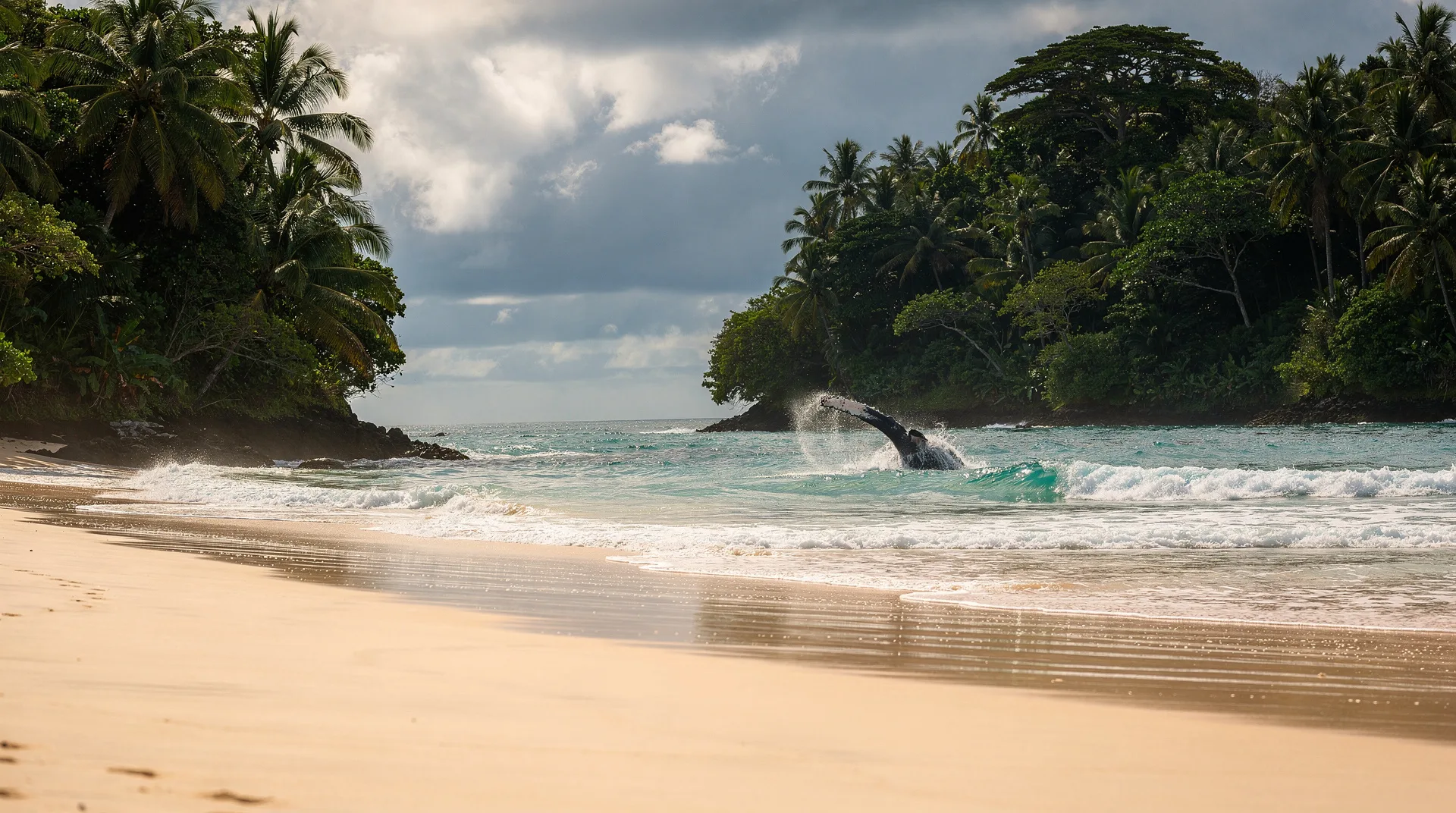
Drake Bay — the gateway to Corcovado and Costa Rica's wildest corner
Plan Drake Bay: Corcovado Sirena Station day trips, Caño Island snorkeling, dolphin and whale watching, bird watching, and how to reach this remote paradise.
Top experiences nearby
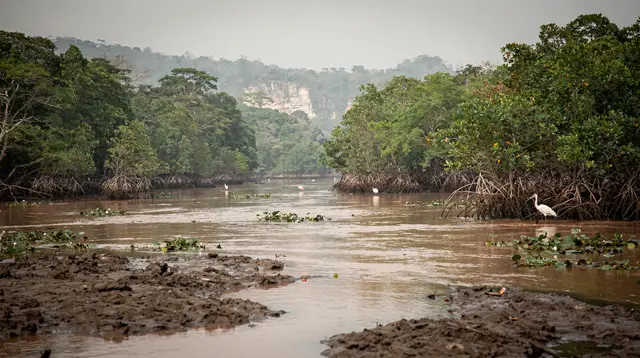
Drake Bay: Corcovado NP and Sirena Station tour
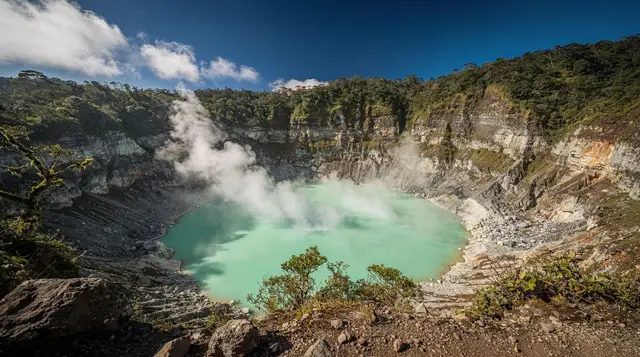
Corcovado NP Sirena Station and lunch
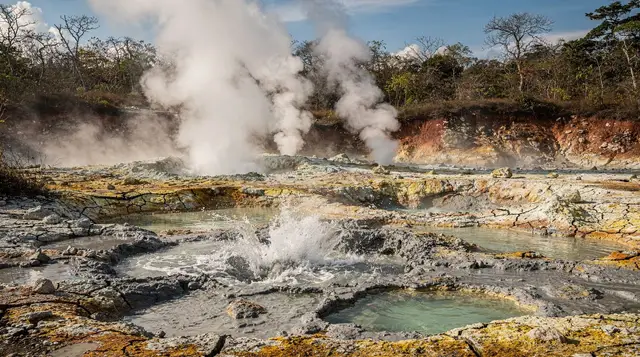
2 days 1 night in Corcovado Sirena from Drake Bay

Drake Bay: bird watching tour
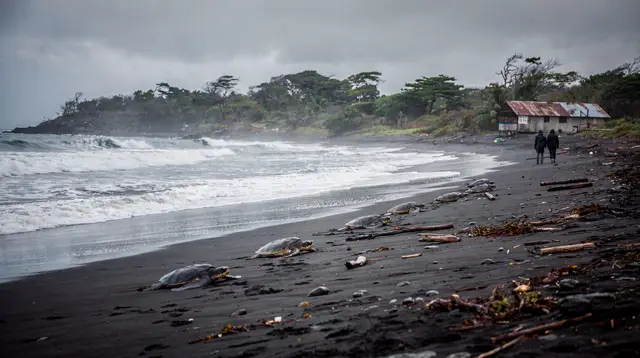
Drake Bay: dolphin and whale watching tour
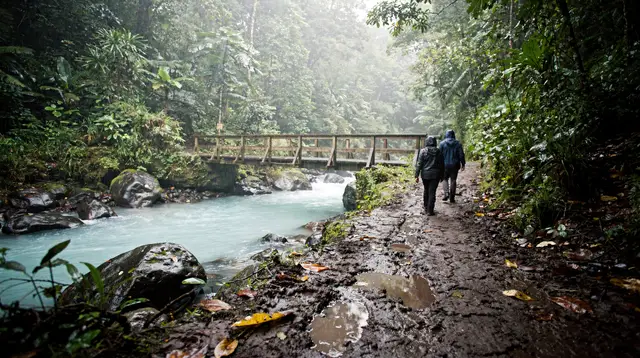
Corcovado: three days and two nights
Quick facts
- Best time to visit
- December to April (dry season); park may close Sept–Oct due to erosion
- Days needed
- 3 days minimum (2 nights + Corcovado day trip)
- Getting there
- 50-min flight from San José (Sansa); or 4 hours by car + 1 hour boat from Sierpe
- Budget per day
- USD 120–180 (most lodges include meals); USD 300+ for premium eco-lodges
Where the rainforest meets the Pacific at the edge of the world
Drake Bay (Bahía Drake) sits on the northern shore of the Osa Peninsula — one of the most remote and biologically diverse places on the planet. The National Geographic Society famously described the Osa Peninsula as one of the most biologically intense places on Earth. The statistics support the claim: the peninsula covers less than 0.001% of the Earth’s land surface but harbours 2.5% of its biodiversity.
The bay itself is named after Sir Francis Drake, who allegedly anchored here in 1579 during his circumnavigation. The village is a scattering of small lodges and a few basic homes on a hillside above a river mouth, accessible by small boat from the town of Sierpe on the Río Sierpe. There are no roads into Drake Bay from the north — the jungle and rivers make it impassable. The only practical approaches are: a small aircraft from San José (50 minutes, Sansa or Aerobell), or a 4-hour drive to Sierpe followed by a 1-hour motorised boat ride down the Río Sierpe and along the coast.
That remoteness is exactly the point. Drake Bay is the base for Corcovado National Park’s Sirena Station — the most rewarding access point for one of the last great wilderness parks in the Americas.
| Where | Northern Osa Peninsula, boat or flight only |
| Cost | USD 120-180/day most lodges; USD 300+ premium |
| Getting there | 50-min Sansa flight, or 4 hrs drive + 1 hr boat from Sierpe |
| Days needed | 3 days minimum (2 nights + Corcovado) |
| Best time | December to April |
Corcovado National Park: the Sirena Station
Corcovado National Park covers 41,788 hectares of primary rainforest, river ecosystems, wetlands, and coast. Sirena Station, on the Pacific coast of the park, sits at the convergence of four rivers and is the most wildlife-rich station in the park — possibly the most wildlife-rich accessible point in Central America.
A day trip from Drake Bay by boat (30–40 minutes) lands on the park beach at Sirena Station. Guided walks of 3–5 hours inside the park produce extraordinary wildlife: all four monkey species (howler, spider, capuchin, and squirrel), Baird’s tapir, giant anteater, peccaries, American crocodile, bull sharks in the river estuary, and — with luck — a puma or jaguar (recorded regularly at Sirena). The bird list here includes the harpy eagle, scarlet macaw, crested caracara, and 400+ other species. The Corcovado National Park guide covers the park’s full trail network and other entry points beyond Sirena.
Mandatory requirements for Corcovado: A certified guide is required by SINAC inside the park. Visitor numbers are limited. Reservations for Sirena Station must be made in advance through SINAC (sinac.go.cr). The park charges a $15 entry fee plus guide fees ($35–$55 per person for a certified guide, typically included in tour packages).
Drake Bay: Corcovado National Park and Sirena Station day tour — from $135 — $135 for 8 hours, including the boat transfer, certified guide, park entry, and lunch at Sirena Station. This is the standard format from Drake Bay and consistently delivers exceptional wildlife encounters. The guide network communicates via radio to locate tapirs and other large mammals — the wildlife here is reliably sighted in ways that surprise visitors used to other Costa Rica parks.
For travellers who want more than a single day in Corcovado:
2 days 1 night in Corcovado Sirena from Drake Bay — from $425 — $425 for the overnight stay at Sirena Station (dormitory-style accommodation, meals provided by the station), covering two half-days of guided walks inside the park. The overnight experience, with animals active at dawn and dusk, is dramatically better than the single-day format. Book 4–6 weeks ahead as Sirena’s overnight capacity is strictly limited.
Note: Sirena Station occasionally closes September–November due to erosion damage on the landing beach — verify SINAC current access status before booking in this window.
Caño Island snorkeling and diving
Caño Island Biological Reserve, 20 km offshore from Drake Bay, is among the top snorkeling and diving sites in Central America. The island sits in clear, deep Pacific water with no freshwater river dilution — visibility regularly exceeds 20 metres. Hammerhead and bull sharks, eagle rays, sea turtles, manta rays, and dolphins are all encountered. The coral gardens around the island are in better condition than most Caribbean reef systems.
Caño Island Biological Reserve snorkeling or diving — from $140 — $140 for 8 hours, departing Drake Bay by boat (20 minutes to the island), with multiple snorkeling stops and lunch on board. The most popular full-day excursion from Drake Bay and rightly so — the underwater diversity here is remarkable.
If you want to compare conditions, species and boat operators in more depth before choosing, the Caño Island snorkeling guide goes into the reserve itself, and the Costa Rica marine life guide helps you know what to look for once you are in the water.
For the shorter boat ride advantage from Drake Bay versus Uvita (which is 1.5 hours further):
The Caño Island experience is genuinely better from Drake Bay, where the 20-minute crossing means more time in the water and less time in transit.
Bird watching
Drake Bay and the Osa Peninsula are widely considered the finest bird-watching destination in Central America for serious listers. The forest here is primary growth, undisturbed at scale, and the endemic and range-restricted species list is extraordinary: Baird’s trogon, black-cheeked ant-tanager, fiery-billed aracari, yellow-billed cotinga, and — the holy grail — the harpy eagle, which nests in Corcovado. Serious listers planning a wider trip should also check the bird watching by region guide for how Drake Bay compares to Costa Rica’s other top birding zones.
Drake Bay bird watching tour — from $95 — $95 for 4 hours with a specialist guide, covering forest trails adjacent to Drake Bay village. The guide’s knowledge of call identification dramatically increases species count. Early morning departures (05:30) get the best activity. For serious birders, this is one of the most productive half-days available anywhere in Costa Rica.
Dolphin and whale watching
The Drake Bay coast is in the path of humpback whale migration routes (December–March and August–October) and hosts permanent populations of spinner, bottlenose, and spotted dolphins. Offshore boat tours regularly encounter large pods of dolphins; whale sightings are common in season.
Drake Bay dolphin and whale watching tour — from $120 — $120 for 5 hours, covering the coastal waters with an experienced marine mammal guide. Often combined with a Caño Island snorkeling stop. The combination of marine mammals and reef ecology in one day is one of Drake Bay’s strongest features.
Whatever you book, behave as a guest in the animals’ home: keep your distance, stay quiet on the trail, and follow your guide’s lead. The wildlife watching ethics guide explains the habits that keep sightings good for everyone, and the monkey species guide helps you tell the four Corcovado monkeys apart by sight and sound.
Drake Bay versus Puerto Jiménez: choosing your Corcovado base
Both towns serve as gateways to Corcovado, but the practical experience differs enough to matter when choosing where to base a trip. Drake Bay reaches the park by boat to Sirena Station, widely regarded as the single richest wildlife access point in the park — tapirs, giant anteaters, and all four monkey species are reliably sighted there. Puerto Jiménez, on the peninsula’s eastern side, accesses the La Leona and Los Patos trailheads on foot or by 4WD, which tend to be cheaper and more flexible for multi-day hiking through the park rather than a single-day boat-in, boat-out visit.
Drake Bay is more remote, has fewer road connections, and costs more overall; Puerto Jiménez has more budget accommodation and easier independent logistics for hikers who want to walk across the park rather than fly in for a day. Serious wildlife-focused travelers with the budget for it consistently choose Drake Bay for the Sirena experience; backpackers and independent hikers often prefer Puerto Jiménez.
Lodges and accommodation
Drake Bay’s accommodation is almost entirely lodge-based, with most properties offering all-inclusive packages (meals + guided activities) that justify the prices given the remoteness.
Premium eco-lodges ($300–$600/night, all-inclusive): Aguila de Osa Inn is the long-standing benchmark — exceptional guides, excellent food, beautiful waterfront location, and a dive centre. La Paloma Lodge is equally well-regarded for its rainforest hillside setting and wildlife sightings from the grounds (toucans at breakfast, monkeys in the garden). Casa Corcovado is adjacent to the park boundary and has the most direct wildlife access.
Mid-range ($150–$280/night, all-inclusive): Drake Bay Wilderness Camp is a reliable mid-range option with experienced naturalist guides and good packages. Jinetes de Osa is excellent for divers — a dive resort atmosphere with a full PADI operation.
Budget ($80–$120/night, meals included): Ceciliano Lodge is the most affordable lodge with basic but clean rooms and a friendly family atmosphere. Drake Divers has budget dorm options alongside the dive operation.
Getting there
By small aircraft (recommended): Sansa operates daily flights from San José to Drake Bay airstrip (50 minutes, ~$120 one way). The airstrip is basic — 4-person Cessnas on a grass strip — but the flight is reliable in good weather. Aerobell also operates this route. Luggage limits (12 kg per person) apply strictly. The Sansa and Aerobell flights guide explains how these small-plane routes work in general, so pack light and plan your bags around the weight limit.
By road and boat: Drive from San José to Palmar Norte (4 hours via the Interamericana), then north to Sierpe (20 minutes), then boat down the Río Sierpe to the coast and along to Drake Bay (1 hour). Total 5–6 hours from San José. The boat journey is genuinely spectacular — river dolphins, caimans, and scarlet macaws are common on the Río Sierpe. Most lodges organise this transfer if pre-arranged.
The road south from Uvita to the Drake Bay area via Puerto Jiménez is not recommended as a primary route — the road conditions are poor and the journey significantly longer than the Sierpe route.
Travelers coming from Uvita specifically should note that Sierpe, the boat departure point, is only about 1.5 hours south along the Costanera Sur, making a Uvita-to-Drake-Bay combination one of the more efficient southern Pacific routings — far more direct than looping around via Puerto Jiménez.
Budgeting a Drake Bay trip realistically
Drake Bay is one of the more expensive destinations in this guide, and it’s worth understanding why before booking. Nearly all accommodation is all-inclusive lodge pricing that bundles meals and often one or two guided activities into the nightly rate — there is no independent budget-hostel scene comparable to Puerto Viejo or Tamarindo.
A realistic 3-night trip for two people, mid-range lodge plus a Corcovado day tour and a Caño Island excursion, runs approximately $1,200-1,800 total including the flight from San José. Cutting costs means choosing a budget lodge like Ceciliano Lodge or Drake Divers and limiting activities to one major excursion rather than three, but the flight and boat transfers themselves have little price flexibility regardless of accommodation tier — remoteness has a fixed cost here that doesn’t shrink much with a tighter budget.
Because you will be far from town services, it is sensible to read the travel insurance guide before you go. And if you are still undecided between Costa Rica’s two best-known wildlife stops, the Manuel Antonio versus Corcovado comparison lays out the trade-offs honestly.
Seasonal notes
December–April (dry season): Best overall — Corcovado trails are dry and passable, Caño Island visibility is excellent, and the beach landing at Sirena is reliable. Humpback whale sightings (northern population, December–March).
May–July: Green season begins — heavier rain, lower prices, quieter lodges. Wildlife activity is excellent in forest (animals more active with rain). Caño Island visibility variable.
August–October: Heaviest rain month for the Osa. Southern humpback whale season (August–October) is excellent. Corcovado Sirena beach access can be restricted due to erosion — verify before booking. Accommodation prices at lowest.
November: Transition month — improving weather, Sirena access reopening. Quiet and relatively affordable.
Frequently asked questions about Drake Bay
Is Drake Bay better than Puerto Jiménez for Corcovado access?
Drake Bay accesses Corcovado via the Sirena Station (by boat from the bay), which is widely considered the most wildlife-rich entry point. Puerto Jiménez accesses the San Pedrillo, La Leona, or Los Planes trailheads — different sections of the park. Serious wildlife travellers choose Drake Bay for the Sirena Station experience. Both are legitimate bases; Drake Bay is more remote and generally more expensive.
Can I visit Corcovado independently without a guide?
No. As of 2014, all visitors to Corcovado National Park must be accompanied by a certified ICT guide. This rule is enforced at all entry points. It is not an optional upsell — it is a SINAC requirement. Budget the guide fee as part of your Corcovado cost.
How much advance notice do I need for Corcovado reservations?
For day visits to Sirena Station in dry season (December–April), book through your lodge 4–6 weeks ahead. Visitor numbers are capped daily. For overnight stays at Sirena, 6–8 weeks ahead is recommended; capacity is very limited. Outside peak season, 2 weeks is usually sufficient.
Is Drake Bay appropriate for children?
Yes, with realistic expectations. Children aged 8–12 who are comfortable with forest hiking and boat travel will have extraordinary experiences. The lodge format (meals included, activities built into the package) suits families well. Very young children (under 6) may find the Corcovado hiking challenging.
How remote is Drake Bay?
Very. There is no mobile coverage in the village itself (some lodges have satellite WiFi). The nearest town with a pharmacy and ATM is Palmar Norte (1 hour by boat and 40 minutes by car). Lodges handle most needs, but come prepared: bring cash (lodges accept credit cards but the fee is high), any prescription medications, and enough clothing for rain.
How to fit Drake Bay into your itinerary
Drake Bay works best as a dedicated 3-night eco-tourism detour. The most common framing: fly from San José to Drake Bay (50 min), spend 3 nights doing Corcovado and Caño Island, then fly back to San José and continue to another destination. Alternatively, combine with Uvita on a southern Pacific road trip — Uvita to Sierpe (1.5 hours) for the boat to Drake Bay. See the 7-day Osa Peninsula itinerary for a complete plan.