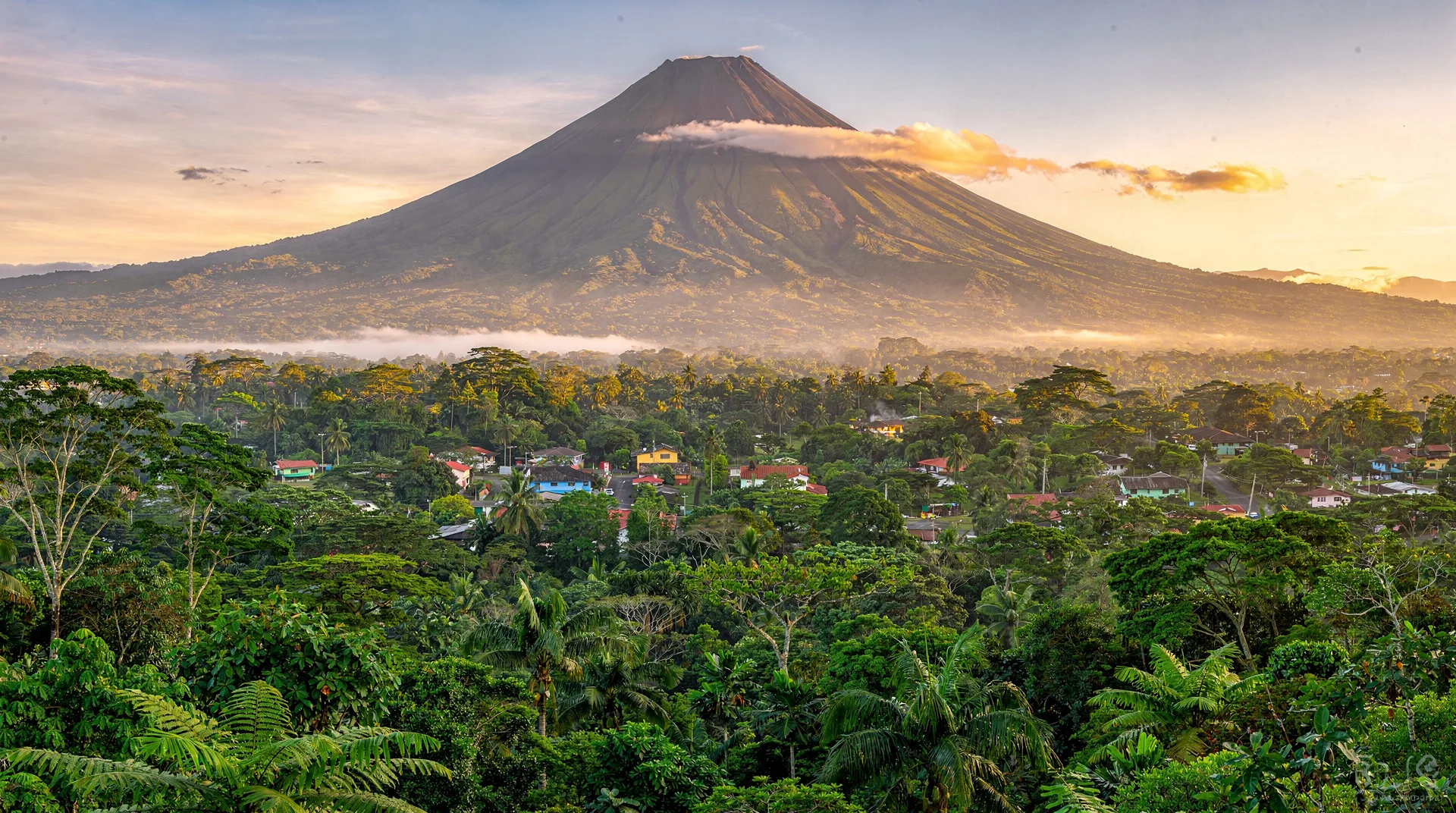
La Fortuna — the Arenal Volcano hub that earns its hype
Plan your La Fortuna trip: Arenal Volcano hikes, hot springs, hanging bridges, canyoning, and chocolate tours. Honest tips and real prices.
Top experiences nearby
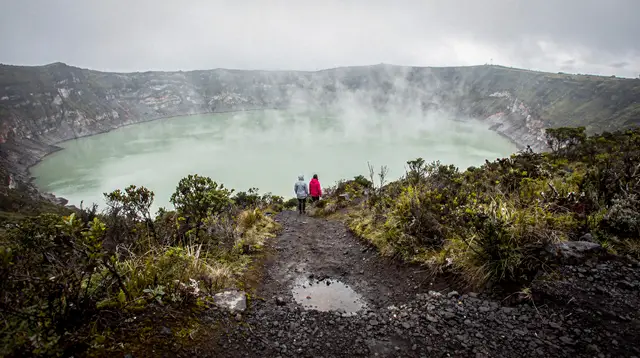
La Fortuna: waterfall, Arenal Volcano and hot springs tour
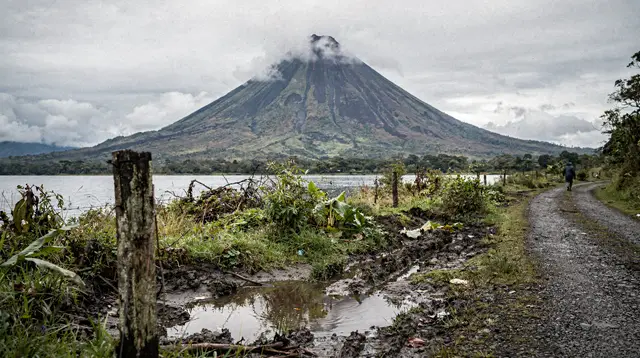
La Fortuna: Arenal Volcano, lunch & hot springs morning tour
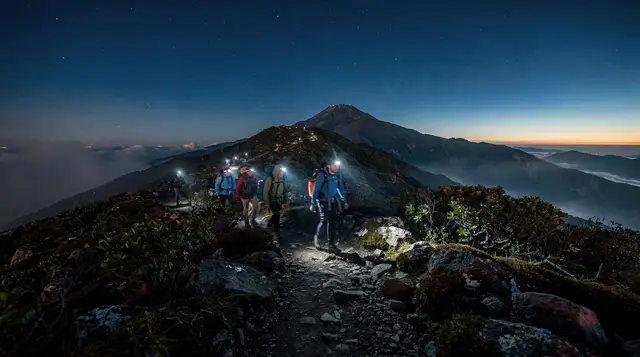
From La Fortuna: Arenal Volcano & hot springs afternoon tour
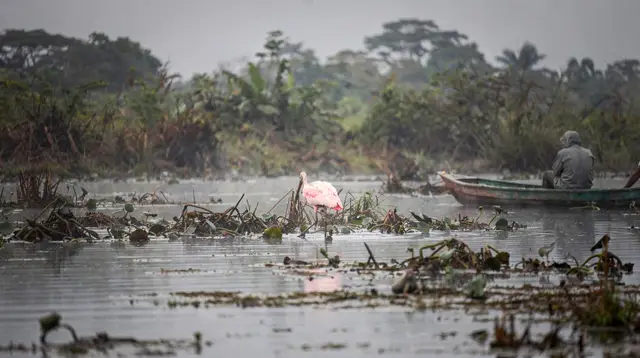
La Fortuna: Arenal Volcano rainforest night tour
From La Fortuna: Mistico Arenal hanging bridges park tour
Costa Rica: Mistico hanging bridges guided tour
Quick facts
- Best time to visit
- December to April (dry season); Feb–Mar for clearest volcano views
- Days needed
- 3 to 4 days
- Getting there
- 3 hours from San José by car or shuttle; 3 hours from Monteverde via lake crossing
- Budget per day
- USD 60–80 backpacker · USD 120–180 mid-range · USD 350+ eco-lodge
Volcano, water, and wildlife in one improbable package
La Fortuna de San Carlos sits in the shadow of Arenal Volcano in the north of Alajuela Province, surrounded by a landscape that packs an unusual amount of variety into a small space: a perfectly conical volcano (even if it no longer erupts), a large artificial lake, thermal rivers heated by geothermal activity, hanging bridge parks cutting through primary rainforest, and a town grid lined with restaurants, gear shops, and hostels that somehow never feels overwhelmed by the volume of tourists passing through.
| Where | Alajuela province, base of Arenal Volcano |
| Cost | Around $60-80/day backpacker; $120-180 mid-range |
| Time needed | 3-4 days |
| Getting there | 3hrs from San José by car/shuttle; 3hrs from Monteverde via lake crossing |
| Best time | December-April dry season; Feb-Mar clearest volcano views |
The town itself is functional rather than beautiful — a cluster of low buildings around a central park — but the surroundings do all the work. You come to La Fortuna for the experiences that happen a short drive from your hotel, not for the streetscape. In that sense it is one of Costa Rica’s most honest destinations: the setting is exceptional, the logistics are straightforward, and if you choose your activities carefully and avoid the overpriced tourist traps, the value per experience is genuinely good.
Arenal Volcano stopped its most recent eruptive phase in 2010 and is now classified as resting. The cone is still dramatic, still occasionally wrapped in cloud, and still the visual anchor of the region. You cannot climb it — access to the upper slopes has been closed since 2012 — but you do not need to. The hanging bridge parks, the waterfall, the hot springs, and the lake give you more than enough reason to stay three to four days.
If you want the volcano itself in more depth, the Arenal Volcano National Park guide covers the trails and the protected area, while how to see Arenal eruptions explains what the volcano can and cannot show you today. For the wider context of why this region behaves the way it does, understanding Costa Rica volcanic activity is a useful read, and Arenal versus Poás versus Irazú helps if you are deciding which volcano to prioritise.
The Arenal waterfall and hanging bridges
The La Fortuna Waterfall drops 75 metres into a jade-green pool that you can swim in — after descending roughly 500 steps from the entrance. The descent takes about 20 minutes; the climb back up closer to 30 and is genuinely steep. Entry to the waterfall site costs $18 per person (2026). Arrive before 9am to beat the tour groups and claim the best light. The water is cold and refreshing, and the site includes a small butterfly garden and a suspension bridge. Bring water shoes if you want to wade in the pool at the base.
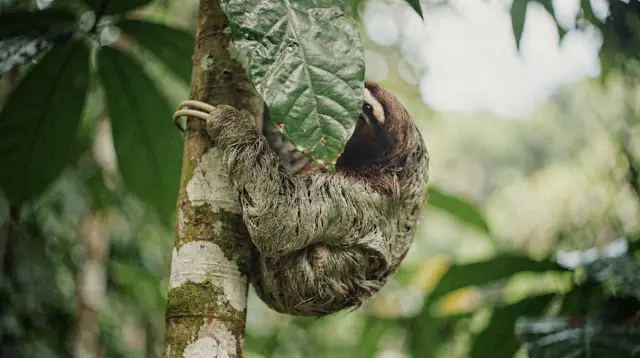
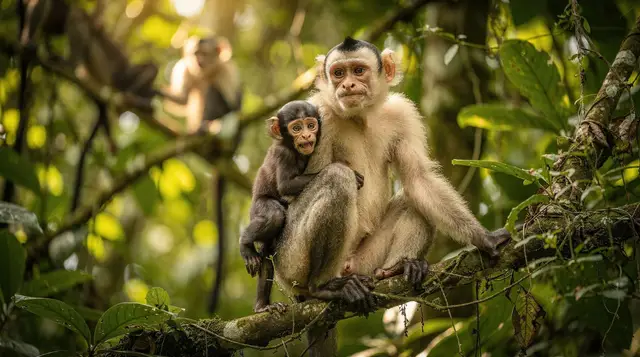
The hanging bridges parks are a different experience: flat or gently undulating walkways through the forest canopy, suspended high enough to be level with the treetops. Místico Arenal Hanging Bridges Park is the most accessible, sitting 17 km from La Fortuna toward the lake. The self-guided admission ticket lets you walk at your own pace along 3 km of trails with six hanging bridges and four solid bridges. A naturalist guide dramatically increases wildlife sightings — toucans, howler monkeys, frogs, and sloths are all common if you know where to look.
Místico Arenal hanging bridges admission ticket — from $26 — a straightforward self-guided option at $26 that gets you into the park at your own pace, ideal if you want the early-morning quiet before tours arrive.
For a full-day experience that combines the waterfall, a volcano hike through the national park’s lower trails, and a soak in thermal hot springs, book early — these multi-stop tours sell out in high season.
the Arenal Volcano, waterfall and hot springs full-day combo — from $95 — at around $95 this covers all three highlights with transport, guide, and lunch. One of the better-value packaged days in Costa Rica.
Hot springs: what is worth the price and what is not
Hot springs are La Fortuna’s most polarising topic. The thermal rivers here are geothermal in origin — genuinely volcanic water — but the range of options runs from free wild soaks to $150-per-head resort experiences.
Resort springs (Tabacón, Nayara Springs, Baldi): Tabacón is the benchmark — a beautiful series of graduated pools set in landscaped gardens along a thermal river, with a restaurant and bar included in the entry fee (around $80 for day access, higher with meals). Nayara Springs is a full luxury lodge with private thermal pools for guests only; if you are staying elsewhere, you cannot access it. Baldi Hot Springs is busier, louder, and more affordable at around $45, with a pool-park atmosphere rather than a rainforest feel.
Budget options: The Río Chollín thermal river, accessible from the road toward the lake, is free and entirely natural — but it has no infrastructure, no lifeguard, and the water temperature and quality vary after rain. It is fine with caution; just do not go alone at night.
The honest truth is that mid-range options like Eco Termales (around $40, adults only, limited capacity) or Springs Resort day passes offer a middle ground: enough landscaping to feel special, without the price of Tabacón or the noise of Baldi.
Whichever springs you pick, a few habits make the soak better: go late in the afternoon or in the evening when the day-trippers have left, rinse before and after, and keep valuables in a locker. For side-by-side comparisons, see Tabacón vs Baldi vs Eco Termales, the Arenal hot springs overview, the hot springs day pass guide, and the free hot springs around Arenal if you are watching your budget.
Canyoning and adventure
La Fortuna has arguably the best canyoning in Costa Rica. The combination of volcanic rock formations, active waterfalls, and rivers carved by centuries of runoff produces rappelling routes that are dramatic without being reckless. Most half-day canyoning experiences here involve descending four to six waterfalls — the tallest typically 55 to 70 metres — with professional guides, helmets, and harnesses. No prior experience is needed.
La Fortuna canyoning and waterfall rappelling — from $110 — the most popular format at $110, covering four waterfalls with full equipment. Roughly half a day and suitable for most fitness levels.
Beyond canyoning: white-water rafting on the Río Sarapiquí (Class III–IV, 3 hours from La Fortuna) is excellent for an adrenaline day without needing to be an expert. ATV tours through the farms and forest around the lake run half-day circuits for around $95 per quad. Zipline canopy tours are available but not La Fortuna’s strongest suit — Monteverde wins on zipline quality.
If you are torn between the three big adrenaline formats, zip-lining versus canyoning versus bridges lays out who each one suits, and the dedicated canyoning in Arenal guide goes deeper on routes and what to wear. Zipline fans can read the Arenal ziplines guide, and zip line safety and pricing is worth a look before you commit to any operator.
Chocolate, coffee, and the slower side of Arenal
Not every day needs to be physical. La Fortuna has several working cacao farms that offer 90-minute to 2-hour tours covering the full bean-to-bar process: picking the pods, fermenting, drying, roasting, and making chocolate from scratch. It is genuinely interesting and the tasting at the end is worth it. Prices run $28–$48 depending on the operator.
La Fortuna rainforest chocolate tour — from $30 — at $30 this is one of the better-value add-on experiences. Combine it with a morning at the hanging bridges for a relaxed day.
Rancho Margot, an off-grid organic farm on the far side of Lake Arenal, offers farm tours, horse rides, and accommodation for travellers who want to slow down significantly. The 30-minute drive from La Fortuna rewards with an entirely different, quieter atmosphere.
Coffee tours are a smaller-scale addition here compared to the Central Valley estates, but several small producers near La Fortuna combine a farm walk with a cupping session, giving a useful point of comparison if you have already done a larger coffee tour elsewhere in the country. Pairing coffee and chocolate on the same morning, before an afternoon activity, is a common and sensible way to structure a lower-intensity day in the itinerary.
Night wildlife and birding
La Fortuna’s lowland rainforest and lake-edge habitat make it good for wildlife beyond the daytime hanging-bridge sightings. Night walks along the forest edge near the national park entrance turn up red-eyed tree frogs, sleeping birds, tarantulas, and the occasional kinkajou moving through the canopy — a smaller-scale, less touristed version of Monteverde’s famous night walks. Guided evening tours around the volcano’s base also give a chance to see the cone silhouetted against the sky after dark, with the volcanic rock still radiating warmth from the day.
La Fortuna Arenal Volcano night tour — from $60 — a good add-on for a second or third evening once you have covered the main daytime activities, especially if clear skies are forecast.
Birders should note that the lowland forest around La Fortuna hosts different species from the highland cloud forest at Monteverde — keel-billed toucans, oropendolas, and a range of tanagers are common at feeders around several eco-lodges near the lake.
For more on the lodges and habitats behind these sightings, see the Costa Rica wildlife overview, the nocturnal wildlife guide, and wildlife watching ethics, which is worth reading before any night walk.
Day trips from La Fortuna
Río Celeste: The impossibly blue river in Tenorio Volcano National Park sits 2 hours from La Fortuna and is one of Costa Rica’s most striking natural sights. The colour comes from volcanic minerals combining with the water at a specific confluence point (Los Teñideros). A guided day tour from La Fortuna runs $95–$120; self-driving is possible but parking is limited. See the Tenorio and Río Celeste guide for the full planning picture.
Caño Negro Wildlife Refuge: A 2.5-hour drive to the Nicaraguan border, this wetland reserve hosts caimans, river otters, anhingas, and hundreds of bird species. Best in dry season (Dec–Apr) when the lagoon is full. Tours run $95 from La Fortuna.
Lake Arenal: The lake itself — Costa Rica’s largest — is worth a morning. Kitesurfers use the eastern end; the western shore around Nuevo Arenal is quieter, with a few good restaurants and guesthouses. The lake crossing water taxi (La Fortuna to Monteverde) takes about 3 hours total and is both faster and more scenic than driving around the lake.
Practical logistics: money, connectivity, and packing
Money: ATMs from BAC, Scotiabank, and BCR are plentiful along the main street. USD is widely accepted at hotels and tour desks, with change typically given in colones. Most restaurants and tour operators accept cards, but small sodas and market stalls are cash-preferred.
Connectivity: WiFi is reliable in the town centre and at most hotels, though signal thins out at remote eco-lodges on the far side of the lake — worth checking in advance if staying somewhere off-grid. Kölbi and Claro SIM cards are available from shops on the main street.
Packing notes: Even in dry season, bring a light rain layer for the waterfall and canyoning excursions, closed-toe water shoes for the hot springs and river crossings, and a reusable water bottle — many tours and hotels now offer refill stations rather than bottled water. Insect repellent matters more here than at higher-elevation Monteverde, given the lowland, lake-adjacent setting.
Before you go, the packing list for Costa Rica, money and currency, and eSIM and internet guides cover the practical details in more depth.
Where to stay in La Fortuna
Luxury (from $250/night): Nayara Springs is the gold standard — 35 private pool villas in the cloud forest with views of Arenal when the clouds clear. Tabacón Grand Spa Thermal Resort offers riverside rooms with direct access to the hot springs. Both sell out in high season; book 6–8 weeks ahead.
Mid-range ($80–$180/night): Hotel Arenal Kioro is a reliable choice with valley-view rooms and hot spring pools. Lomas del Volcán has spacious bungalows in gardens, quiet and well-run. Both are 10–15 minutes from town.
Budget ($25–$60/night): Selina La Fortuna is the obvious hostel choice — a good pool, reliable WiFi, social atmosphere. Arenal Hostel Resort is also popular, with dorm beds from $18 and private rooms with pool access.
Getting to and around La Fortuna
From San José, the drive via Ciudad Quesada takes about 3 hours on good roads — a rental car gives the most flexibility but is not essential if you plan to book activity tours (most include pickup). The shared shuttle from San José costs $55 and takes 4–4.5 hours with the stop. Direct bus service exists but is slow (4.5–5 hours).
From Monteverde, the fastest route is the lake crossing: a 30-minute bus to Río Chiquito, a 1-hour boat across Lake Arenal, then a shared transfer to La Fortuna — total about 3 hours and far faster than driving around the lake (4.5 hours).
Within La Fortuna, most attractions require either your own car or a tour with included transport. Taxis from town to the waterfall cost ₡5,000–₡8,000 (about $10–$15). Most reputable hotels will arrange transport to the hanging bridges and hot springs.
If you plan to drive, read driving in Costa Rica and rent a car or not first; shuttle services overview covers the alternative.
When to go
La Fortuna’s dry season runs December through April, when mornings frequently offer clear views of Arenal’s cone before afternoon clouds build. The green season (May–November) brings more frequent rain, lower prices (20–30% cheaper), and lush forest — but the volcano is often cloud-covered for days at a stretch. The hanging bridges and hot springs work in any season. The chocolate and coffee farm tours are year-round. If a clear volcano silhouette matters to you, aim for February–March.
Frequently asked questions about La Fortuna
Can you see Arenal Volcano erupting?
No. Arenal’s most recent eruptive phase ended in 2010 and the volcano has been in a resting state since. The last significant lava flows occurred between 1968 and 2010. The cone is still impressive, still steaming very occasionally at the summit, but there are no lava flows or explosive eruptions to see. If anyone is selling you a “lava tour,” be sceptical.
How long do I need in La Fortuna?
Three nights gives you enough time for the hanging bridges, the waterfall, a hot springs session, and one day trip (Río Celeste or rafting). Four nights is comfortable and lets you add canyoning or a boat trip on the lake without rushing. Two nights is doable but leaves you choosing between the main experiences.
Is La Fortuna worth it compared to Monteverde?
They are different experiences. La Fortuna offers more volume: more activities, more hot springs options, a bigger town, easier road access. Monteverde is smaller, quieter, and the cloud forest experience is more immersive. Most visitors to Costa Rica should do both — the lake crossing between them is one of the great travel moments in the country.
Are the free hot springs safe?
The wild thermal rivers in the area are generally safe during dry season and low water. After heavy rain, flash flooding is a real risk on some unmanaged thermal streams. The commercial hot springs (Tabacón, Baldi, Eco Termales) are supervised and chemically maintained. If you use free pools, go during daylight with someone who knows the area, and check local conditions.
What is the best hot springs for the price?
Eco Termales consistently offers the best balance: beautiful natural pools, limited tickets (keeping it uncrowded), adults only, and entry around $40. Tabacón is more spectacular and has the best landscaping but costs twice as much. Baldi is cheaper than both but feels more like a water park. El Silencio hot springs are a newer option on the far side of town, quiet and well-maintained at $35.
Is a rental car necessary for La Fortuna?
Not essential. Most of the main activities (hanging bridges, waterfall, hot springs, day trips to Río Celeste) run guided tours that include pickup from your hotel. The main disadvantage of not having a car is flexibility — you cannot spontaneously drive to the lake or stop at a roadside soda for lunch. For a short trip focused on booked activities, shuttles and taxis work fine.
How to fit La Fortuna into your itinerary
La Fortuna anchors the north of every classic Costa Rica circuit. The 10-day Arenal, Monteverde, and Manuel Antonio itinerary is the most popular framework in the country, and La Fortuna is its natural starting point: fly into San José, head north to La Fortuna for 3 nights, cross the lake to Monteverde for 2 nights, then make your way south to Manuel Antonio. If you are coming from Liberia airport, reverse the direction — La Fortuna is 3 hours from LIR and makes an equally strong entry point for a Guanacaste-first itinerary.