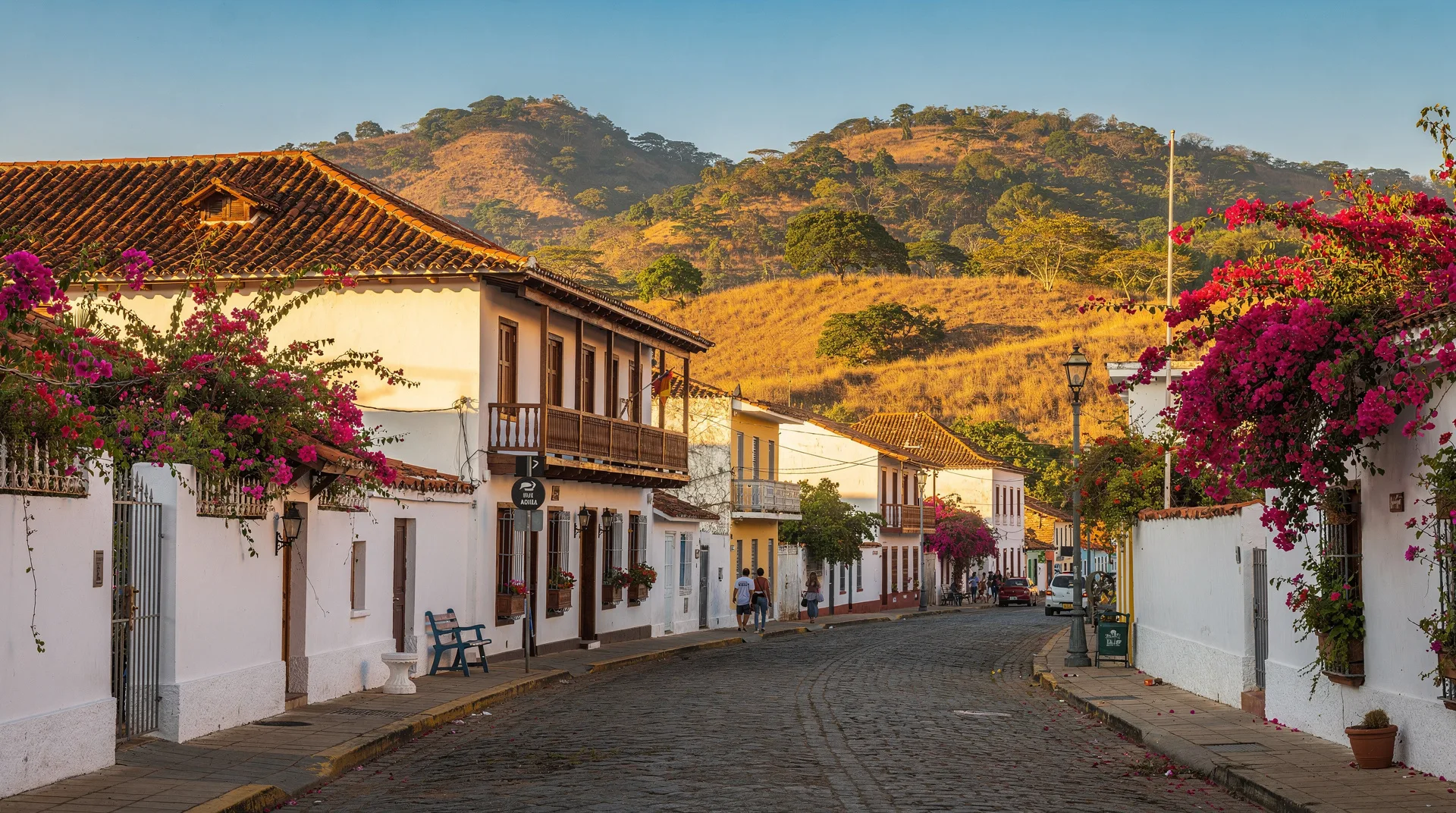
Liberia — Guanacaste's gateway city and the door to Rincón de la Vieja
Liberia Costa Rica: LIR airport gateway, Rincón de la Vieja day trips, sloth sanctuary, volcanic spa, and Guanacaste beach access. Honest tips 2026.
Top experiences nearby

Liberia airport to Tamarindo (transfer)
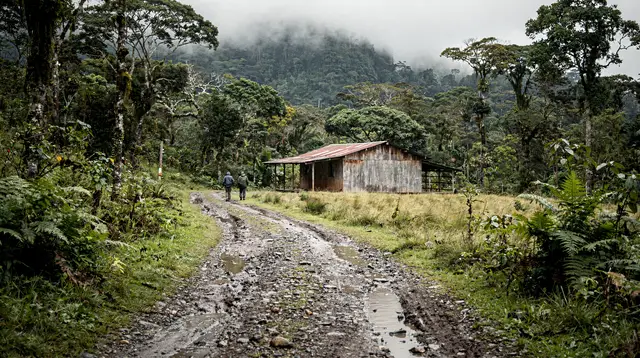
Costa Rica: guided hike in Monteverde Cloud Forest reserve

Guanacaste: sloth sanctuary and waterfall adventure
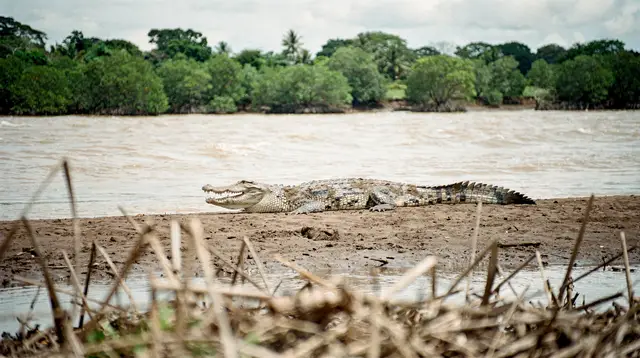
From Guanacaste: Rio Celeste, sloth sanctuary & waterfall
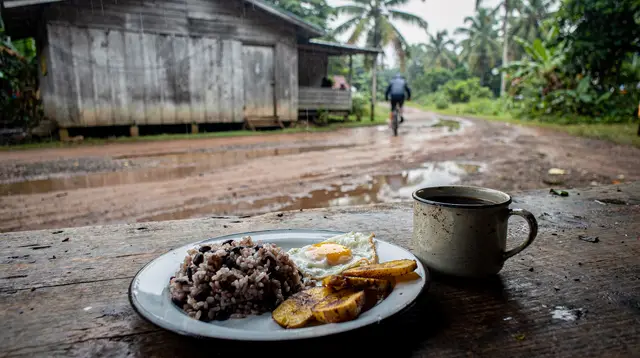
Diamante Eco Adventure Park: Costa Rican cultural experience

Diamante Eco Adventure Park: wildlife sanctuary pass
Quick facts
- Best time to visit
- November to April (Guanacaste dry season)
- Days needed
- 1 day (as gateway); 2–3 days if visiting Rincón de la Vieja
- Getting there
- Daniel Oduber Quirós International Airport (LIR) — direct flights from USA/Canada
- Budget per day
- USD 60–90 budget · USD 120–180 mid-range
The Guanacaste gateway most visitors pass through too quickly
Liberia is the capital of Guanacaste Province and the home of the Daniel Oduber Quirós International Airport (LIR) — the entry point for most visitors doing a Guanacaste-focused trip from North America and Europe. It has a reputation primarily as a transit city, which is fair but underestimates what a 1- or 2-night stop here can offer: a charming colonial centre (the Barrio El Coco whitewashed quarter is among the best-preserved in Central America), direct access to Rincón de la Vieja National Park, and a local food and market culture that the beach towns largely lack.
| Where | Guanacaste province capital, home of LIR airport |
| Cost | Around USD 60-90/day budget; USD 120-180 mid-range |
| Time needed | 1 day gateway; 2-3 days with Rincón de la Vieja |
| Getting there | LIR — direct flights from USA/Canada |
| Best time | November-April (dry season) |
The city sits at 165 metres elevation in the Guanacaste plain — hotter and drier than the coast (35–38°C in dry season), with the Guanacaste mountain range rising immediately to the east. That range contains Rincón de la Vieja, an active volcano with boiling mud pools, steam vents, a hot river, and one of the country’s best adventure tourism operations. The 25-km drive from Liberia to the park takes 35–45 minutes on a partly unpaved road — a 4WD is recommended for the final section.
Most visitors rent a car at LIR and drive straight to Tamarindo (1 hour), Nosara (2.5 hours), or Playas del Coco (45 minutes). Those who spend a night in Liberia and add a Rincón day trip typically consider it one of the unexpected highlights of their trip.
Rincón de la Vieja National Park
Rincón de la Vieja is one of Costa Rica’s most active volcanoes, with the last significant eruption occurring in 2011 and minor activity ongoing. The park offers two main trail systems: Las Pailas (the easier circuit, 4.5 km, covering the boiling mud pools, blue lake, fumaroles, and a cold waterfall) and the summit trail (a full-day 16-km round trip to 1,895 m — serious hiking requiring good fitness and ideally a guide).
Las Pailas loop is the standard visitor experience: a 2–3 hour walk on good trail through dry transitional forest, where howler monkeys, coatis, white-tailed deer, and armadillos are regularly seen. The volcanic features — hissing fumaroles, paint-pot mud pools bubbling at 80°C, and patches of ground steaming through the grass — are genuinely dramatic.
The park is open Wednesday–Monday, 08:00–15:00. Entry costs $17. The park closes during heavy rain and on Mondays. Access road conditions after the paved section depend on recent rainfall — a 4WD is useful, and rental companies generally permit their vehicles on this route.
Rincón de la Vieja one-day nature pass — from $110 — $110 for 8 hours with transport from Liberia hotels included. Covers Las Pailas trail, the volcanic features, and typically a hot springs soak. Well-organized and the most practical option for visitors without a rental car.
For a full adventure day with multiple activities (tubing, zipline, hot springs, and horseback in one package):
Guanacaste 5-in-1 Rincón de la Vieja adventure day pass — from $120 — $120 for 8 hours at the Hacienda Guachipelín, the adventure ranch adjacent to the national park. This format is genuinely good value if you want an activity-packed day without organising each component separately.
The volcanic thermal spa
Several private properties adjacent to the national park operate natural hot springs using the volcano’s geothermal water. Unlike the commercial hot springs at La Fortuna, these operate at smaller scale and feel less resort-like — more natural hot river channels than tiled pool complexes.
Rincón de la Vieja NP natural volcanic spa — from $85 — $85 for 5 hours, combining Las Pailas trail with access to the geothermal pools. One of the best budget-appropriate hot springs experiences in Costa Rica.
Sloth and wildlife sanctuary
Guanacaste has its own wildlife sanctuary operation that combines sloth encounters with a guided waterfall hike — a different experience from the Monteverde butterfly gardens and well-suited to families visiting the Liberia area.
Guanacaste sloth sanctuary and waterfall adventure — from $120 — $120 for 7 hours, covering a guided visit to a wildlife rescue centre (with sloths, parrots, monkeys, and coatis), followed by a hike to a local waterfall. Good for families who want guaranteed wildlife encounters without the national park hiking.
Liberia’s colonial centre
The Barrio El Coco neighbourhood (also called the Casco Histórico) around the central park preserves one of the best whitewashed colonial architectural ensembles in Central America — a grid of single-storey houses with blue-trimmed doors, heavy wooden shutters, and interior courtyards. The local nickname for Liberia is “La Ciudad Blanca” (The White City).
The Iglesia de la Inmaculada Concepción on the main square is worth a look inside. The Museo de Guanacaste on the park’s north side has reasonable exhibitions on regional indigenous culture and the cattle ranching history that shaped this province. Entry $1.
The central market (Mercado Municipal) behind the Municipalidad building is authentic and unhurried — a good contrast with the tourist-facing operations in beach towns. Fresh tropical fruits, local cheeses (Guanacaste produces good dry queso palmito), and simple sodas.
Palo Verde and further-afield birding
For travelers with an extra day and a genuine interest in wildlife, Palo Verde National Park — about an hour southwest of Liberia in the Tempisque River lowlands — is one of Costa Rica’s best wetland birding destinations. Seasonal lagoons attract enormous concentrations of herons, storks, ibises, and migratory waterbirds, peaking December through March as the dry season shrinks the water and concentrates the birds. It receives a fraction of Rincón de la Vieja’s visitor numbers, making it a genuinely quiet alternative for serious birders passing through the Liberia area. See the Palo Verde National Park guide for access details.
Reading the weather before you commit
Liberia sits in the driest corner of the country, so the season you travel in shapes the whole plan. The best time to visit Costa Rica guide explains the broader pattern, and the Guanacaste beach guide shows how the coast behaves once you leave the city. In the dry months the plain is parched and golden, mornings are the comfortable window for the volcano, and afternoons suit a pool or a slow lunch. In the green months the landscape turns lush, but afternoon rain can reshape a hiking day, so start early and keep the afternoon flexible. If you are comparing volcanoes, Arenal vs Rincón de la Vieja lays out the trade-offs, and Rincón de la Vieja’s thermal spas cover the soaking side in more depth.
Pairing Liberia with other stops
Liberia works as a hinge between regions as much as an entry point. Travellers who want rainforest after the dry plain often continue to La Fortuna, while those drawn to cloud forest look at Monteverde, which a guided option such as a day trip to the cloud forest from Guanacaste — from $110 makes possible without changing your base. Beach-minded visitors can look at Playas del Coco or the wider Guanacaste province page to pick a coast that suits their pace. Whichever direction you choose, the airport-to-hotel legs are covered in the airport transfers guide, and the rent a car or not guide helps you decide whether the freedom of your own vehicle is worth it for a short stay.
A relaxed first evening
If you land in the afternoon, resist the urge to push on. Drop your bags, walk the central park as the heat eases, and let the town show its everyday rhythm: families on benches, vendors setting up, the whitewashed streets turning softer in the evening light. Dinner at a local spot sets a very different tone from a beach resort, and an early night makes the volcano morning easier. It is a small investment that tends to make the first day of a trip feel like an arrival rather than a transfer.
Where to eat
Hotel Liberia Restaurant: Surprisingly good for a hotel restaurant — fresh seafood, local beef (Guanacaste cattle are renowned), and good rice dishes. Budget $15–$25 per person.
El Bramadero: A large rancho-style restaurant on the Interamerican Highway south of the city, famous for its grilled Guanacaste beef. Busy at weekends with local families — a sign it is the real thing. $20–$35 per person.
Restaurante Las Tinajas (downtown): Traditional casados and fresh juices in a no-nonsense setting. Under $10. Good for lunch before heading to the national park.
Where to stay
Mid-range ($80–$150/night): Best Western Las Espuelas is the reliable airport-adjacent choice — pool, restaurant, good staff. Hotel Boyeros is a local classic, slightly tired but centrally located and good value. Hacienda Guachipelín (adjacent to the national park, 25 km from Liberia) is the best option if you want to be on-site for Rincón activities.
Budget ($30–$60/night): Hostel Liberia is clean and centrally located with dorms and private rooms. It is minimal but honest. Many budget visitors prefer to base themselves at Playas del Coco (45 min), which has better beach hostel options.
Getting around from Liberia
The airport is 12 km west of central Liberia, just off the Interamerican Highway. Most car rental companies have airport desks. Without a car, shared shuttles to Tamarindo ($45/person) and Playas del Coco ($30/person) depart several times daily from the airport zone. The local bus terminal (Terminal Liberia) on the central market connects to most Guanacaste towns for $2–$8.
Liberia airport to Tamarindo private transfer — from $80 — $80 for two people, the most convenient option for arrivals without a pre-arranged rental car. Book in advance for peak season (December–March) arrivals.
Getting your bearings on the road
Roads around Liberia are straightforward, but conditions change from one stretch to the next. The driving in Costa Rica guide and the road conditions by region page are worth a read before you collect a rental car, especially if the park road is on your list. If you prefer not to drive at all, the shuttle services overview explains how shared and private transfers work.
Connectivity and packing
WiFi is reliable in Liberia’s hotels and cafés, and Kölbi and Claro SIM cards are readily available from shops near the central park — worth picking up here if you are heading onward to more rural parts of Guanacaste with patchier signal. Pack layers if Rincón de la Vieja is on the itinerary: the plain around Liberia is brutally hot, but the park’s higher elevation and frequent mist bring a noticeable temperature drop that catches people out in shorts and a tank top.
Practical information
Currency: The Liberia ATMs (BAC, Scotiabank) are reliable for foreign cards. USD is widely accepted in hotel and tour contexts. The colón is used at sodas and markets.
Safety: Liberia is one of Costa Rica’s safer provincial capitals. The central park and commercial zone are active until 21:00. Standard precautions (not displaying valuables, using taxis at night) apply.
Temperature: Guanacaste plain temperatures in the dry season regularly hit 38°C by midday. The national park sits at 1,400 m and is noticeably cooler — bring a light layer for morning visits.
Frequently asked questions about Liberia
Should I fly into Liberia or San José?
Fly into Liberia (LIR) if your trip is primarily Guanacaste-focused: Tamarindo, Nosara, Playas del Coco, Rincón de la Vieja, and Monteverde (3.5 hours from LIR). Fly into San José (SJO) if you are doing a multi-region circuit including the Caribbean, Manuel Antonio, La Fortuna, or a national park tour of the south. For many North American visitors on 7-10 day trips, LIR into Guanacaste and SJO out (or vice versa) on an open-jaw ticket is the most logical approach.
Do I need a 4WD to visit Rincón de la Vieja?
Recommended but not always essential. The main access road to Hacienda Guachipelín is partially unpaved; in dry season a regular saloon car can manage with care. After heavy rain in green season (May–November), a 4WD is genuinely useful. Most tour operators include transport from Liberia hotels in their day-pass prices.
Is Liberia worth staying in or should I go straight to the beach?
Worth one night, especially if you arrive in the afternoon. The colonial centre, a dinner at a local restaurant, and an early start to Rincón the next morning makes for an excellent 24 hours. The beach towns are all 1–2.5 hours away and easily reached the following day.
How to fit Liberia into your itinerary
Liberia is typically day one of a Guanacaste circuit. Arrive at LIR, pick up your rental car, drive to a Liberia hotel for the night, do the Rincón de la Vieja day trip the next morning, then head to Tamarindo (1 hour) or Nosara (2.5 hours) as your beach base. See the 7-day Guanacaste beaches itinerary for a complete circuit that uses Liberia as the entry and exit point.