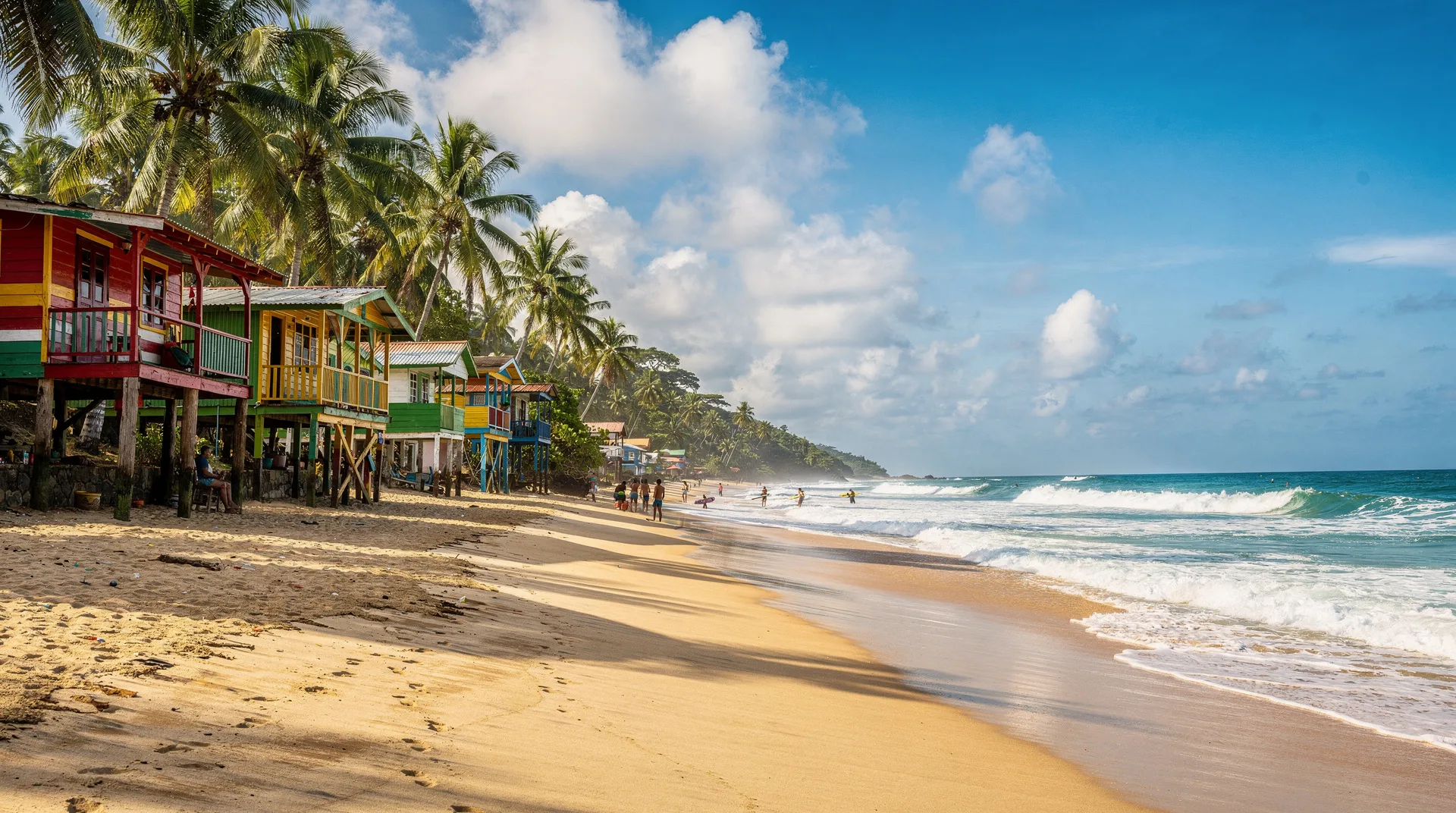
Puerto Viejo — Caribbean culture, reggae rhythms, and reef snorkeling
Plan Puerto Viejo: Cahuita reef snorkeling, canopy ziplines, night wildlife tours, sloth sanctuary, Caribbean food, and how to get to Talamanca coast.
Top experiences nearby
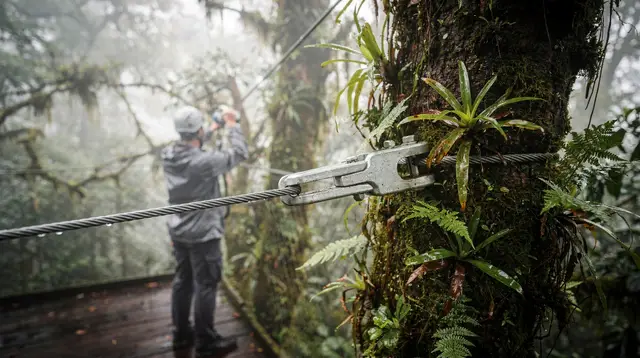
Puerto Viejo Limón: best canopy tour / ziplines
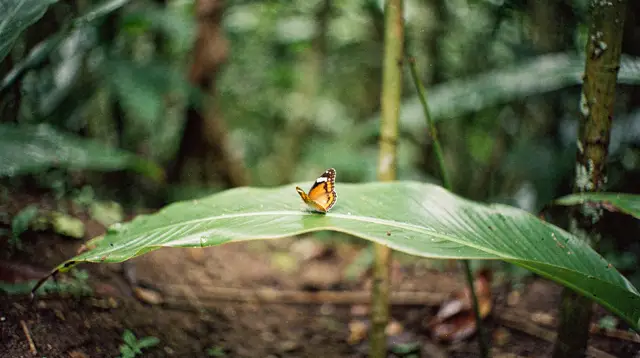
Puerto Viejo: nature & wildlife night tour in tropical forest
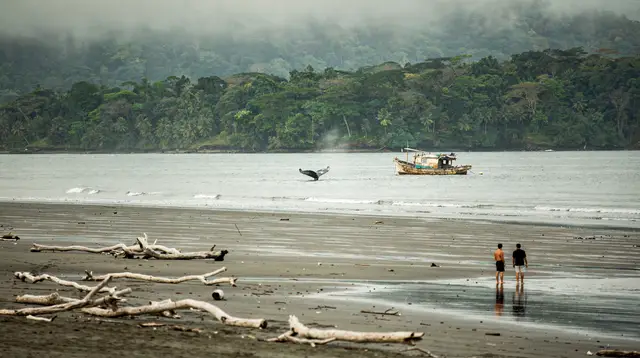
Cahuita National Park & snorkeling private tour
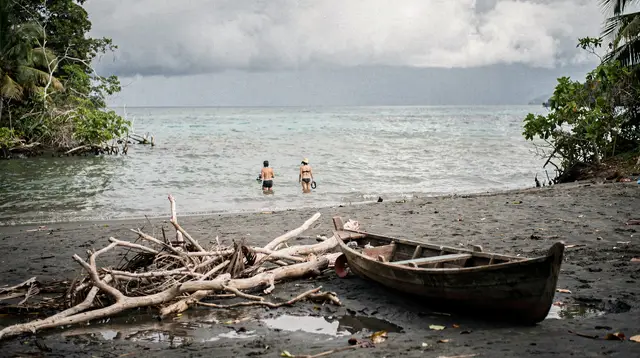
Snorkel in Cahuita National Park: explore the reef
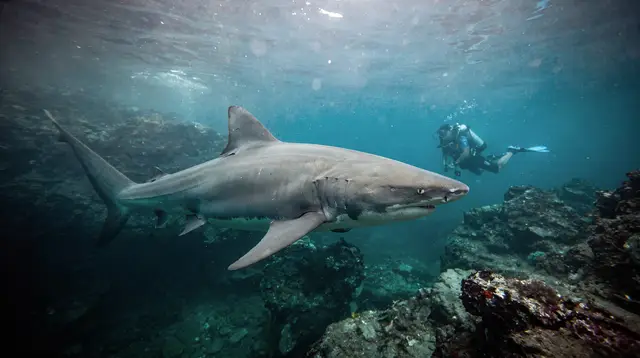
Cahuita National Park: snorkel
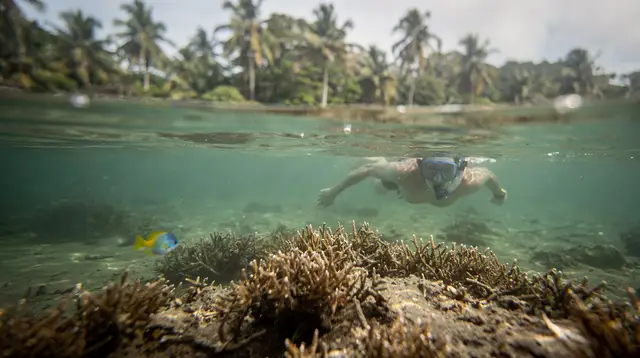
Cahuita NP: snorkeling & wildlife hike (certified guide)
Quick facts
- Best time to visit
- September to October (Caribbean dry season); March–April also good
- Days needed
- 3 to 4 days
- Getting there
- 4 to 5 hours from San José by bus or shuttle; 30 minutes from Cahuita
- Budget per day
- USD 50–75 budget · USD 100–160 mid-range · USD 250+ eco-lodge
The other side of Costa Rica
Puerto Viejo de Talamanca is the kind of place that people arrive intending to stay three days and leave three weeks later. The Afro-Caribbean culture here — descended from Jamaican workers brought to build the Atlantic railroad in the 1890s — gives it a character that is fundamentally different from the Pacific coast towns that dominate most Costa Rica itineraries. The cooking is different (rice and beans cooked in coconut milk, not gallo pinto). The music is different (reggae, dancehall, and calypso rather than marimba). The landscape is different: a flat coastal strip of dense palm groves and Caribbean beach, with the Talamanca Mountains rising sharply inland.
The town itself is a manageable grid of dirt roads and wooden houses, with a central park, a cluster of bars and restaurants on the main street, and a relaxed pace that suits walking and cycling rather than driving. The beaches south of town — Playa Cocles, Playa Chiquita, Manzanillo — are some of the most beautiful on the entire Caribbean coast of Central America, and Cahuita National Park (30 minutes north, adjacent to the village of Cahuita) contains the largest living coral reef in Costa Rica.
Puerto Viejo is not without rough edges. The main street on a Friday night is lively in ways that suit some travellers and not others. The road south of town has seen some motorcycle accidents. But for travellers who want an authentic Caribbean experience — not a manicured resort version — it remains one of Costa Rica’s most compelling destinations.
Cahuita reef snorkeling
The coral reef in Cahuita National Park, 30 minutes north of Puerto Viejo, is the most accessible reef diving and snorkeling site on Costa Rica’s Caribbean coast. The reef system stretches 600 hectares and shelters 35 coral species, 123 fish species, and abundant invertebrates. After coral bleaching events in the 1990s and 2010s, portions of the reef recovered better than expected and the snorkeling quality in the protected coves near Puerto Vargas station is now genuinely good.
Cahuita National Park and snorkeling private tour — from $135 — $135 for 5 hours from Puerto Viejo, covering a guided snorkel on the reef plus a walk through the park’s coastal forest. Private format means flexible timing and more wildlife sighting time. Excellent for couples or small groups who want a thorough experience.
snorkeling in Cahuita National Park: explore the reef — from $60 — $60 for 3 hours, the standard group snorkeling format. Equipment included. Departs from the Cahuita village dock. Good value if you simply want the reef experience without the walking component.
For a combined snorkeling and wildlife hike with lunch:
Cahuita sloth and wildlife sanctuary half-day tour — from $65 — $65 for 4 hours, visiting the Sloth Sanctuary of Costa Rica north of Cahuita. The sanctuary rescues and rehabilitates sloths and also holds other wildlife species. A strong family option and complements the reef snorkeling well as a full-day pair.
Caribbean vs Pacific: is Puerto Viejo worth the detour
Most first-time Costa Rica visitors default to the Pacific coast, and Puerto Viejo requires deliberately routing off that path. Here’s the honest comparison:
| Puerto Viejo (Caribbean) | Typical Pacific beach town | |
|---|---|---|
| Culture | Afro-Caribbean, reggae, coconut cooking | Tico/international resort blend |
| Travel time from SJO | 4–4.5 hrs | 1.5–6 hrs depending on destination |
| Reef snorkeling | Cahuita reef (largest in CR) | Catalinas, Caño Island (better overall) |
| Development | Low-rise, backpacker-friendly | Ranges from low-key to resort-heavy |
| Rainfall pattern | Wetter overall, drier Sep–Oct/Mar–Apr | Classic Dec–Apr dry season |
Our Caribbean vs Pacific beaches guide and Caribbean vs Pacific coast trip guide go deeper into which coast suits which kind of traveller — the short version is that Puerto Viejo rewards travellers who want cultural contrast, not just another beach.
Canopy and ziplines
The secondary forest behind Puerto Viejo supports several zipline operations. The most established — a 12-cable circuit through coastal lowland forest — gives views over the Caribbean and into the palm groves. It is not Monteverde’s league in terms of forest drama, but it is accessible, well-maintained, and conveniently close to town.
Puerto Viejo Limón: best canopy tour and ziplines — from $70 — $70 for 3 hours, covering the main canopy circuit with good guides. Includes transport from Puerto Viejo town. A solid afternoon activity.
Night wildlife in the tropical forest
The Talamanca lowlands support extraordinary nocturnal diversity: red-eyed tree frogs, poison dart frogs (the strawberry poison frog — locally called the “blue jeans frog” — is common), sleeping birdlife, fer-de-lance and palm pit vipers (visible but not dangerous if you have a competent guide), and small mammals including kinkajous and opossums.
Puerto Viejo: nature and wildlife night tour in the tropical forest — from $45 — $45 for 2.5 hours, departing at 17:30 or 20:00. Red-light torches only; groups are small. The frog diversity alone — you can see 8–10 species in two hours — makes this worthwhile for wildlife-focused visitors.
The beaches south of Puerto Viejo
The road south from Puerto Viejo to Manzanillo (15 km, mostly paved) runs through the most beautiful Caribbean beach scenery in Costa Rica:
Playa Cocles: The most popular beach, 1 km south of town. Consistent surf break, lifeguard in high season. Strong currents — check flags.
Playa Chiquita: Smaller, calmer, backed by tall coconut palms. Good for swimming when the swell is down.
Playa Punta Uva: A sheltered half-moon cove with crystal-clear water and minimal current. The most swimmable beach on this stretch. 8 km from town.
Manzanillo and the Gandoca-Manzanillo Wildlife Refuge: The end of the paved road. The refuge protects 9,000 hectares of beach, reef, mangrove, and forest. Sea turtles nest here July–October (leatherback and green). The beach reef here is a second snorkeling option complementing Cahuita.
Bicycles are the preferred transport for this coast — rentable from any shop in Puerto Viejo for $8–$12 per day.
Surfing at Playa Cocles
Playa Cocles has one of the more consistent beach breaks on the Caribbean coast, drawing a smaller but dedicated surf crowd compared to the Pacific’s bigger surf towns. The wave works best with a moderate swell and offshore wind, which on this coast tends to line up most reliably December through March and June through August. It’s a punchier, more powerful break than the beginner-friendly Pacific spots, so newer surfers should expect a steeper learning curve here than at Tamarindo or Jacó.
Board rental shops line the road toward Cocles; a few informal instructors offer lessons directly on the beach, though the formal surf-school infrastructure is thinner than on the Pacific side. Our beginner surf spots guide explains why most first-timers are better served learning on the Pacific coast before tackling Cocles.
Food and culture in Puerto Viejo
The food in Puerto Viejo is unlike anywhere else in Costa Rica. The Afro-Caribbean culinary tradition — built around coconut, scotch bonnet peppers, plantains, and fresh seafood — produces dishes you won’t find on the Pacific coast:
Rice and beans: Cooked in coconut milk with herbs — not the same as Pacific coast gallo pinto. Eaten at breakfast, lunch, or dinner. The best version at Miss Dolly’s or Soda Miss Sam.
Rondon: A slow-cooked stew of fish or meat with yuca, plantains, and root vegetables in coconut broth. The signature dish of the region. Budget $8–$12 at any local restaurant.
Pan bon: A dense spiced bread with raisins, a local Caribbean specialty. Sold at the market on weekends.
Soda Miss Lidia (main street): The benchmark local soda — simple, authentic, and cheap. Everything under $8.
Café Viejo (main street): The best sit-down restaurant in town — Italian-Caribbean fusion, good pasta and fresh fish. $20–$35 per person.
Stashu’s Con Fusión: Creative cooking by a long-tenured local institution. Caribbean-meets-international with strong vegetarian options. $18–$30 per person.
Lazy Mon (beach bar): The social centre — cold beer, decent food, reggae, and the beach. Under $15.
Yoga and wellness on the Caribbean coast
Puerto Viejo has developed a genuine, if smaller-scale, wellness scene alongside its surf and backpacker identity. Several boutique lodges south of town toward Punta Uva run daily or weekly yoga classes, and a handful of dedicated retreat centres host multi-day programmes that pair yoga with the Caribbean’s slower, more humid rhythm — a different feel from the drier, more polished retreat culture of Nosara or Santa Teresa on the Pacific.
Drop-in classes at beachfront studios run $12–$18; multi-day retreat packages with accommodation start around $600–$900 for a week. The appeal here is less about a wellness-resort brand and more about combining yoga with genuine Afro-Caribbean cultural immersion, reef snorkeling, and rainforest wildlife — a combination that’s hard to replicate on the Pacific side.
Where to stay
Luxury ($200+/night): Almonds and Corals Resort is the most special property — 35 tent-cabins on raised platforms in the Gandoca-Manzanillo Refuge, built entirely over the forest without disturbing a single tree. Genuinely immersive eco-luxury.
Mid-range ($80–$160/night): Shawandha Lodge is a beautifully designed collection of bungalows north of Playa Chiquita, with the best spa in the area. El Refugio Guesthouse in Punta Uva is small, quiet, and perfectly positioned for the best beach.
Budget ($20–$50/night): Rocking J’s Hostel is the classic backpacker institution — hammock camping, cabins, excellent communal energy, and a creative mosaic-tile aesthetic. Cabinas Gianella is a simple but reliable family-run option in the town centre.
Getting to Puerto Viejo
From San José, the shared shuttle takes 4–4.5 hours ($65 per person) and is the most comfortable option. Several companies (Caribe Shuttle, Easy Ride) run daily morning departures from San José hotels.
Direct bus from San José’s Gran Terminal del Caribe to Puerto Viejo takes about 4.5 hours and costs $8. Buses to Limón from the same terminal are more frequent; from Limón, local buses or taxis complete the 60-minute coastal run.
From Tortuguero, the connection requires a boat to Moín (near Limón), then a taxi or bus south — total about 3–4 hours. There is no direct route.
From Cahuita (30 minutes north), local buses run every 30–45 minutes on the coastal road for $1.
Practical information
ATMs: There is one Banco de Costa Rica ATM in town (occasionally out of cash). Cahuita has a second. Bring enough cash from San José or Limón for your stay.
Safety: Puerto Viejo has a relaxed atmosphere but basic precautions apply: don’t leave valuables on beaches, lock bicycles, and stick to lit streets at night. Petty theft exists but violent crime is rare.
Rainy season: The Caribbean coast is wetter than the Pacific year-round. September–October and March–April are the best windows (paradoxically drier when the Pacific gets its heaviest rain). A light rain jacket is useful year-round.
Frequently asked questions about Puerto Viejo
Is Puerto Viejo safe for solo travellers?
Generally yes, including solo female travellers. The town is walkable, the hostel scene provides a social network, and the locals are generally warm. Standard Caribbean precautions apply: don’t display expensive jewellery, avoid deserted areas at night, and use the same common sense you would in any beach town.
What is the difference between Puerto Viejo and Cahuita?
Cahuita (30 min north) is smaller, quieter, and more family-oriented. Puerto Viejo is livelier, has more restaurants and bars, and a stronger backpacker and expat community. Cahuita is a better base if you prioritise the national park reef; Puerto Viejo is better if you want more dining/nightlife options and the southern beaches. Many visitors spend time in both.
How do I get to Manzanillo from Puerto Viejo?
By bicycle (15 km, largely flat — 45 minutes), by local bus (several daily, $1.50), or by taxi ($15). The road is mostly paved with a short dirt section near Manzanillo. Cycling is the local favourite and gives you the flexibility to stop at each beach on the way.
What is the best beach near Puerto Viejo for swimming?
Playa Punta Uva (8 km south) is the calmest and most consistently swimmable — sheltered cove, no significant riptides, clear water. Playa Cocles is good for surf but has variable currents. Check with locals about current conditions before entering any Caribbean beach.
How to fit Puerto Viejo into your itinerary
Puerto Viejo anchors the Caribbean portion of most Costa Rica circuits. From San José, allow a full day of travel (morning bus or shuttle). Spend 3–4 nights exploring the beaches, Cahuita reef, and the Talamanca hinterland. Return to San José for departure or continue to Tortuguero via Limón (boat) — see the Tortuguero National Park guide for that connection in detail. For a ranked look at how Punta Uva and Cocles compare to other Caribbean beaches, see our best Caribbean beaches guide. See the 10-day Caribbean coast itinerary for a complete framework.