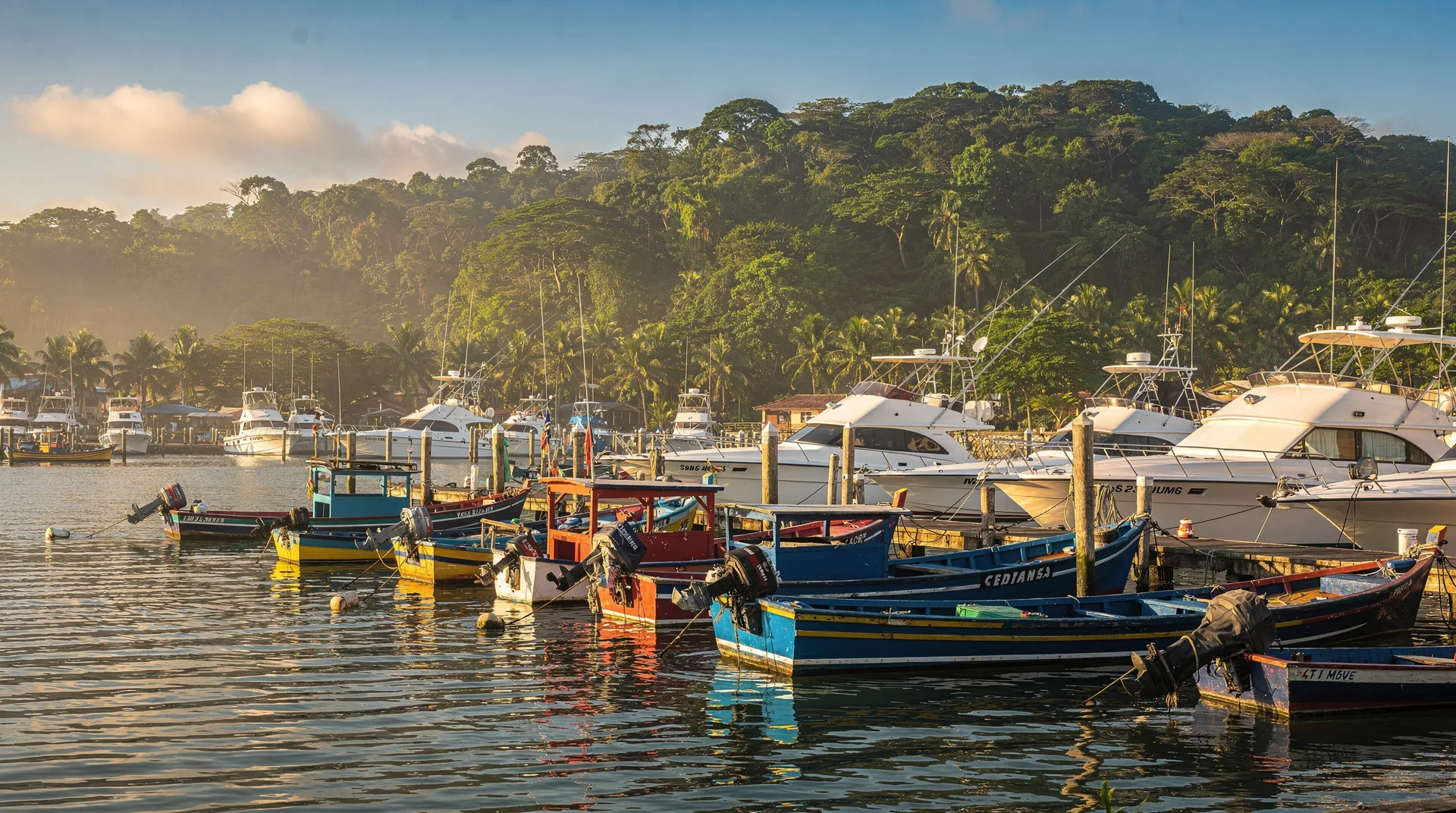
Quepos — the working port town that opens the door to Manuel Antonio
Plan Quepos: Manuel Antonio National Park access, catamaran cruises, mangrove kayaking, sport fishing marina, and authentic local life. Real prices 2026.
Top experiences nearby
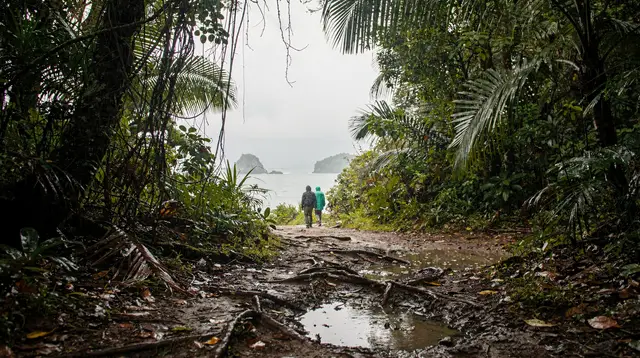
Manuel Antonio Park: guided tour with ticket (3-hour)
Guided tour of Manuel Antonio National Park
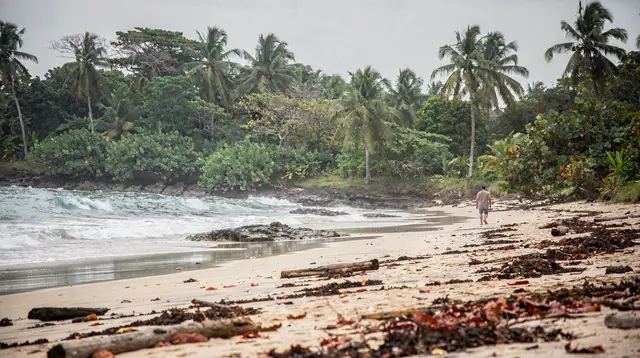
Manuel Antonio: catamaran cruise with a meal
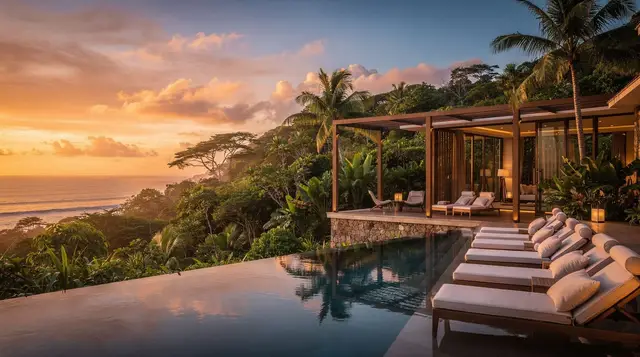
From Manuel Antonio: catamaran adventure including lunch
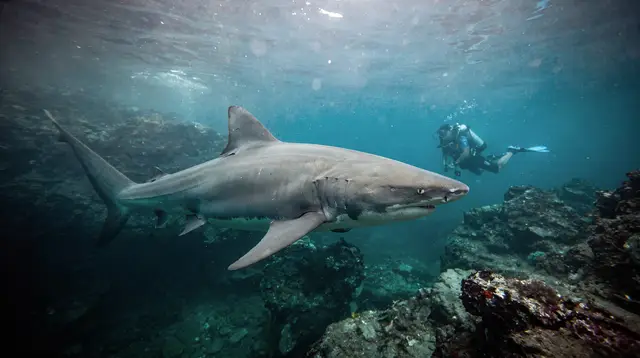
Iguana catamaran tour & snorkeling
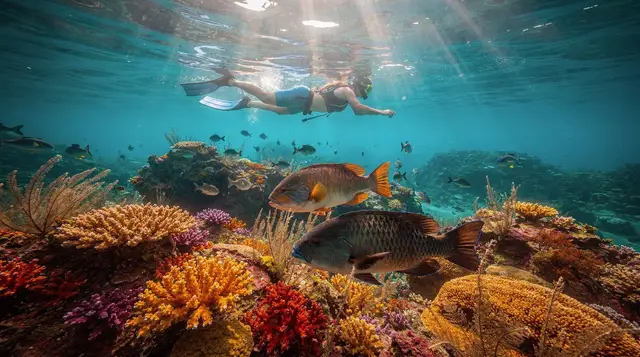
Quepos: wooden sail yacht cruise with watersports and food
Quick facts
- Best time to visit
- December to April (dry season); park closed on Tuesdays
- Days needed
- 1 to 2 days as base for Manuel Antonio; 3 days for marina and day trips
- Getting there
- 3 hours from San José by car; shuttle $55; the park entrance is 7 km from town
- Budget per day
- USD 50–75 budget · USD 100–160 mid-range · USD 250+ boutique
The port town behind the famous park
Quepos is what Manuel Antonio looks like before the hotels moved in. A working port town on the Central Pacific coast, its economy built on fishing, banana export history, and the tourism overflow from the national park 7 km to the south. It lacks the scenic drama of Manuel Antonio’s hilltop hotel strip, but compensates with honesty: real sodas with real prices, a functioning market, a world-class sport fishing marina, and a local character that the boutique-hotel corridor above the park has largely traded away.
Most visitors to the Manuel Antonio area stay in the hotels along the road between Quepos and the park entrance — a strip of hillside properties with ocean views and immediate park access. Quepos is where the Ticos who work those hotels actually live, and where the best-value food, supplies, and services are found.
For travellers watching their budget, basing yourself in Quepos (accommodation is 30–40% cheaper than equivalent hotels on the park road) and catching the public bus to the park entrance ($1, 15 minutes) is a legitimate and intelligent strategy. The buses run every 30 minutes.
Quepos vs staying inside Manuel Antonio
The choice between a Quepos base and a park-road hotel comes down to a straightforward tradeoff:
| Quepos town | Manuel Antonio hotel strip | |
|---|---|---|
| Accommodation cost | 30–40% cheaper | Premium, ocean-view priced |
| Park distance | 7 km (bus/taxi) | Walking distance to entrance |
| Restaurants/ATMs | Full local selection | Hotel restaurants mostly |
| Atmosphere | Working town, authentic | Resort/hotel corridor |
| Best for | 3+ night stays, budget travellers | 1–2 night park-focused visits |
Full detail on Manuel Antonio itself — including where the beach town’s own hotel options sit — is in our dedicated guide.
Manuel Antonio National Park from Quepos
The park is 7 km from the Quepos bus terminal — a short ride on the public bus, a $10–$15 taxi, or a 45-minute walk along the park road (not recommended in midday heat, but pleasant in the early morning). The park entrance is at the end of the road, past the hotels.
Quepos has the advantage of proximity to the park without the premium of staying on the park-road strip. Several tour operators work out of Quepos and offer the same guided park tours as the hotel-strip operators at slightly lower prices.
Manuel Antonio Park: guided tour with ticket (3-hour) — from $55 — $55 for 3 hours, departing from Quepos or park entrance. The standard guided format for first-time visitors, including park entry. Good guide quality and reliable wildlife sightings.
guided tour of Manuel Antonio National Park from Quepos — from $58 — $58 for 3 hours, a similar format with pickup options from Quepos accommodation. Slightly different operator with strong reviews on wildlife spotting.
Remember: the park is closed every Tuesday. Book your guide and transport for Wednesday–Monday. Check the SINAC reservation system (sinac.go.cr) for current entry quota status, particularly in high season (December–March). Our Manuel Antonio National Park guide covers trail options, the best times of day for wildlife, and what a guide adds versus visiting independently — and our monkey species guide helps tell apart the squirrel monkeys, capuchins, and howlers you’re likely to see.
Catamaran cruises from the Quepos marina
The Marina Pez Vela, Quepos’s modern marina, is the departure point for the Central Pacific’s best catamaran cruise operations. These sail out of the protected marina into open water for snorkeling, dolphin watching, and sunset sailing — returning to Quepos at the end of the day.
Manuel Antonio catamaran cruise with a meal — from $110 — $110 for 4 hours from Quepos marina, including snorkeling at offshore rocks, whale/dolphin watch, a cooked lunch on board, and drinks. One of the most popular organised activities in the region and consistently well-reviewed.
Iguana catamaran tour and snorkeling — from $95 — $95 for 4 hours, the slightly more compact format with a focus on snorkeling and marine life. Good for travellers who want to spend more time in the water than sitting on deck.
Damas Island mangrove kayaking
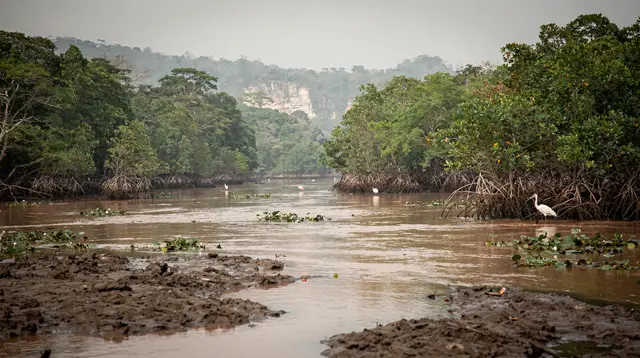
The Damas Island mangrove system north of Quepos is accessed by kayak or motorised boat through narrow channels where wildlife is dense and easily observed. Kayaking rather than motorboat access makes the experience quieter and more intimate — the animals don’t flee from an electric paddle the way they do from an outboard.
Quepos mangrove kayaking tour — from $60 — $60 for 4 hours, paddling the main Damas Island channels with crocodile sightings, waterbird encounters, and occasional monkey and river otter sightings from the water. One of the most peaceful and wildlife-rich experiences accessible from Quepos. No prior kayaking experience required.
For travellers who prefer a motorised boat:
Damas Island mangrove boat tour with lunch from Manuel Antonio — from $75 — $75 for 4 hours, covering the same channels with a riverside lunch included. Faster-paced than the kayak version but still highly productive for wildlife.
Sport fishing at Marina Pez Vela
Quepos is one of the top sport fishing destinations in the world — no exaggeration. The Pacific coast here produces billfish, mahi-mahi, yellowfin tuna, and wahoo throughout the year, with sailfish being the defining species. International fishing tournaments are held here, and the marina infrastructure (fuel, ice, cleaning stations, weigh-in facilities) is genuinely professional.
Charter rates run $650–$1,200 for a full-day offshore trip (6–8 hours) depending on vessel size and target species. Half-day inshore trips for roosterfish and snapper run $350–$550. Most charter companies offer IGFA catch-and-release policies for billfish.
Marina Pez Vela’s layout — with restaurants, charter docks, and provisioning shops in one complex — makes it the obvious hub for fishing departures. Arrive the evening before to meet your captain and discuss targets. The marina also hosts several annual sport fishing tournaments, most notably an offshore sailfish tournament in the dry season, which draws boats and crews from across Central America and briefly makes the town noticeably busier and hotel rates noticeably higher — worth checking the calendar before booking if you’d rather avoid (or specifically want to catch) the crowds.
Rafting on the Savegre River
The Río Savegre, one of the cleanest rivers in Central America, cuts through the mountains behind Quepos and offers excellent white-water rafting in Class II–IV sections. The upper section (Class IV) requires experience; the lower section (Class II–III) works well for families and beginners. Half-day trips run $80–$110 from Quepos.
The Savegre Valley above the river is also one of the last places on the Pacific slopes of Costa Rica to see the resplendent quetzal — though at lower reliability than San Gerardo de Dota further south. For dedicated quetzal chasing, our quetzal watching guide explains why San Gerardo de Dota, a few hours inland, is the more reliable option if that single sighting matters more to you than convenience.
Rafting operators in Quepos typically run the Savegre as a half-day trip with morning departures timed to river levels, which fluctuate meaningfully with rainfall — a river that’s a comfortable Class II–III in the dry season can push into pushier Class III–IV territory after a wet-season storm upstream. First-timers and families should confirm which section and water level they’re booking; the guide briefing before launch is where operators are legally required to disclose current conditions, and it’s worth actually listening rather than treating it as boilerplate.
Manuel Antonio vs Corcovado: which wildlife park wins
Quepos-based travellers sometimes debate whether to add a Corcovado extension to their trip. The short answer: Manuel Antonio guarantees an easier, denser wildlife encounter in a fraction of the time; Corcovado offers greater biodiversity and a genuine wilderness experience at the cost of a much longer, harder day. Our Manuel Antonio vs Corcovado guide breaks down the tradeoff in full — for most travellers on a standard two-week itinerary, Manuel Antonio from Quepos is the right call, with Corcovado reserved for dedicated wildlife trips with more time to spend.
Wildlife guide etiquette
Manuel Antonio’s high wildlife density has created a real problem: some independent and unlicensed “guides” around the park entrance use food to lure monkeys and iguanas closer for tourist photos, which is illegal, harmful to the animals, and a factor in the park’s periodic crackdowns on entrance-area touts. Book only guides wearing the official ICT/SINAC identification badge, decline any guide who offers to feed wildlife for a better photo, and see our wildlife watching ethics guide for the fuller picture on responsible wildlife tourism in Costa Rica.
Where to eat in Quepos
El Gran Escape (the Great Escape): The institution. A sports bar-restaurant and fishing operation in one — cold beer, excellent seafood, and a wall of IGFA record fish photographs. $20–$35 per person. A must for fishing culture.
Soda Sanchez: The local benchmark for gallo pinto and casados — rice, beans, fresh catch of the day, and a patacone. Everything under $10. Breakfast is the main event.
Bar Restaurante El Patio: A reliable local option for grilled whole fish, ceviche, and rice dishes at honest prices. $12–$20 per person.
Marina Pez Vela restaurants: The marina’s restaurant level (three separate concepts) offers better quality than the budget-restaurant image suggests — good sushi, fresh ceviche, and solid grilled fish with the bonus of watching boats come in. $20–$40 per person.
Mercado Central Quepos: The local covered market for the best fresh tropical fruit, fish from local boats, and honest lunch at ₡3,500–₡5,000 (under $10). Open mornings and weekday lunchtimes.
Where to stay in Quepos
Mid-range ($80–$150/night): Hotel Kamuk is the largest hotel in the town centre — reliable, pool, good location by the market. Hotel Best Western Kamuk is a step up in comfort. Both are significantly cheaper than equivalent standard on the park-road strip.
Budget ($25–$60/night): Wide Mouth Frog Hostel is well-run and backpacker-friendly with a good pool and helpful staff. Hostel Quepos offers basic private rooms and dorms very close to the bus terminal.
Note on location vs price: Staying in Quepos instead of on the hotel strip between Quepos and the park saves $60–$100 per night for equivalent accommodation standard. The tradeoff is convenience — you need to bus or taxi 7 km to the park each morning rather than walking. For a 2-night stay focused on the park, the park-road hotels are worth the premium. For a longer stay mixing park days with fishing and mangrove tours, Quepos town makes financial sense.
Getting to and from Quepos
From San José, the drive takes 3 hours on Route 34 (Costanera Sur coastal highway) via Jacó. The road is excellent. Shared shuttles from San José run $55 and are comfortable; Tracopa buses from San José’s central bus terminal take about 3.5–4 hours and cost $9.
From Jacó (1.5 hours north) and Uvita (1.5 hours south), Quepos sits in the middle of the Central Pacific coast, making it easy to combine with both in a longer itinerary.
Within the Quepos–Manuel Antonio corridor: public buses ($1) run every 30 minutes from the Quepos terminal along the park road, stopping at all hotels. Taxis cost $10–$15 from the town centre to the park entrance. Private shuttles are available from most tour operators.
Practical information
ATMs: Quepos has the best ATM selection in the area — BAC, Scotiabank, and Banco Nacional branches all within walking distance of the market. Stock up on cash before heading to the hotel strip, where ATM access is more limited.
Market day: Wednesday and Saturday mornings the Mercado Central fills with local farmers selling produce, cheese, and prepared food. Worth a visit even if you are not shopping.
Pharmacies: Several well-stocked pharmacies in the town centre. Closer to real medical supplies than anywhere on the hotel strip.
Frequently asked questions about Quepos
Is it better to stay in Quepos or on the hotel road?
Depends on priorities. The hotel road gives you immediate park access and ocean views from the terrace. Quepos gives you authentic town life, cheaper prices, and better ATM/shopping access. For a 2-night focus on the park, book the park-road hotel for the convenience. For 3+ nights combining park, fishing, and mangroves, Quepos town makes economic sense.
Can I walk from Quepos to Manuel Antonio Park?
Technically yes — it is 7 km, mostly uphill, on a road with fast traffic and no dedicated walkway in sections. Not recommended in the midday heat. Take the bus ($1, 15 minutes, runs every 30 min) or a taxi ($10–$15).
Is sport fishing from Quepos accessible for non-anglers?
Yes — several charter operators offer hybrid tours that include some fishing alongside snorkeling or whale watching, allowing mixed groups to participate without everyone needing to be an angler. Full sport-fishing charters are for committed anglers; the hybrid half-day formats work for curious beginners.
What is the best mangrove tour from Quepos — kayak or motorboat?
Kayak for wildlife encounters (quieter, slower, more intimate). Motorboat for covering more ground in less time and if you want a riverside lunch included. The Damas Island channel system works well for both formats; the wildlife sightings are comparable.
How to fit Quepos into your itinerary
Quepos almost always appears as part of the Manuel Antonio experience. Spend your first night in Quepos, then move to a park-road hotel for the park days before returning to Quepos for the marina and mangrove activities. Alternatively, base yourself entirely in Quepos and bus to the park daily. See the 10-day Arenal, Monteverde, Manuel Antonio itinerary for the classic framework, or the 7-day Central Pacific itinerary for a coast-focused route.