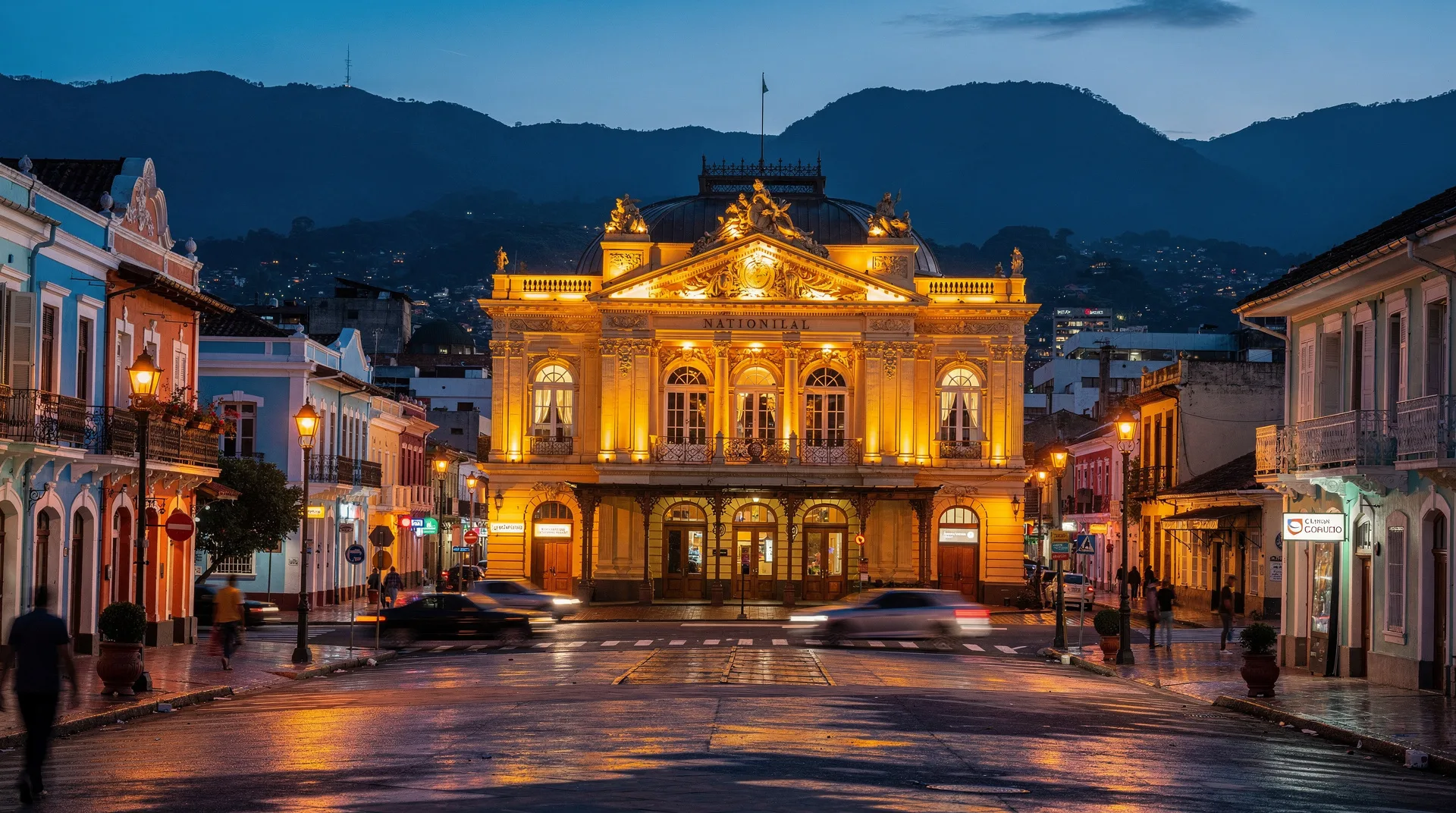
San José — Costa Rica's capital as a day-trip hub and genuine city
San José travel guide: National Theater, Mercado Central, coffee tours, and the best day trips to Poás, Irazú, La Paz, and Tortuguero. Real prices 2026.
Top experiences nearby
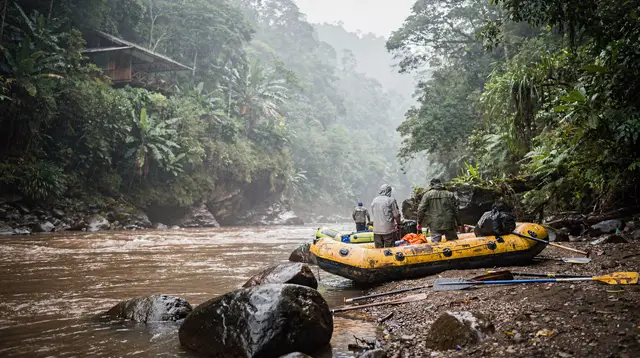
From San José: Pacuare River white water rafting day trip
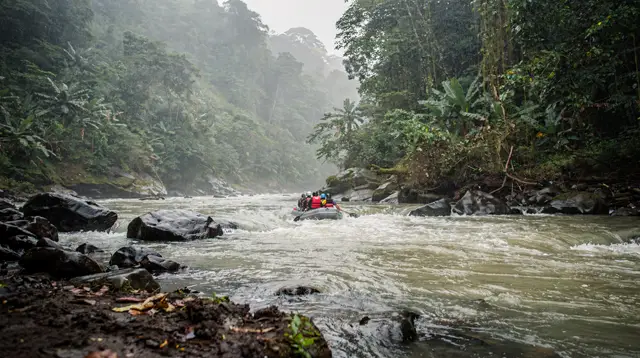
Pacuare River full-day rafting adventure from San José
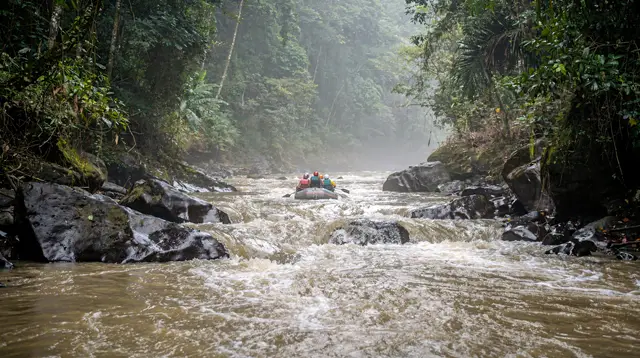
San Jose: Sarapiqui Class 2&3 rafting adventure
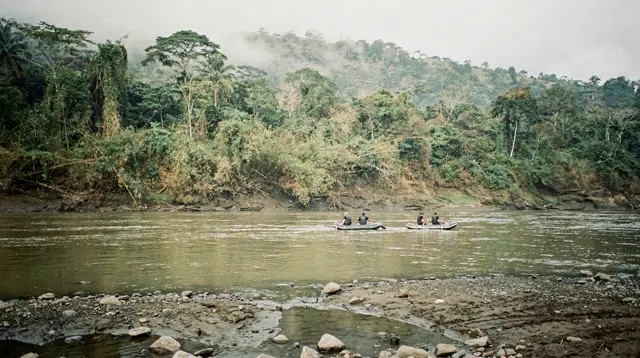
San Jose: Sarapiqui Class 3&4 rafting to La Fortuna
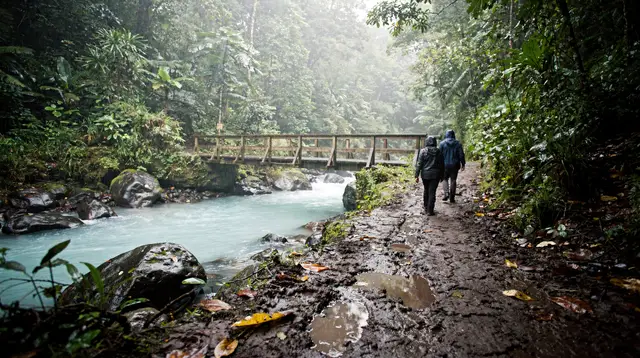
San Jose: Manuel Antonio National Park tour
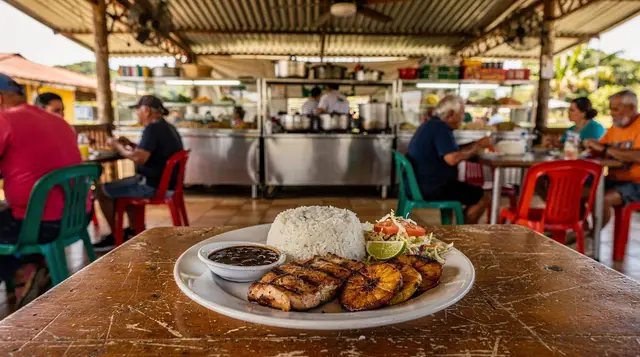
San José: guided city tour with National Theater visit
Quick facts
- Best time to visit
- Year-round (Central Valley climate is mild: 18–26°C)
- Days needed
- 1 to 2 days (city) plus day trips
- Getting there
- Juan Santamaría Airport (SJO) in Alajuela, 20 km from city centre
- Budget per day
- USD 50–80 budget · USD 100–160 mid-range · USD 200+ boutique
A transit capital that rewards a second look
San José is not most visitors’ priority destination in Costa Rica, and the city itself would be the first to admit why: its architecture is a mixed bag of concrete modernism and faded colonial buildings, traffic is legendarily bad, and the surrounding urban sprawl lacks the scenic drama of the beaches and volcanoes the country is famous for. But dismissing San José as just an airport city misses something real.
The National Theater is genuinely beautiful and one of the finest 19th-century opera houses in Latin America. The Mercado Central — a covered market labyrinth of butchers, fishmongers, sodas, and leather workers — is a functioning slice of Tico daily life untouched by tourism. The Pre-Columbian Gold Museum (below the Plaza de la Cultura) holds one of the most impressive collections of indigenous gold artifacts in the Americas. The city’s restaurant scene has quietly become one of the most diverse in Central America, driven by a young generation of Costa Rican chefs using local ingredients in unfamiliar ways.
San José also sits at the centre of the country’s road and bus network. Every major shuttle route in Costa Rica either originates here or passes through. Planning a day or two in the city — particularly at the beginning of a trip — gives you time to recover from jet lag, sort logistics, and do one or two of the excellent day trips that use San José as a base before heading out to the national parks.
The National Theater and the historic centre
The Teatro Nacional, inaugurated in 1897, is the centrepiece of any city walk. The neoclassical building was funded by a coffee export tax — an irony that the country’s farmers at the time did not appreciate — and decorated with marble, gold leaf, and allegorical murals by Italian artists. The famous ceiling fresco of the coffee harvest is still there, and the building still hosts regular performances of opera, ballet, and classical music.
Entry to see the interior costs $15 (2026) if you are not attending a performance. A guided tour adds context. If you can time it with a performance, tickets run $20–$80 and the acoustic experience is excellent.
The central plaza (Plaza de la Cultura) outside the theater is the social hub of downtown — always busy with students, vendors, and pigeons. Below it, the Museo del Oro Precolombino is worth two hours: 1,600 pieces of pre-Columbian gold, including ceremonial pieces from the Diquís Delta culture that are remarkable in their complexity. Entry $11.
San José guided city tour with National Theater visit — from $45 — $45 for 3 hours covering the theater, Mercado Central, the gold museum area, and the neighbourhoods of Barrio Amón and Otoya. A good orientation for first-time visitors.
The Mercado Central and food culture
The Mercado Central on Avenida Central is the honest alternative to the tourist cafés on the plaza. Established in 1880, it is a covered market maze of stalls selling everything from raw fish and tropical fruits to medicinal herbs, leather goods, and sodas serving the best gallo pinto in the city. Budget $5–$8 for a full lunch at one of the interior soda counters. The market is open Monday–Saturday, 06:00–18:00.
For a more curated food experience, the area around Barrio Escalante (2 km east of the centre) has become the destination for San José’s independent restaurant scene. Friday evening here — with outdoor tables spilling onto the street, craft beer, and creative menus — feels more like a European neighbourhood than a Central American capital.
San José coffee production tour and tasting — from $75 — $75 for 4 hours, covering Costa Rican coffee production history and a proper cupping session. A good option for the first or last afternoon, particularly for coffee drinkers who want to understand why Costa Rica’s beans are what they are.
Day trips from San José
San José’s real value is as a launchpad for day trips to the Central Valley volcanoes and beyond. The surrounding Alajuela Province alone contains Poás Volcano, the La Paz Waterfall Gardens, and the Doka Estate coffee plantation within a two-hour radius.
Poás Volcano: Costa Rica’s most-visited volcano has a drive-up access road to the rim — you park 500 metres from the active crater. The crater diameter is 1.5 km, making it one of the widest in the world, and the acid lake at the bottom turns various shades of turquoise and grey depending on volcanic activity. Access requires SINAC reservations made 4 weeks in advance (sinac.go.cr). Drive from San José: 1.5 hours.
Poás Volcano, coffee plantation and La Paz Waterfall Gardens day trip — from $130 — $130 for 10 hours covering all three attractions with transport and guide. The most popular full-day itinerary from San José in the Central Valley. Poás entry is included via pre-booked SINAC quota. Good value if you do not have a car.
Irazú Volcano: The other great Central Valley volcano, and at 3,432 metres the highest accessible peak in Costa Rica. On rare clear days, you can see both the Pacific and the Caribbean from the crater rim — a two-ocean view that almost never happens but is worth trying for. Drive from San José: 1.5 hours. Day tours typically combine with the Orosi Valley and Cartago.
La Paz Waterfall Gardens: A private nature park 45 minutes from San José on the road to La Fortuna via the Sarapiquí lowlands. Five waterfalls (viewable from catwalks), hummingbird gardens, a butterfly observatory, and large enclosed wildlife areas (jaguars, tapirs, sloths, snakes). Entry is $50 and it is not cheap, but the infrastructure and animal welfare standards are high. Useful if you want wildlife in a controlled setting without a long drive.
Costa Rica historical tour in San José — from $55 — $55 for 4 hours, focusing on the city’s political and social history through its architecture and public spaces. A good alternative if you want to understand the country’s context beyond the national parks.
Comparing the classic San José day trips
San José’s real strength is the ring of day trips within two hours of the city. Which one to prioritise depends on time and interest:
| Day trip | Distance | Highlight | Best for |
|---|---|---|---|
| Poás + La Paz Waterfall | 1.5 hrs | Widest crater in the world, waterfalls, wildlife park | First-timers wanting variety in one day |
| Irazú + Orosi Valley | 1.5 hrs | Highest volcano, possible two-ocean view, colonial valley | Photographers, quieter alternative to Poás |
| Cartago + Orosi Valley | 1 hr | Basilica, coffee farms, Lankester Gardens | Culture and coffee travellers with less time |
Poás is the more crowded and infrastructure-heavy option, with the SINAC reservation system, a wildlife park, and waterfalls bundled in — good for travellers who want a full day out of a single ticket. Irazú, paired with the Cartago and Orosi Valley circuit, is quieter and rewards travellers who prefer colonial towns and coffee farms to a wildlife park. Both depart San José in the early morning to beat the cloud cover that builds by midday.
San José as the hub for your wider circuit
Nearly every Costa Rica itinerary touches San José at least twice — once on arrival, once on departure — which makes it worth understanding as a hub rather than just a stopover. From the capital, La Fortuna and the Arenal Volcano zone are a 3-hour shuttle north; Monteverde is a similar distance northwest through more mountainous roads; and Manuel Antonio on the central Pacific coast is roughly 3.5 hours south.
For travellers heading into the Central Valley highlands first, San José province as a whole — including the quetzal valley at San Gerardo de Dota and the approach to Cerro Chirripó — extends south along the Pan-American Highway from the city. Planning which direction to head first usually comes down to whether beaches, volcanoes, or cloud forest matter more to the rest of your trip.
If volcanoes are the draw, Poás Volcano National Park and the Arenal vs Poás vs Irazú comparison will help you decide how many crater visits a trip really needs. Coffee drinkers can read the coffee tours comparison before choosing between a plantation visit and a city tasting, and anyone curious about the local table will find more context in the guide to sodas and local restaurants.
Where to eat in San José
Kalu Café (Barrio Escalante): The benchmark of San José’s new-wave café scene. Excellent third-wave coffee (Costa Rican single-origin beans), fresh pastries, and light lunch dishes. Under $15.
La Esquina de Buenos Aires (near the National Theater): The best Argentine steakhouse in the city — good cuts, well-priced, and reliably busy. $25–$40 per person.
Silvestre (Barrio Escalante): Nationally recognised creative tasting menus using indigenous ingredients and fermentation techniques. Chef Diego Hernández is one of the country’s most interesting young cooks. $55–$80 tasting menu. Worth it for a special dinner.
Café de los Deseos (Barrio Amón): A quirky café-bar in a colonial house with good ceviche, cold Imperial beer, and a colourful art-gallery atmosphere. Under $15.
La Criollita (near Central Market): A traditional soda doing classic Costa Rican food at honest prices. Casados under $8. No atmosphere, excellent food.
Where to stay
Luxury ($150+/night): Hotel Grano de Oro in Barrio Paseo Colón is the city’s most charming boutique hotel — a converted Victorian mansion with 40 rooms, an award-winning restaurant, and a rooftop hot tub. Real Costa Rican coffee estate atmosphere in the middle of the city. Alta Hotel is a newer boutique option in Escazú with excellent service and a good restaurant.
Mid-range ($60–$130/night): Hotel Presidente (by the National Theater) is convenient and reliable. Aurola Holiday Inn is the obvious downtown business hotel — nothing remarkable but well-located. Boutique Hotel Jade is good value in Barrio Amón.
Budget ($20–$50/night): Costa Rica Backpackers is the long-standing hostel institution — clean, central, good communal spaces. Casa Ridgway (near the Parque Morazán) is a Quaker-run guesthouse, extremely affordable and safe.
Getting between neighbourhoods
San José’s tourist-relevant area is compact enough to walk in daylight: the National Theater, Mercado Central, and Plaza de la Cultura sit within a 15-minute walk of each other in the historic core. Barrio Amón and Barrio Escalante, the two neighbourhoods with the best restaurants and boutique hotels, are roughly a 20-minute walk or a $4–6 Uber ride east of the theater district. After dark, walking between the core and Escalante is not recommended — take a taxi or rideshare instead, even for the short distance. Within Escazú or Alajuela, a rental car or rideshare is the practical option, since the areas are more spread out and less walkable than downtown.
Moving on from the capital is easiest once you have settled the big question of whether to drive. The rent a car or not guide weighs it honestly, and the shuttle services overview covers the alternative for most of the popular routes out of the city. If you land late or leave early, the airport transfers guide is worth a look before you book a hotel.
Practical tips for San José
Safety: San José has a pickpocket problem, particularly around the Coca-Cola bus terminal and in crowded markets. Keep valuables in hotel safes, carry minimal cash, and avoid the Red Zone (around Avenida 2 at night). The city is not dangerous in the way many Central American capitals are, but standard urban precautions apply.
Money: ATMs at BAC and Scotiabank branches are the most reliable for foreign cards. The airport exchange bureau (Global Exchange) charges poor rates — use an ATM in the city instead. The colón (CRC) trades at roughly 520 per USD; most tourist businesses accept USD directly.
Transport: Within the city, the Rideshare app Uber is widely used and more reliable than street taxis (always negotiate a price or use metered taxis). Between the airport and the city, the official orange TUASA bus costs ₡1,000 ($2) and takes 35 minutes to the San José bus terminal; a cab costs $30–$40.
For wider reassurance, the safety in Costa Rica guide puts the city’s pickpocket warnings in national context, and the money and currency guide explains how colones and dollars work side by side.
Frequently asked questions about San José
Is San José worth spending time in?
More than most visitors allow. One full day — National Theater in the morning, Mercado Central for lunch, Barrio Escalante for dinner — gives a genuine picture of the city. Two days with a volcano day trip is an excellent way to start a Costa Rica trip without rushing immediately to the tourist circuit.
What is the best neighbourhood to stay in?
Barrio Amón and Barrio Escalante are the most pleasant areas — colonial architecture, independent restaurants, and walkable streets. Avoid staying in the immediate downtown (around Avenida Central west of the mercado) if you value quiet and security.
How do I get from SJO airport to the city?
TUASA bus from outside the terminal to Alajuela city (₡600) then onward to San José. Or Uber/official taxi to the city for $30–$40. The airport is in Alajuela, about 20 km from central San José. Allow 45–60 minutes in traffic.
Can I book La Fortuna and Monteverde from San José?
Yes — nearly all shuttle companies run daily from San José to La Fortuna ($55, 4 hours), Monteverde ($55, 4 hours), Manuel Antonio ($55, 3.5 hours), and Tamarindo ($60, 5 hours). Book through Interbus, Gray Line, or Caribe Shuttle.
How to fit San José into your itinerary
San José is almost always the entry and exit point for Costa Rica trips. Use 1 night on arrival to recover from the flight and sort the next day’s logistics. Use 1 night before departure to avoid driving in unfamiliar conditions. A 2-night stay at the beginning with a volcano day trip is a genuinely good investment that sets the tone for the rest of the trip. See the 10-day Arenal, Monteverde, Manuel Antonio itinerary for how San José fits into the classic circuit, or the 14-day complete Costa Rica route for more detail.