Chocolate and cacao tours in Costa Rica: the best experiences
Best chocolate tour?
La Iguana (Manuel Antonio area), North Fields (La Fortuna), Bribrí indigenous tour (Caribbean).
Costa Rica’s cacao: a story of revival
Cacao (Theobroma cacao — literally “food of the gods” in Greek-Nahuatl hybrid naming) is not a newcomer to Costa Rica. Indigenous Bribrí and Cabécar peoples in the Talamanca mountains have cultivated and used cacao ceremonially and nutritionally for at least 3,000 years. The Spanish encountered elaborate cacao-based drinks in Mesoamerican royal courts; the plant was sacred and economically central.
Then came the 20th century. Commercial monoculture and the devastating witches’ broom fungus wiped out most of Costa Rica’s cacao production by the 1980s. For a generation, the country imported the chocolate it consumed.
The revival has been remarkable. Starting in the 1990s, organic growers, indigenous communities, and entrepreneurial farmers rebuilt cacao cultivation — not as industrial monoculture but as shade-grown, diversity-oriented agroforestry. Today, Costa Rica has a small but thriving fine cacao sector, producing beans that international chocolate makers seek out specifically. The Talamanca and Sarapiquí regions are the heartland.
Chocolate tours in Costa Rica are not merely tourism products. At their best, they are genuinely educational encounters with a living agricultural tradition. At their worst, they are theme-park experiences with a chocolate-making activity bolted on. This guide helps you find the best and avoid the rest.
The best chocolate tours by region
La Iguana Chocolate — Pacific Central zone (Manuel Antonio / Jacó area)
La Iguana Chocolate operates in the hills between Jacó and Manuel Antonio — approximately 45 minutes from Jacó, 30 minutes from Quepos. The farm is run by a cooperative model connecting small-scale cacao growers, and the tour emphasises the agricultural cycle from bean to finished chocolate bar.
The tour structure: walk through the cacao groves to understand the agroforestry system (cacao grown under banana and other shade trees), witness fermentation and drying processes, participate in grinding and tempering, and produce your own small chocolate bars to take away.
What distinguishes La Iguana is the quality of the finished product — the chocolate is genuinely good, using properly fermented, single-origin beans rather than blended commercial cacao. The guides have real agricultural knowledge, not just a script.
Duration: approximately 2.5 hours
Price: $30–40 per person
Good for: Families, small groups, anyone based at Manuel Antonio or Jacó
The Jacó Beach chocolate experience is another option in this zone, shorter and slightly more entry-level:
Jacó Beach: 2-hour chocolate experience tour — from $35North Fields Organic Farm — La Fortuna / Arenal
North Fields is a certified organic farm near La Fortuna offering a combined coffee and chocolate experience. The farm grows both cacao and coffee at Arenal volcano-adjacent altitude, and the tour covers both crops in a half-day format that works well for visitors based at the popular Arenal hub.
The cacao component covers the full bean-to-bar process: harvesting ripe pods (if in season), fermenting, drying, roasting, and hand-processing into drinking chocolate and bars. The farm is small enough that you are interacting with the actual growers rather than a specialised tourism staff.
Duration: approximately 2.5 hours
Price: $45 per person
Book via: GetYourGuide La Fortuna: North Fields coffee and chocolate tour — from $45
Rainforest chocolate tour — La Fortuna
A shorter, more accessible option near La Fortuna that focuses specifically on the chocolate-making process without the farm context of North Fields. Good as an afternoon activity when you want something hands-on but lower-intensity than a full farm visit.
La Fortuna: rainforest chocolate tour — from $30Local chocolate tour — La Fortuna
The “local chocolate tour experience” near La Fortuna is the most informal option in the Arenal area — typically smaller groups, more personal interaction with the producer, and a focus on traditional preparation methods rather than the full agricultural context.
La Fortuna: local chocolate tour experience — from $35Bribrí Indigenous Cacao Tour — Talamanca Caribbean slope
This is the most culturally significant chocolate experience in the country and arguably in Central America. The Bribrí people of the Talamanca mountains have a living cacao tradition that predates the Spanish colonial period. In Bribrí cosmology, cacao is sacred — the tree was once a human being, transformed by the deity Sibö, and the pods are therefore treated with particular reverence in ceremonial contexts.
Several Bribrí communities near the Sixaola River on the Caribbean slope offer guided cacao experiences led by community members (not outside tour operators). The experience varies by community but typically includes:
- A walk through Bribrí forest territory to see cacao growing in its traditional agroforestry context
- Explanation of the cultural and ceremonial role of cacao in Bribrí tradition
- Traditional preparation of a cacao drink (not chocolate in the sweetened European sense — this is an unsweetened, thick, slightly fermented preparation)
- Context on Bribrí language, forest management, and land rights
This is not a hands-on “make your own chocolate bar” experience. It is a genuine cultural encounter with an indigenous community, and it requires respectful engagement on those terms. Photography may be restricted in certain areas. Groups are small — often 6–8 people maximum with a community guide.
Duration: 3–5 hours depending on the community programme
Price: $40–65, paid directly to the community
Access: Most commonly reached from Puerto Viejo de Talamanca, about 30–45 minutes to the communities by car, then 15–30 minutes by boat or on foot depending on the specific community. Operators in Puerto Viejo can arrange the logistics.
Honest note: “Bribrí indigenous cacao tour” is increasingly used as a marketing phrase by non-indigenous operators offering a superficial version of this experience. The authentic version involves actual community members as guides, and the fee goes directly to the community. Ask specifically who guides the tour and who receives the revenue before booking.
Puerto Jiménez / Osa Peninsula
For those exploring the Osa Peninsula, Puerto Jiménez has a locally-run chocolate tour that ties into the small-scale cacao growing in the area around the Corcovado buffer zone.
Puerto Jiménez: chocolate tour — from $45Understanding cacao: what a good tour teaches you
A high-quality chocolate tour should explain at minimum:
The cacao tree itself
Theobroma cacao is a understory tree — it grows naturally in forest shade, not in open plantations. Sustainable cacao farming in Costa Rica uses agroforestry systems where cacao is grown under the canopy of banana, plantain, and larger shade trees. This produces better flavour, supports biodiversity, and avoids the soil degradation of monoculture.
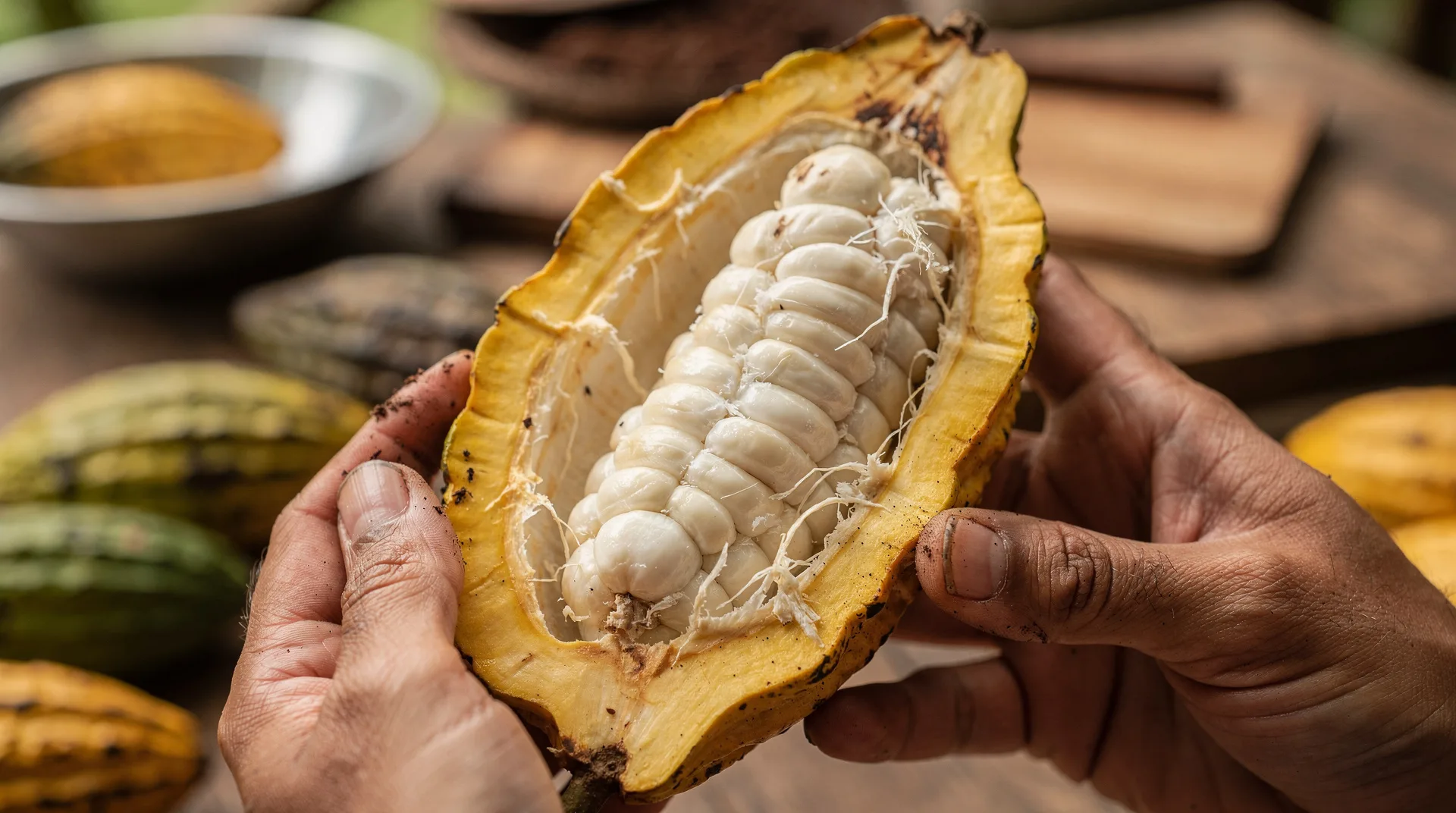
The pods grow directly from the trunk and main branches (cauliflory) — an unusual botanical feature. Pods range in colour from yellow to red to deep purple, and ripen over about six months from flower to harvest.
Fermentation: the flavour step
This is the step that most chocolate tourists don’t know about. After harvesting, cacao beans are removed from the pods and piled in wooden fermentation boxes for 5–7 days. During fermentation, yeast and bacteria transform the chemical compounds in the bean, developing the precursors to chocolate flavour. Without proper fermentation, the beans produce a flat, astringent flavour regardless of how well they are roasted. Fermentation is where chocolate quality begins — not at the factory.
Drying and roasting
After fermentation, beans are sun-dried for 1–2 weeks, then roasted. Roasting develops the chocolate flavour through Maillard reactions — the same chemistry that browns coffee and bread. The roasting temperature and duration significantly affect the final flavour profile.
The difference between cacao and cocoa
Cacao refers to the raw, minimally processed form — the fermented, dried beans, or products made from them at low temperatures. Cocoa refers to the processed, typically Dutch-processed form used in commercial chocolate production. The distinction matters for nutritional content and flavour: raw cacao retains more antioxidants and has more complex, bitter flavour.
Sibu Chocolate and urban artisan makers
Sibu Chocolate in Escazú (San José suburb) is Costa Rica’s best-known artisan bean-to-bar maker. They do not offer farm tours, but they do offer chocolate tastings and educational workshops at their retail location. For travellers staying in San José who want a high-quality chocolate experience without driving to a farm, a tasting at Sibu is the alternative.
Their chocolate is made entirely from Costa Rican cacao and is exported internationally. A tasting box purchased at their shop makes an exceptional gift that is genuinely representative of the country’s artisan food production.
What distinguishes a good tour from a tourist trap
Signs of quality
- Actual cacao trees and agricultural context, not just a processing demonstration
- Guides with agricultural knowledge who can answer questions about growing and processing
- Fresh cacao used in the demonstration (not pre-processed powder)
- Revenue transparency — for indigenous tours especially
- Limited group size (under 15 people for the best experience)
Red flags
- “Chocolate making” that consists only of melting and moulding commercial chocolate with no context on origin
- Large groups cycling through assembly-line style
- No actual cacao growing visible on the property
- Indigenous branding without indigenous guides or revenue sharing
- Price suspiciously below $30 for a “complete farm-to-bar experience” (the processing time alone makes this economically implausible with genuine ingredients)
Prices and what to expect to pay
| Experience type | Typical price range | Duration |
|---|---|---|
| Short chocolate activity (Jacó/Fortuna) | $30–40 | 1.5–2 hours |
| Full farm-to-bar tour (La Iguana, North Fields) | $40–55 | 2.5–3.5 hours |
| Combined coffee+chocolate tour | $45–65 | 2.5–3 hours |
| Indigenous Bribrí community tour | $50–70 | 3–5 hours |
| Urban tasting (Sibu, San José) | $20–30 | 1–1.5 hours |
Prices that significantly undercut these ranges almost certainly involve commercial chocolate rather than farm-produced cacao.
Frequently asked questions about chocolate and cacao tours
Can children participate?
Yes, and children typically love chocolate tours — the hands-on element of harvesting pods, cracking beans, and eating chocolate at various processing stages is engaging for all ages. La Iguana and the La Fortuna options are particularly family-friendly. The Bribrí community tour involves more walking and cultural explanation; it is appropriate for children 10+ who can engage respectfully with the cultural context.
Is the chocolate made on tour significantly different from commercial chocolate?
Yes. Properly fermented, single-origin, small-batch chocolate has a flavour complexity that mass-market chocolate cannot replicate. The acidity, the fruit notes, the depth of the bitter notes — these are qualities that large commercial producers blend and process away in favour of uniformity and sweetness. Tasting a well-made 70% Costa Rican dark chocolate bar next to a standard commercial bar is a genuinely instructive comparison.
How does cacao relate to local indigenous culture?
Cacao is sacred in several indigenous traditions across Mesoamerica and South America. For the Bribrí people, cacao is not merely a crop — it has cosmological significance tied to their creation narrative. The way cacao is prepared and consumed in traditional contexts (unsweetened, thick, slightly sour) is entirely different from European chocolate, and the experience of tasting it is revelatory for visitors expecting sweetness.
When is the best time of year for a chocolate tour?
Cacao harvests in Costa Rica are bimodal — the main harvest runs approximately October through February, with a smaller secondary harvest May through July. Visiting during harvest means seeing active pod picking and fresh fermentation boxes in use. The off-season tours still proceed, using previously fermented and dried beans, but the alive-ness of the agricultural activity is less visible.
Can I buy cacao products to take home?
Yes. Finished chocolate bars at La Iguana, North Fields, Sibu, and similar operations range from $8–18 per bar. Cacao powder and cacao nibs (roasted, broken beans) are also commonly sold. These products travel well and make excellent gifts — far more representative of Costa Rica’s agricultural heritage than a coffee-flavoured chocolate from an airport shop.
Pairing chocolate with coffee on the same day
Several regions in Costa Rica let you combine cacao and coffee in a single half-day, since the two crops often share the same shade-grown agroforestry systems. Around La Fortuna, North Fields and similar farms run both crops on the same property, meaning you get the fermentation-and-roasting explanation for cacao alongside a parallel process for coffee cherries. Around San José, the Alajuela coffee circuit pairs naturally with an urban chocolate tasting at Sibu in Escazú on the same day, since both are within easy reach of the capital.
Alajuela: coffee plantation guided tour with tasting — from $60Fitting a chocolate tour into your route
A chocolate tour works best as a gentle anchor in a day that would otherwise be spent driving or recovering from something strenuous. Around Arenal, it pairs naturally with the Arenal hot springs overview after a morning of activity, or with a quieter day after the Arenal ziplines. Base yourself in La Fortuna and you can usually slot a tour into an afternoon without rearranging anything else.
On the Pacific side, the Manuel Antonio and Jacó areas suit a tour on the day you are not at the beach or in the national park. If you are planning the Manuel Antonio National Park visit, keep the chocolate farm for a different day so neither experience feels rushed.
Travelling with children? Cacao is one of the easiest agricultural stories to make tangible, because they can touch the pods, taste the beans and eat the result. The family travel tips and the guide to activities for young children help you decide how many farm visits a trip can absorb before the novelty fades.
Timing, weather and what to bring
Cacao farms are working agricultural land, so conditions underfoot depend on the season. In the wetter months, paths between the trees can be muddy and humid, and an afternoon shower is part of the experience rather than a reason to cancel. The green season pros and cons explains what to expect from the weather in those months, while the dry season pros and cons covers the opposite situation. Closed shoes, light clothing, insect repellent and a refillable water bottle are sensible on any farm visit; the packing list covers the rest.
Tours on the Caribbean slope deserve extra flexibility. Weather there does not always follow the Pacific pattern, and reaching a community by road and then boat or on foot is easier when you are not tied to a tight schedule. Check the Puerto Viejo transport options before fixing a date, and read the microclimates explained guide if you are combining several regions in one trip.
Tasting what you learn about
A tour is more rewarding when you can compare what you have learned with what appears on your plate. The Costa Rica cuisine by region guide shows where cacao and other local ingredients turn up, and the sodas and local restaurants guide is a good companion for the days between farm visits. Buying bars and nibs at the source also supports the small growers behind them, which fits the independent approach of the honest look at tourist traps on our blog.
If cultural and ecological depth is what draws you, the wildlife watching ethics guide is a useful reminder that respectful behaviour matters on farms and in communities as much as in the forest.
Related guides
Chocolate and coffee are the two artisan agricultural products that most reward serious exploration in Costa Rica. The coffee tours comparison gives the same structured treatment to coffee plantations. For the broader food culture context, the Costa Rican food overview places cacao in the country’s historical and regional food narrative. And if the Bribrí cultural dimension interests you, the Puerto Viejo destination guide covers the Caribbean coast communities in more detail.