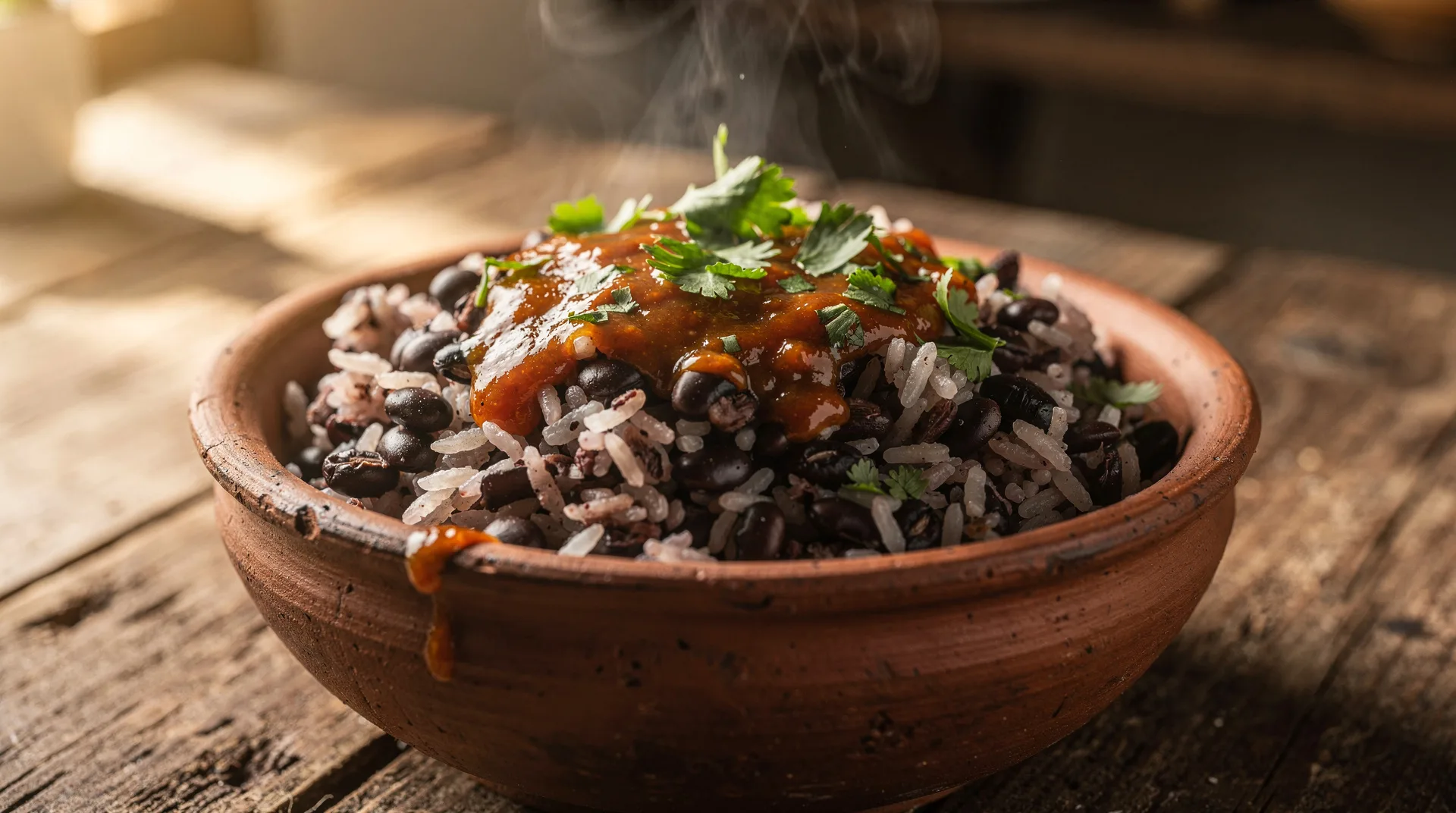
Gallo pinto and traditional Costa Rican dishes: where to eat them
Where to try gallo pinto?
Any soda; best at Soda La Casita (San José) or Doña Alcira (Cahuita).
The food that Costa Rica wakes up to
Gallo pinto does not need a special restaurant or a fine dining setting. It needs a hot griddle, good beans, day-old rice, an abundance of cilantro, and Salsa Lizano. The best gallo pinto in the country is often served from a tiny kitchen behind a counter by someone who has been making it since before dawn.
This guide is not about the most Instagram-worthy plates in Costa Rica. It is about the most genuinely satisfying traditional dishes — where to find them in specific towns, what to pay, and what the honest eating experience looks like when you step away from the hotel breakfast buffet and into the country’s actual food culture.
| Where | Any soda; best at Soda La Casita (San José) or Doña Alcira (Cahuita) |
| Cost | Around $4–7 for a full soda breakfast |
| When | Sodas open around 6am, best fresh |
| Try also | Casado ($5–8), tamales ($1–2), chorreadas |
| Regional note | Caribbean gallo pinto uses red beans + coconut milk |
Gallo pinto: the dish itself
The mechanics are simple. Day-old rice (fresh rice is too wet and clumps) is mixed with cooked black beans and a portion of the bean broth, then fried together in a little oil with diced onion, sweet red pepper, and chopped cilantro. Salsa Lizano — a thin, slightly tangy, slightly spiced condiment made from vegetables — goes in during cooking, giving the dish its signature smoky sweetness. The result is a unified, speckled dish that is neither purely rice nor purely beans but something entirely its own.
Regional variations
On the Caribbean coast (Limón Province, Cahuita, Puerto Viejo), gallo pinto is made with red beans rather than black beans and is cooked in coconut milk. The result is creamier, slightly sweeter, and entirely different from the Central Valley version. It accompanies fried fish, jerk chicken, or “Rondon” (a coconut-milk seafood stew). This version is known locally simply as “rice and beans” — and Ticos from the interior will quickly note that it is its own distinct preparation, not gallo pinto in the strict sense.
In Guanacaste, the preparation is closer to the Central Valley version but sometimes incorporates corn or black-eyed peas, reflecting the Chorotega culinary tradition. The maize influence is subtle but present.
Salsa Lizano
It is impossible to talk about gallo pinto without Salsa Lizano. Developed in 1920 by the British-founded Lizano company (now owned by Unilever), this sauce is used in a volume per capita in Costa Rica that would astonish visitors who don’t know it. It is described variously as similar to Worcestershire sauce (it is thinner), HP sauce (it is sweeter), or soy sauce (it is tangier). None of those comparisons quite capture it. It is its own thing, and it is essential to the flavour of gallo pinto.
Buy a bottle or two at any supermarket. Mas x Menos and Maxi Palí are the main chains and carry it for about $3. It is airport-legal and travels well.
The best soda breakfasts in Costa Rica
Sodas open early — most by 6am — and the breakfast menu is their moment of maximum competence. A full Tico breakfast at a soda typically includes gallo pinto, scrambled or fried eggs, natilla (sour cream), a small portion of cheese, a corn tortilla, fruit juice, and coffee. Cost: $4–7 depending on location and how tourist-facing the establishment is.
San José: Soda La Casita
Located near the Mercado Central in San José, Soda La Casita is cited consistently by locals as a reference point for traditional breakfast preparation. The gallo pinto is made to order, the portions are generous, and the price remains around $4–5 for a full plate. The Mercado Central itself deserves a walk regardless of where you eat — the covered market has been the commercial heart of San José since 1881, and the food stalls inside serve casados and ceviche to a working-class clientele that has not changed much in several decades.
San José: Soda Tapia
On the west side of San José near the Sabana park, Soda Tapia is a larger operation that has been feeding the city since 1964. It opens at 6am and runs through to 11pm, making it one of the most versatile sodas in the capital. The breakfast here is reliably good, the coffee is strong, and the atmosphere is as authentically Tico as you will find in an urban setting.
Cahuita: Doña Alcira
Cahuita is a small Caribbean coast village 43 km south of Limón. Doña Alcira runs a home-kitchen soda where the Caribbean-style rice and beans — made with red beans in coconut milk, served with fried fish or chicken — is as good as it gets outside of a local home. The place does not have an official address beyond “the house with the yellow sign near the park entrance”; ask locally. This is the kind of establishment that does not appear on TripAdvisor but is known by every traveller who has spent time in the village.
Manuel Antonio / Quepos: Soda Sanchez
In the Quepos market area (not on the tourist strip), Soda Sanchez has been a fixture for decades. Casado with fresh corvina for $8, gallo pinto available at breakfast, and the kind of no-nonsense service that signals you have found the right place.
The casado: Costa Rica’s lunch institution
If gallo pinto is the breakfast meal, the casado is the lunch institution. The word means “married man” — evoking the domestic, complete meal that a wife supposedly prepared for her husband. In modern usage it simply means a full plate lunch at a soda.
A standard casado includes: rice, black beans, shredded cabbage salad with vinaigrette, fried sweet plantain (maduro), and a protein of your choice. The protein options at most sodas:
- Pollo (grilled or stewed chicken) — the most common
- Carne (grilled beef, typically a thin milanesa or picadillo)
- Pescado (fried fish, usually tilapia at inland sodas, corvina or pargo at coastal ones)
- Cerdo (pork, usually a small chop or a slow-cooked preparation)
- Camarones (shrimp) — add $2–3 at coastal locations
Price range: $5–8 at a genuine soda, $10–14 at a mid-range restaurant, $15–25 at an upscale restaurant. If you are paying more than $15 for a casado, the surcharge is covering ambiance, not authenticity.
The casado tells you a great deal about the soda’s quality. Fresh plantain maduro (rather than frozen), properly seasoned black beans (not from a can), and a real cabbage salad (not iceberg with bottled dressing) are the indicators of a kitchen that cares.
Corn-based traditions from Guanacaste
The Chorotega people of Guanacaste developed a complex maize-based culinary tradition that predates Spanish colonisation by centuries. Several preparations survive as everyday foods:
Tortillas de maíz
Not the thin Mexican flour tortillas — Costa Rican corn tortillas are thick, substantial, and cooked on a clay comal. In Guanacaste, they are often sold warm from roadside stalls in the late afternoon, eaten with local white cheese (queso blanco). Price: about 200–300 CRC each (roughly $0.40–$0.60).
Tamales
Corn dough stuffed with rice, beans, chicken or pork, and wrapped in banana leaves before steaming. Tamales are the Christmas food in Costa Rica — families make them in large batches in December — but they are available year-round at some sodas and at market stalls. A tamal costs $1–2 and is a complete, satisfying snack.
Chorreadas
Sweet corn pancakes, slightly crispy at the edges, often served with sour cream. A traditional Guanacaste breakfast item, less common in San José but found at traditional restaurants in Liberia, Santa Cruz, and surrounding towns.
Traditional cooking class experiences
For those who want to go beyond eating and understand how these dishes are prepared, traditional cooking classes are offered in several destinations.
In Nosara, the traditional Costa Rican cooking class offers hands-on preparation of gallo pinto, ceviche, and typical dishes in a small-group setting. It is genuinely educational and includes the meal as the conclusion.
Nosara: traditional Costa Rican cooking class and meal — from $95The historical tour in San José that covers the Mercado Central, national theatre, and local food culture gives context to the food history of the capital without being merely a food tour in disguise.
Costa Rica historical tour in San José — from $55Sweets and desserts
Arroz con leche
Rice pudding cooked with whole milk, condensed milk, cinnamon, and vanilla. Found at every soda and market. Sweet, simple, served warm or cold. This is not a fancy dessert — it is a workhorse comfort food. Good in almost every iteration.
Tres leches
Three-milk cake: a sponge cake soaked in a combination of whole milk, condensed milk, and heavy cream until saturated and dense. Often topped with whipped cream and a dusting of cinnamon. Available at bakeries (panaderías) throughout the country. Excellent when fresh.
Cajetas de coco
Coconut sweets made with grated coconut and sugar, pressed into small squares. A traditional Tico candy, often sold at gas stations and markets for $0.50–1.
Maní
Roasted peanuts sold in paper cones from street carts throughout San José. Salted or plain. The street version is typically better than the packaged version. About 500 CRC for a cone.
The market experience
No food guide to Costa Rica is complete without a recommendation to spend time in a proper market.
Mercado Central, San José: Open Monday–Saturday, the Mercado Central is the largest covered market in the country. Stalls sell spices, dried herbs, fresh produce, live chickens (for sale, not observation), mariscos (seafood), and dozens of basic sodas where local workers eat lunch. The air is rich with the smell of cilantro and cooking beans. Have ceviche at one of the fish stalls.
Mercado Borbón, San José: Adjacent to the Mercado Central, smaller and more chaotic, with excellent tropical fruit stalls. Rambutan, maracuyá (passion fruit), cas, and guanábana are all worth trying if you haven’t encountered them.
Local weekend markets (ferias del agricultor): These Saturday-morning farmers’ markets operate in virtually every town. The produce is sold directly by the growers, prices are approximately half what you pay at a supermarket, and the range of local vegetables, fruits, and prepared foods is far broader than anything at a hotel market. Ask your lodge where the nearest one is.
Frequently asked questions about gallo pinto and traditional dishes
Is gallo pinto eaten at every meal?
Breakfast, almost certainly. Lunch, as a component of the casado. Dinner, somewhat less commonly — dinner tends toward grilled meats, soups, or lighter preparations. But if gallo pinto appears three times in a day, no Tico would consider it unusual.
What is the difference between gallo pinto and arroz con frijoles?
Gallo pinto is made by frying pre-cooked rice and beans together — the key step is that they are cooked together in the pan, creating a unified dish with a slightly crispy texture at the edges. Arroz con frijoles (rice with beans) is rice and beans served separately and mixed on the plate at the table. The flavour and texture are different; gallo pinto has more depth from the pan frying.
Where can I find the best ceviche outside of San José?
Quepos and Jacó for Pacific corvina ceviche. Cahuita and Puerto Viejo for Caribbean-style preparations (often with coconut milk or spicier seasoning). The Tamarindo estuary area in Guanacaste has good seafood, including ceviche. In general, ceviche near a fishing port is better than ceviche served far inland.
Is the food at hotel restaurants different from sodas?
Substantially. Hotel restaurants — particularly at resorts — serve an international-influenced version of Costa Rican food, adjusted to international palates and often using higher-cost ingredients. The food is not bad, but it is not representative. Sodas are the authentic expression of the cuisine; hotel restaurants are the polished version for people who want recognisable plating and a wine list.
Can I learn to make gallo pinto at home?
Yes. The recipe is not secret: day-old rice, cooked black beans, Salsa Lizano, onion, sweet pepper, cilantro, a little oil. The technique is pan-frying in a hot skillet until the flavours meld and the edges of the rice become slightly crispy. Salsa Lizano is available internationally through online retailers and is the ingredient that makes the substitution possible.
What is natilla?
Natilla is a Costa Rican sour cream — richer and less tangy than Mexican crema, and much richer than the sour cream sold in European supermarkets. It is typically served on the side of gallo pinto, on beans, and as an accompaniment to soups. If your plate comes with a white dollop on the side, that is natilla. It enriches everything it touches.
How do I recognise a good soda from the outside?
Look for a full car park or a line of locals at breakfast or lunch hour — Ticos do not waste time at a mediocre soda. A handwritten daily menu (rather than a laminated tourist menu), a busy open kitchen visible from the counter, and prices in colones rather than dollars are all good signs. A soda that only serves gringo-friendly dishes like burgers alongside casados is usually a step down in authenticity.
Is Costa Rican food spicy?
No, generally not. Costa Rican cuisine relies on Salsa Lizano, cilantro, and mild seasoning rather than chilli heat. Hot sauce (salsa picante) is usually available on the table as an optional add-on rather than built into the cooking, which distinguishes it from Mexican or some other Central American cuisines. If you want heat, ask for salsa picante on the side.
Drinks that belong with these dishes
Café chorreado — coffee brewed through a cloth filter (chorreador) suspended over a stand, a traditional method still used in many rural households and at heritage-focused cafés. Ask for it “negro” (black) or “con leche” (with milk).
Agua dulce — hot water sweetened with tapa de dulce (unrefined cane sugar), sometimes with cinnamon. A traditional cold-weather drink, especially in the highlands around San José.
Fresh fruit batidos — blended fruit with either water or milk. Cas (a tart local guava relative), maracuyá, and mora (blackberry) are excellent and widely available at sodas for $2–3.
Pipas frías — chilled young coconut water, sold from carts and at beach towns throughout the country, drunk straight from the coconut with a straw.
Food safety notes for street food and market stalls
Street food and market food in Costa Rica is generally safe when you follow the same rules that apply anywhere: choose vendors with high turnover, food cooked to order and served hot, and visible cleanliness. This applies as much in the Mercado Central in San José as it does at the small sodas of Cahuita or Puerto Viejo. Raw seafood (ceviche) carries slightly more risk than cooked dishes, particularly in the green season — if in doubt, choose a stall with a constant queue of local customers, which is the best real-world quality signal available.
Related guides
The Costa Rican food overview provides the broader context — seafood, coffee, snacks, and the historical roots of the cuisine. The sodas guide focuses specifically on finding and evaluating good sodas across the country. And if you want to go deeper into regional variations, the cuisine by region guide maps how the food changes from Guanacaste to the Caribbean to the Central Valley.