January weather in Costa Rica: the complete guide
January in Costa Rica?
Driest peak month; high prices but ideal weather Pacific, rain Caribbean tapering.
What January actually feels like across Costa Rica
January sits at the heart of Costa Rica’s dry season on the Pacific side and marks the tail end of the Caribbean’s transitional rains. If you have been researching Costa Rica weather, every source will tell you “January is perfect” — that is true for the Pacific coast and broadly true for the Central Valley, but it requires a bit of nuance for the Caribbean side and the highlands.
This guide breaks down what January weather means in practical terms, region by region, with honest notes on crowds, prices, and the handful of things that are actually better in other months.
| Pacific coast | driest month, near-zero rain in Guanacaste |
| Caribbean coast | rain tapering, still around 100-150mm |
| Central Valley | 18-25°C, clear mornings, best volcano views |
| Prices | peak-season, book 6-8 weeks ahead |
| Best for | reliable beach weather, whale watching begins |
Pacific north (Guanacaste): driest and hottest
The Guanacaste region — covering Tamarindo, Playa Conchal, Nosara, Sámara, Liberia, Playa del Coco, and the Papagayo peninsula — is at its most extreme in January. Rainfall drops to near zero (often 0-5 mm for the entire month), temperatures reach 33-36°C at midday, and the landscape shifts from its green season lush to a more golden, dry savannah look.
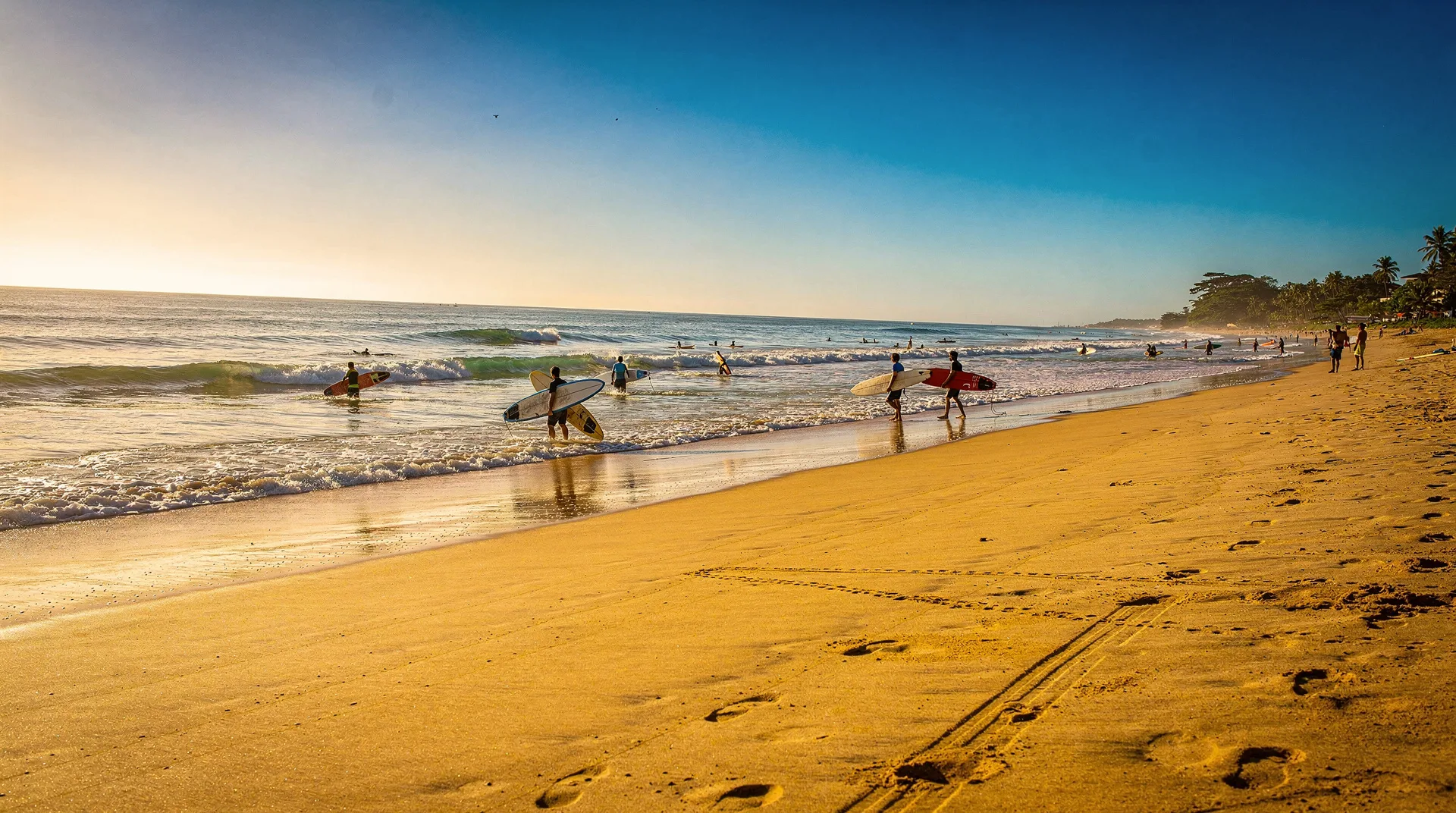
For beach holidays centred on Guanacaste, January is genuinely excellent. The Pacific Ocean is calm, visibility for snorkelling around Playa Conchal and Isla Tortuga is at its best, and surf conditions in Tamarindo and Nosara suit intermediate to advanced surfers with consistent swells out of the northwest.
The flip side: this is the peak of peak season. Hotels in Tamarindo and Conchal book out weeks in advance. A mid-range hotel that costs $90/night in October will run $140-180 in January. Restaurants near popular beaches fill up before 7pm. Reserve everything — flights, accommodation, popular tours — at least 6-8 weeks ahead.
Inland Guanacaste (Rincón de la Vieja, Santa Cruz, the cattle country) mirrors the coast: very dry, hot, and clear.
Pacific central (Quepos, Jacó, Manuel Antonio): textbook dry season
The Central Pacific zone — from Jacó down through Quepos and Manuel Antonio — runs a reliable dry-season pattern in January. Rain is rare, falling perhaps 3-4 days in the month, usually brief afternoon showers rather than full-day rain events.
Temperatures in Manuel Antonio and Quepos hover around 28-32°C during the day, dropping to a comfortable 22-24°C at night. The sea is calm and warm (~28°C), making it ideal for snorkelling, kayaking, and boat tours to the Isla Damas mangroves.
Manuel Antonio National Park is at peak demand in January. The park has a visitor cap (600 people/day), and it sells out on weekends and holidays. Book your park entry online through SINAC at least 72 hours ahead. The park closes every Tuesday, a fact that catches many visitors by surprise.
Wildlife is active year-round here, but January sees great sightings of squirrel monkeys, white-faced capuchins, sloths, and coatis in the dry, open forest.
Manuel Antonio NP: guided tour with entrance fee included — from $60Pacific south (Uvita, Dominical, Drake Bay, Osa Peninsula): wild and quieter
South of Quepos, the southern Pacific gets marginally more rain than the central zone even in January — perhaps 8-12 mm total for the month — but this is still effectively dry season. The key difference is development: fewer mass-tourism hotels, rougher roads (especially toward Drake Bay and Corcovado), and a wildlife experience that feels genuinely wilder.
January is arguably the best time to visit the Osa Peninsula because:
- The dirt roads to Drake Bay and Puerto Jiménez are passable (green season often makes them impassable without a proper 4WD)
- Corcovado’s Sirena station is open and fully operational (it sometimes closes September-November for maintenance)
- Whale watching is active: the December-March humpback season (northern hemisphere whales) is in full swing through January off Uvita and Marino Ballena
For the Osa and Corcovado, January prices are also lower than Guanacaste because this area has fewer mass-market visitors.
Drake Bay: Corcovado NP and Sirena Station tour — from $135Caribbean coast (Tortuguero, Cahuita, Puerto Viejo): rain tapering
The Caribbean operates on a different seasonal pattern than the Pacific. January is not the Caribbean’s dry season — that window falls roughly September-October on the southern Caribbean. However, January does see a significant reduction in rainfall compared to the May-August wetter period, making it one of the better months to visit Cahuita and Puerto Viejo if you accept that rain is possible.
Expect 100-150 mm of rain in Puerto Viejo in January, spread over roughly 15-20 days. These are rarely all-day downpours — often morning sun, afternoon showers, clearing again by evening. The jungle stays lush and green year-round on the Caribbean coast regardless.
Tortuguero sees similar conditions: fewer boats on the canals, excellent birding, and no turtle nesting (that peaks August-September). January is a good off-peak time to visit Tortuguero without the July-August crush.
Central Valley and highlands: cool and comfortable
San José, Cartago, Heredia, and Alajuela experience their most comfortable month in January. The Central Valley’s altitude (1,100-1,500m) means temperatures of 18-25°C year-round, and January adds the dry-season clarity that makes morning views of Poás, Irazú, and Barva volcanoes stunning.
The highland areas — San Gerardo de Dota (1,800-2,500m), Cerro Chirripó (3,821m) — are cold at night in January, sometimes reaching 5-8°C. Quetzal season does not peak until April-June, but January birding in San Gerardo de Dota is excellent for other cloud forest species.
Volcán Poás requires advance reservation through the SINAC online system (book 4 weeks ahead in January — it sells out). Volcán Irazú is more accessible with shorter lead times.
Best activities in January by region
Guanacaste:
- Surfing at Tamarindo and Nosara
- Day trips to Rincón de la Vieja National Park (dry trails, active fumaroles)
- Snorkelling off Playa Conchal and Isla Tortuga boat trips
Central Pacific:
- Manuel Antonio National Park wildlife walks
- Whale watching at Marino Ballena (December-March humpback season)
- Jacó surf lessons (consistent beach break, good for beginners)
Osa and South Pacific:
- Corcovado day hike from Drake Bay (Sirena station open)
- Snorkelling at Caño Island Biological Reserve (best visibility of the year)
- Wildlife walks in private reserves around Drake Bay
Caribbean:
- Snorkelling Cahuita National Park reef (visibility variable but possible)
- Kayaking in Tortuguero canals
- Bribrí indigenous community tours near Puerto Viejo La Fortuna: waterfall, Arenal Volcano and hot springs tour — from $95
What to pack for January
January weather across Costa Rica is warm and mostly dry, but the Caribbean adds humidity regardless of sunshine. Pack accordingly:
- Lightweight, quick-dry clothing for the lowlands (Pacific and Caribbean coasts)
- A fleece or light jacket for Central Valley evenings and highland excursions
- Reef-safe sunscreen — the January sun is intense, especially at the Pacific coast noon
- Sturdy sandals or water shoes for river crossings on Osa Peninsula and Caribbean roads
- A compact rain jacket (even January can produce an afternoon shower, and the Caribbean can be unpredictable)
January price reality check
January is one of the two or three most expensive months in Costa Rica. Budget estimates by style:
| Travel style | Daily budget per person |
|---|---|
| Backpacker (hostels, sodas, public bus) | $55-75 |
| Mid-range (2-3 star hotels, shared shuttles) | $120-180 |
| Comfort (4-star eco-lodges, private transfers) | $250-400 |
| Luxury (Tabacón, Nayara, Lapa Rios) | $500-900+ |
These are higher than May-November (green season) estimates by roughly 30-50% for accommodation. Tour prices are more stable year-round.
Should you visit Costa Rica in January?
January is objectively one of the best months to visit Costa Rica if your priority is weather reliability on the Pacific coast. The main reasons to choose a different month:
- Budget: Green season (May-November, especially May-June and September-October) offers the same activities at 30-50% lower accommodation rates
- Crowd avoidance: January at Manuel Antonio, Arenal, and Tamarindo is genuinely busy — if you dislike queues and packed beaches, shoulder season (November, or late April) offers better balance
- Caribbean focus: If your trip centres on the Caribbean coast (Cahuita, Puerto Viejo, Tortuguero), September-October is actually a better weather window
For first-time visitors who want reliable sunshine, blue skies, and the full range of activities without weather risk, January remains one of the safest choices.
January by region: quick reference
| Region | Rain | Crowds | Standout activity |
|---|---|---|---|
| Guanacaste | near-zero | peak | surfing, snorkelling Isla Tortuga |
| Central Pacific | rare, brief | peak | Manuel Antonio wildlife, whale watching |
| Osa/South Pacific | light | moderate | Corcovado (Sirena fully open) |
| Caribbean | tapering, still frequent | low | quieter Tortuguero birding |
| Central Valley/highlands | minimal | moderate | clear volcano mornings |
If your priority is a specific region rather than the country as a whole, the Guanacaste vs southern Pacific comparison and Manuel Antonio vs Corcovado guide go deeper into which fits your travel style.
Structuring a January trip around the crowds
January’s popularity means the difference between a smooth trip and a frustrating one often comes down to sequencing rather than destination choice. A few practical patterns that work well:
Front-load the reservations that sell out fastest. Manuel Antonio National Park entry, Poás Volcano slots, and premium hot spring evenings (Eco Termales especially) are the three bookings most likely to be unavailable if you wait. Lock these in as soon as your dates are fixed, ideally 6-8 weeks out.
Build in early starts as a crowd-avoidance strategy, not just a weather one. At Manuel Antonio, arriving by 7:30am means both cooler hiking conditions and meaningfully thinner trails — by 10am in January, popular sections can feel genuinely congested.
Consider a shoulder-adjacent base. Staying in the Osa Peninsula or the southern Pacific rather than Guanacaste or Manuel Antonio in January trades a small amount of weather reliability for noticeably lower prices and crowds, while still enjoying excellent dry-season conditions.
Reserve restaurants in popular beach towns. Tamarindo and Manuel Antonio’s road strip fill up by 7pm in January; a same-day reservation at a well-reviewed spot is often not possible without calling ahead.
Frequently asked questions about January weather in Costa Rica
Does it rain at all in Costa Rica in January?
On the Pacific coast (Guanacaste to Manuel Antonio), rain in January is rare — perhaps 2-4 brief showers over the month. On the Caribbean coast and in the highlands, rain is more likely but usually short afternoon showers rather than all-day downpours. Overall, January is Costa Rica’s driest and sunniest month on the Pacific side.
Is January good for Arenal and La Fortuna?
Arenal is good in January but not perfect. The volcano itself is often obscured by cloud regardless of season — the best chance of a clear view is early morning. Canyoning, hiking, and hot springs are all excellent. The main downside is peak-season hotel pricing and crowds at popular spots like the La Fortuna waterfall.
How far ahead should I book January trips to Costa Rica?
At least 6-8 weeks ahead for accommodation in popular areas (Tamarindo, Manuel Antonio, La Fortuna). Manuel Antonio National Park entry must be booked online through SINAC at least 72 hours ahead and often sells out at weekends. Tours and shuttles should be reserved 1-2 weeks ahead.
Is January a good month for wildlife watching?
January is excellent for wildlife across most of Costa Rica. On the Osa Peninsula, Corcovado is fully open and wildlife sightings are consistent. In Manuel Antonio, mammals are active in the dry forest. Bird migration adds northern species to the mix. The Caribbean coast offers good birding year-round. The main gap: sea turtle nesting is over (that peaks July-October).
How hot is Costa Rica in January?
Coastal lowlands reach 30-36°C at midday. The Central Valley (San José, Heredia) stays at a comfortable 20-26°C year-round due to altitude. Highland areas like San Gerardo de Dota can reach 18°C in the day but drop to 8-10°C at night. January nights on the Pacific coast are warm (24-26°C) and pleasant.
Is January a good month for whale watching?
Yes. The December-March humpback whale season (northern hemisphere population) is in full swing through January off Uvita and Marino Ballena National Park. This is separate from the July-November southern hemisphere season, giving Costa Rica two distinct whale-watching windows across the year.
Where to read next for a January trip
Once you know which coast suits your dates, a few companion pages help you turn the weather picture into a plan.
If Guanacaste is your base, the Tamarindo destination page and the Guanacaste beach guide cover where to stay and which beaches suit different travel styles. Surfers can compare spots in the Tamarindo surf guide and check the surf seasons by region page to see how January swell fits their level.
For the central Pacific, the Manuel Antonio destination page and the Manuel Antonio National Park guide explain how the park works day to day. If sloths are the main goal, where to see sloths in Costa Rica lists alternatives to the busiest trails.
Travellers drawn to the volcano country can read about La Fortuna and the Arenal Volcano National Park guide, where dry-season mornings are usually the best time to look for a clear summit. A soak afterwards is easy to add; the hot springs day pass guide compares the options. For wilder scenery in the south, see the Corcovado National Park guide and Drake Bay.
Because January is peak season, logistics matter as much as weather. The driving in Costa Rica guide, the rent a car or not comparison and the internal flights guide help you decide how to move between regions without losing days on the road. If you would rather avoid the crowds altogether, why we still recommend shoulder season and the shoulder season deals guide make the case for travelling a few weeks either side.
Related guides
For a full seasonal comparison, see our best time to visit Costa Rica guide. If you are deciding between regions, our Guanacaste vs southern Pacific comparison helps you match your priorities. The April weather guide covers the last great month before the rains begin.