Guanacaste province travel guide
Guanacaste — Costa Rica's sunniest province. Pacific beach resorts, Rincón de la Vieja volcano, dry forest wildlife, and Papagayo's luxury corridor.
Top experiences nearby
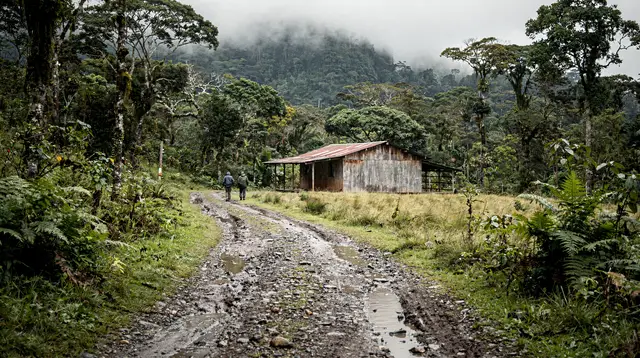
Costa Rica: guided hike in Monteverde Cloud Forest reserve
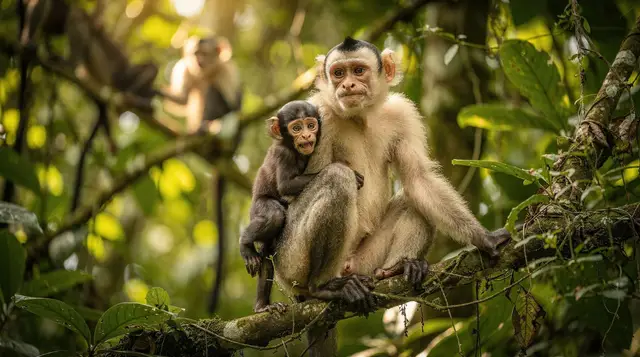
Guanacaste: sloth sanctuary and waterfall adventure
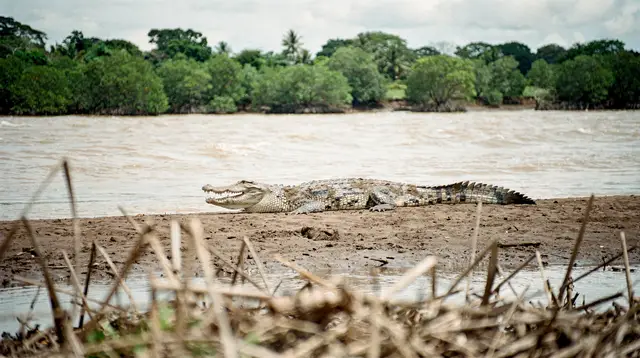
From Guanacaste: Rio Celeste, sloth sanctuary & waterfall
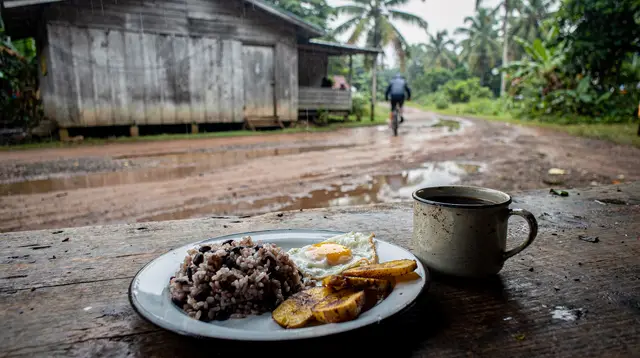
Diamante Eco Adventure Park: Costa Rican cultural experience
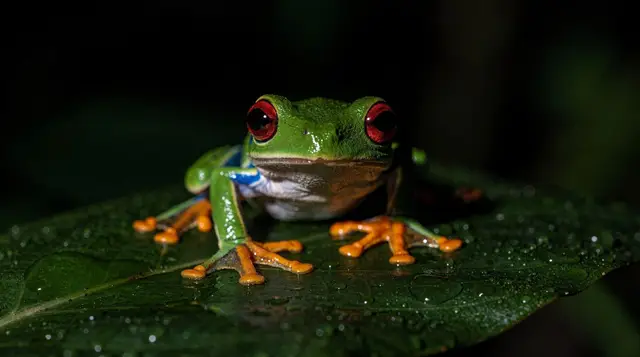
Diamante Eco Adventure Park: wildlife sanctuary pass
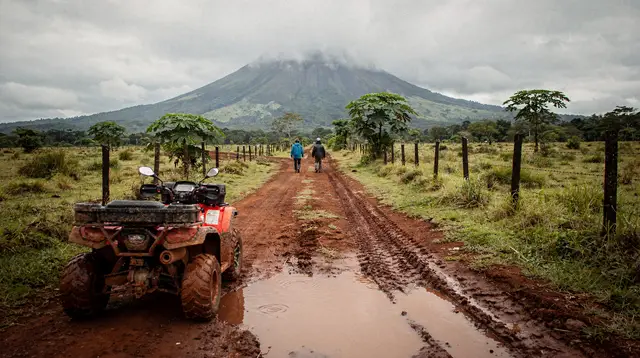
Guanacaste: Diamante Eco Adventure Park day pass with lunch
Quick facts
- Cities and regions
- Liberia (gateway), Tamarindo, Playa del Coco, Nosara, Sámara, Papagayo Peninsula, Guiones
- Best time to visit
- December – April (dry, sunny, ideal); May – Nov green season with afternoon rains
- Getting there
- LIR (Liberia airport) — 1 hr from most beach destinations; SJO also used
- Days needed
- 4-7 days minimum; most resort stays are 5-7 nights
The sun province of Costa Rica
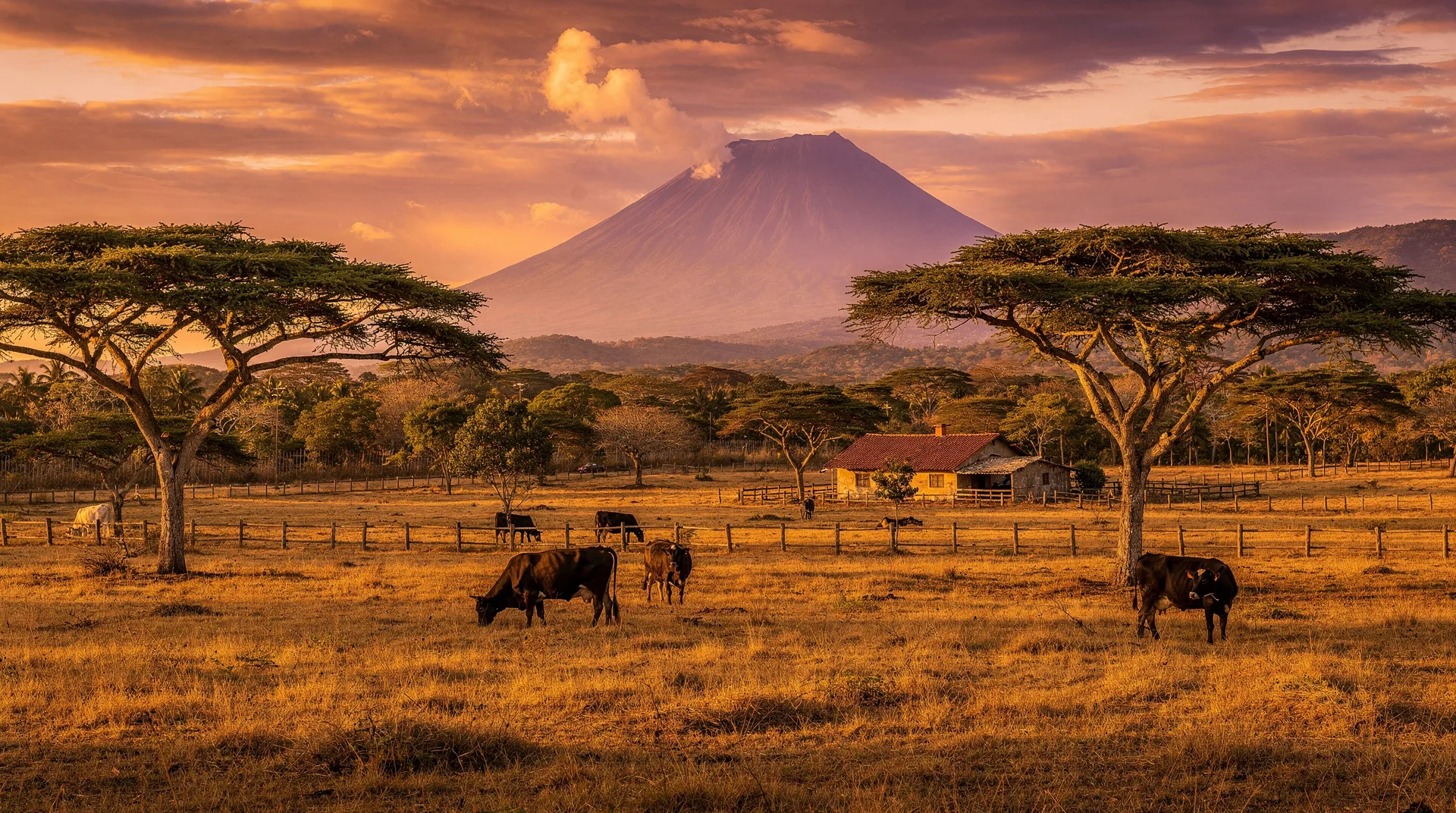
Guanacaste is the province that most first-time visitors to Costa Rica imagine when they picture the country: golden Pacific beaches, dry tropical forest turning amber in the afternoon heat, volcanoes rising above the plains, and a laid-back Tico cowboy culture (the sabanero tradition) rooted in cattle ranching and marimba music. It is the sunniest, driest, and most resort-developed province in the country — and for large stretches of the Pacific beach corridor between December and April, it is pure perfection.
The province covers approximately 10,141 square kilometres of northwestern Costa Rica, bordering Nicaragua to the north and stretching from the Pacific coast to the central mountain ranges. It has two distinct geographic zones: the coastal beach belt running from Playa Jobo in the north all the way to Nosara and Sámara in the south, and the inland volcanic and dry-forest highlands centred on Rincón de la Vieja National Park and the Liberia gateway city.
Flying into Liberia’s Daniel Oduber Quirós International Airport (LIR) puts you within one hour of most Guanacaste beach destinations — one of the key logistical advantages of the province over the Pacific south.
| Where | Northwestern Costa Rica, LIR gateway; beach belt from Playa Jobo to Nosara/Sámara |
| Best for | Beach resorts, surf, volcano hiking, diving, wellness retreats |
| Getting there | LIR — around 1hr to most beaches; SJO is 4-6hrs by road |
| Cost | Around $150-450/day resort; budget beach towns from $60-90/day |
| Best time | December-April (dry, high season); May-Nov green season, lower prices |
The beach belt: from Coco to Tamarindo
The northern Pacific beach corridor — broadly the 80-kilometre stretch between Playas del Coco and Brasilito — concentrates the highest density of resort infrastructure in Costa Rica. This is the Papagayo Peninsula zone, home to the Four Seasons Resort Costa Rica, the Andaz Papagayo, the Planet Hollywood Costa Rica, and dozens of smaller boutique hotels.
Playas del Coco is the liveliest town on the strip — a working fishing port turned budget-friendly beach resort with a raucous bar scene, good diving access to the Catalinas and Bat Islands, and ferry connections to the Gulf. Playas del Coco: sunset sailing and snorkeling tour — from $95 Tortuguero National Park from San José — from $110 offers a sunset sailing and snorkeling tour departing from the bay.
Playa Flamingo and the nearby Playa Brasilito cater to a more upscale crowd — sport-fishing charters, catamaran day trips, and the stunning white-sand Conchal beach (accessed through the Reserva Conchal resort or via a 20-minute walk from Brasilito).
Tamarindo is Guanacaste’s most developed beach town and arguably the surf capital of the province. The main beach has consistent rideable waves year-round, dozens of surf schools, and a sunset estuary boat tour that is one of the province’s most family-friendly wildlife activities. Tamarindo estuary boat tour with naturalist guide — from $45 is the best-rated option. For diving and snorkelling in the Catalinas, Flamingo & Tamarindo: snorkeling at Las Catalinas Islands — from $95 offers a full-day expedition.
Papagayo Gulf diving is a highlight for certified divers — the Catalinas Islands (December-May) bring manta rays, eagle rays, and occasionally huge schools of devil rays. Papagayo Gulf: 2 dives half-day scuba dive tour — from $135 runs half-day two-dive excursions into the Gulf.
Nosara and the Nicoya coast
Nosara, 90 kilometres south of Liberia, is a different creature from the northern beach belt. There are no high-rises here; the municipality has protected its beaches from the commercial development that characterises Tamarindo. Playa Guiones delivers one of Costa Rica’s most consistent beach-break surf spots — intermediate surfers find it ideal year-round — and the town has evolved into a wellness and yoga capital drawing a global community. The Nosara Yoga Institute, Bodhi Tree Resort, and Blue Spirit Retreat Centre are internationally known.
Sámara, further south along the Nicoya coast, is the family-friendly alternative — calmer waters protected by an offshore reef, a walkable town centre, and one of Costa Rica’s most relaxed atmospheres. See the Nosara guide and Sámara guide for detailed coverage.
Choosing your Guanacaste beach base
Guanacaste is large enough that picking the wrong base can cost you hours of driving. Here is how the main options compare for a first-time visitor:
| Base | Vibe | Best for | Trade-off |
|---|---|---|---|
| Tamarindo | Busy, developed | Surf lessons, nightlife, easy logistics | Most crowded, priciest food |
| Playas del Coco | Working port town | Budget diving, low-key nights | Less polished beach |
| Papagayo/Flamingo | Resort corridor | Luxury stays, catamarans | Highest prices, car-dependent |
| Nosara | Wellness, surf | Yoga retreats, quieter surf | Unpaved roads, 4WD needed |
| Sámara | Calm, family | Swimming, relaxed pace | Furthest from LIR (2 hrs) |
Pura vida is not just a phrase here — it is the operating philosophy of Guanacaste’s beach towns, where plans loosen, siestas are respected, and a slow sunset beer is treated as a legitimate agenda item. Visitors chasing a packed itinerary often find the province pushes back gently until they slow down.
Rincón de la Vieja National Park
The interior highland anchoring Guanacaste province is Rincón de la Vieja National Park — an active volcanic complex of nine craters, sulphurous mud pools (barro pots that bubble and pop like lava lamps), fumaroles, emerald pools, and waterfalls. The Las Pailas trail — a 3.5-kilometre loop from the park’s main entrance — passes the most dramatic volcanic features and is one of the most rewarding short hikes in Costa Rica, accessible without a guide.
Adventure operators run full-day passes combining ziplines, waterfall rappelling, a hot spring dip, and the volcanic trail. Rincón de la Vieja: one-day nature pass — from $110 is the benchmark full-day experience. For the comprehensive adventure package combining all activities in a single day pass, Guanacaste: sloth sanctuary and waterfall adventure — from $120 adds a sloth sanctuary visit and waterfall adventure.
The dry forest around Rincón de la Vieja harbours white-tailed deer, coatis, howler monkeys, and white-throated magpie-jays — the province’s signature bird, easily identified by its impossibly long blue tail. Early-morning departures catch the most wildlife activity before the heat builds.
Hacienda Guachipelín, a working cattle ranch at the park boundary, is the most atmospheric base for multi-day exploration — its thermal mud baths and volcanic hot springs are excellent, and the horse programme gives access to trails deeper into the park.
Diamante Eco Adventure Park
Thirty kilometres south of Liberia on the coast, Diamante Eco Adventure Park offers one of Guanacaste’s most family-friendly full-day combinations: a wildlife sanctuary housing rescued sloths, macaws, crocodiles, and exotic cats; a Superman zip-line (one of the longest in the country); ATV tours on beach and forest trails; and a Costa Rican cultural experience with a traditional lunch. Guanacaste: Diamante Eco Adventure Park day pass with lunch — from $135 covers the full day pass with lunch included.
Climate, logistics, and transport
Guanacaste’s dry season (December through April) produces reliably sunny skies, low humidity, and ideal conditions for beach activities. This is also the province’s high season — prices at Papagayo resorts rise 30-50% and reservations are essential.
The green season (May through November) brings afternoon rains and significantly lower prices. Mornings are typically clear and perfect for outdoor activities; the rains arrive around 2-4pm and usually clear by evening. The landscape transforms dramatically — the dry savannas turn emerald green, and wildlife activity (birds nesting, monkeys with young) increases.
Getting around: LIR airport is connected by shuttle to most beach towns — Tamarindo ($60-80 per person, 1 hour), Playas del Coco ($40, 40 minutes), Nosara ($80-90, 2 hours via unpaved road). Renting a car gives maximum flexibility; a 4WD is strongly recommended for Nosara and any destination on unpaved coastal roads. The road to Nosara includes river crossings in the rainy season that require caution.
For choosing between LIR and SJO airports, the airport choice tool lets you input your itinerary destinations to determine the best airport. The Guanacaste beach guide covers the full beach-by-beach breakdown with travel times from both airports.
Frequently asked questions about Guanacaste province
Should I fly into Liberia (LIR) or San José (SJO) for a Guanacaste holiday?
For a trip focused primarily on Guanacaste beaches (Tamarindo, Flamingo, Coco, Papagayo, Nosara), LIR is dramatically more convenient — 1 hour to most destinations versus 5-6 hours from SJO. For multi-region itineraries combining Guanacaste with Arenal, Manuel Antonio, or the Caribbean, SJO gives better central positioning. Check flight availability from your origin to both airports; LIR has expanded significantly with direct routes from the US and Canada.
Which Guanacaste beach is best for families?
Playa Conchal and Playa Hermosa (Guanacaste) have calmer waters and are typically ranked safest for young swimmers. Playa Sámara (on the Nicoya coast, further south) is another excellent choice with a natural reef protecting the bay. Tamarindo’s main beach has variable riptide conditions — check flags before letting children swim.
Is Rincón de la Vieja park worth the trip from the beach?
Absolutely. The Las Pailas volcanic trail is unlike anything on the beach strip — bubbling mud pools, fumaroles, and a genuine active volcano environment that most Guanacaste resort visitors never see. The 45-minute drive from Liberia or 90 minutes from Tamarindo is easy on paved road. Plan a full day and bring rain gear; the cloud forest sector of the park can receive sudden showers at any time of year.
What is the best way to see wildlife in Guanacaste?
The dry season concentrates wildlife around remaining water sources, making viewings more reliable. Rincón de la Vieja is outstanding for mammals and birds. The Palo Verde National Park (in Guanacaste’s interior, near Bagaces) is one of Costa Rica’s best destinations for waterbirds December through March. Tamarindo estuary boat tours reliably produce crocodile, iguana, and bird sightings.
Is Guanacaste good for scuba diving?
Yes — particularly for those willing to make day trips to the Catalinas Islands (December through May for manta rays) or Bat Islands (year-round for bull sharks, advanced divers only). The Gulf of Papagayo also has accessible dive sites with good coral and fish diversity. Visibility averages 10-20 metres during dry season, lower during the rainy months. Dive centres in Playas del Coco are the most established in the province.
How many nights should I split between Guanacaste’s beaches?
Most itineraries work best with one base rather than beach-hopping, since driving times between towns add up quickly. If you do want two bases, pair a livelier stretch (Tamarindo or Coco) with a quieter one (Nosara or Sámara) and budget a half-day for the transfer. Trying to see Papagayo, Tamarindo, and Nosara in under a week usually means more time in the car than on the sand.
Is Guanacaste too touristy compared to the rest of Costa Rica?
Parts of it, yes — the Papagayo-to-Tamarindo corridor is Costa Rica’s most resort-dense stretch. But the province is large, and Nosara, Sámara, and the Rincón de la Vieja interior still feel unhurried. Pairing a couple of nights on the beach belt with the volcanic interior gives a more balanced picture than staying exclusively at a resort.
Where to go next
From Guanacaste province, the most common transitions are south toward Puntarenas province (Monteverde, Manuel Antonio, Nosara-Santa Teresa corridor) and north toward Nicaragua for border crossings at Peñas Blancas. Liberia is both the provincial capital and the main transit hub for day trips to Rincón de la Vieja and onward connections to La Fortuna via Route 4.