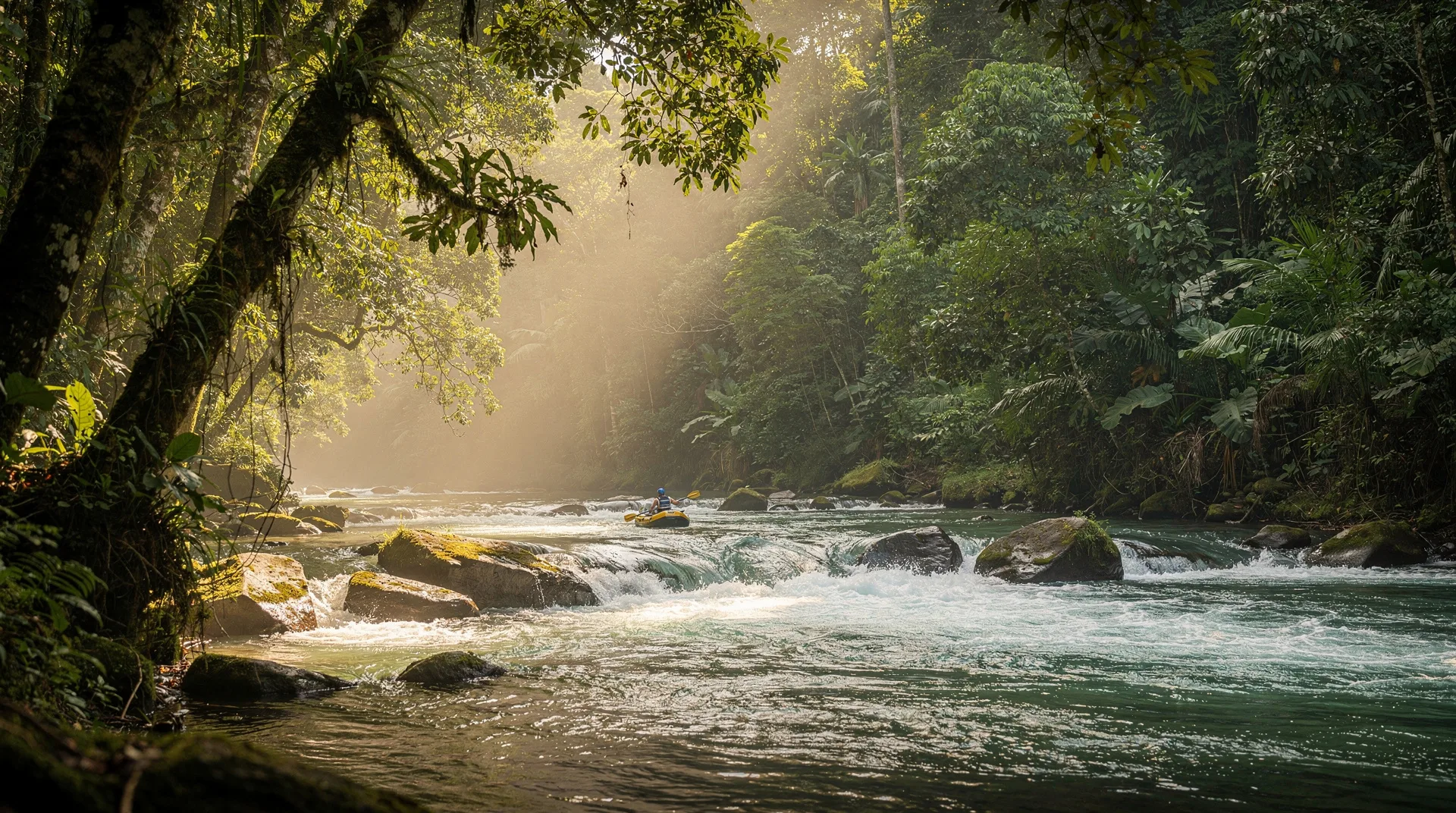
Sarapiquí — jungle rafting, pineapple farms, and rainforest lodges close to San José
Sarapiquí offers Class II-IV rafting, world-class birding lodges, and rainforest immersion just 90 minutes from San José on the Caribbean foothills.
Top experiences nearby
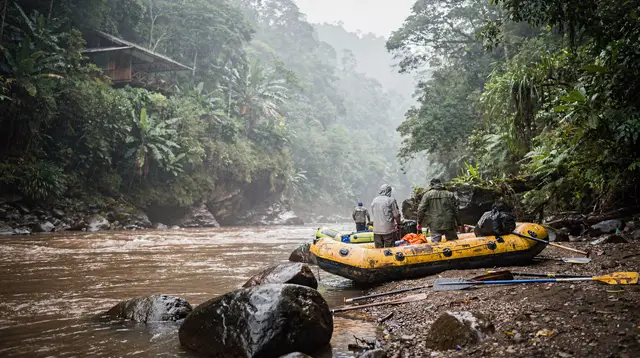
Rafting Class 3-4 "Jungle Run": Río Sarapiquí
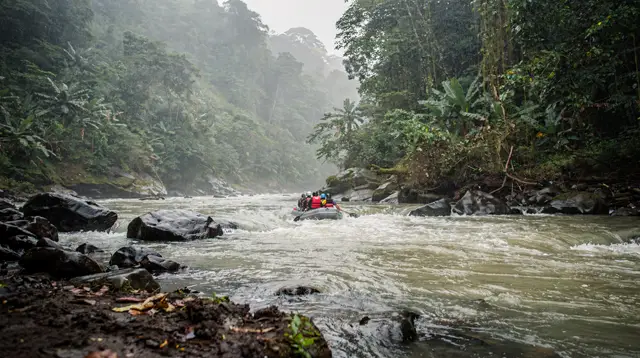
Arenal: rafting Sarapiqui River day tour Class II-III
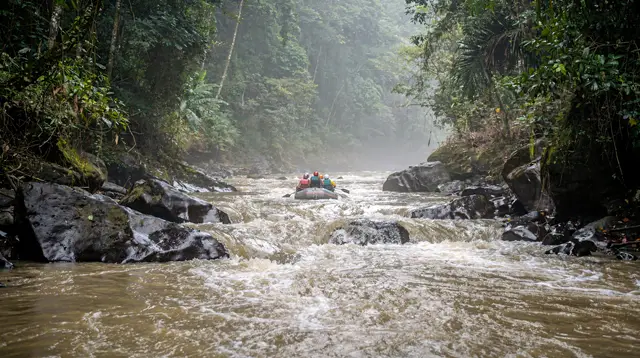
La Fortuna/Arenal: rafting Class III & IV at Sarapiquí River
La Fortuna: Sarapiqui rafting to San José
Quick facts
- Best time to visit
- Year-round; river rafting best December to April and September to October
- Days needed
- 1 to 2 days
- Getting there
- 80 km from San José — 1.5 to 2 hours via Braulio Carrillo National Park
- Budget per day
- USD 60 to 180
The rainforest valley that surprises people
Sarapiquí is a district rather than a single town — centered on the small city of Puerto Viejo de Sarapiquí (not to be confused with Puerto Viejo de Talamanca on the Caribbean coast), this zone covers the Caribbean foothills of the Cordillera Central where the forest changes from the dry highlands of San José to the wet lowland jungle of the northern Caribbean plain. The Río Sarapiquí, which gives the region its name, drains these hills north toward the San Juan River on the Nicaraguan border.
The Braulio Carrillo National Park forms Sarapiquí’s southern boundary — the park covers the mountain pass between San José and the valley, and the highway through it (Route 32 via the Zurquí Tunnel) provides the main access route. The drive from San José takes 1.5 to 2 hours through dramatic highland cloud forest that descends into lowland jungle. This transition alone is worth the drive.
Sarapiquí is not a destination that requires a long stay. It rewards a night or two at one of the region’s exceptional jungle lodges, a morning of rafting, and a botanical garden visit — a focused experience that works well as a San José extension or a transit point toward Tortuguero.
Rafting the Río Sarapiquí
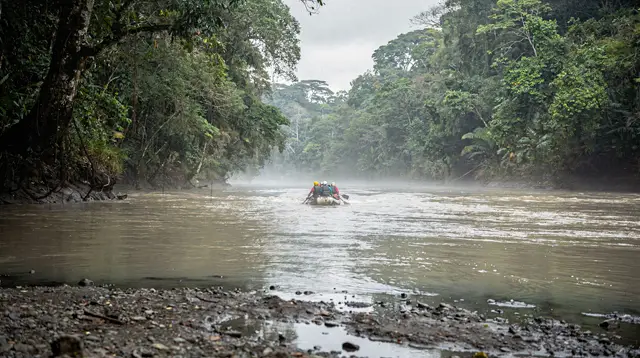
The Sarapiquí offers two distinct experiences. The upper section (Class III-IV, “Jungle Run”) is the more technical option — turbulent water through a steep river canyon with limited road access, creating a wilderness feel unusual for a river this close to San José. The lower section (Class II-III) is accessible and appropriate for families and first-time rafters.
The Jungle Run Class III-IV section is the option for paddlers who want genuine challenge without the commitment of a multi-day Pacuare River expedition.
Rafting Class 3-4 "Jungle Run": Río Sarapiquí — from $95The Class II-III day tour from the La Fortuna area covers the lower Sarapiquí section and works well for mixed-ability groups or travelers combining rafting with a transit between the Caribbean foothills and the Arenal zone.
Arenal: rafting Sarapiqui River day tour Class II-III — from $85For the most accessible booking format, the Heredia-based rafting operation runs from the zone itself and provides the shortest logistics for San José-based travelers.
Sarapiqui River Rafting — from $90The Sarapiquí sections are all day-trip accessible from San José — no overnight needed for the rafting alone, though staying in the valley enhances the experience significantly.
Wildlife and birding
Sarapiquí’s lowland rainforest is among the most productive birding zones in Costa Rica. Selva Verde Lodge maintains a private reserve adjacent to the Braulio Carrillo park boundary and employs resident naturalist guides — the birding list here exceeds 460 species including great green macaw (critically endangered), keel-billed toucan, chestnut-mandibled toucan, and multiple kingfisher species along the river. Boat tours on the Río Sarapiquí — sitting and drifting through the forest — produce some of the region’s best wildlife viewing without any walking required.
La Selva Biological Station (Organization for Tropical Studies) admits day visitors for guided walks through 1,600 hectares of protected rainforest. La Selva is a working research station with one of the most comprehensive biodiversity datasets in the tropics; the guides are scientists or trained naturalists, not standard tour guides. Advance booking required (USD 35 to 45 per person for the guided walk). The wildlife photography itinerary includes a Sarapiquí stop for exactly this reason.
For travelers who want to track the route of one of the world’s most important wildlife monitoring programs, La Selva is worth the advance planning.
Banana and pineapple culture
The lower Sarapiquí valley transitions from forest into one of the most intense agricultural zones in Central America — thousands of hectares of pineapple and banana under cultivation for export to North America and Europe. The banana plantation tours, which operate in the zone near Guápiles (Route 32 corridor), show the full production chain from planting to washing and boxing. Dole and Chiquita both have operations in this zone; smaller independent cooperatives also offer tours.
This is genuinely interesting industrial agriculture if you approach it with curiosity rather than expecting eco-tourism. The logistics of refrigerated shipping for a fruit sold globally for less than a dollar are remarkable to observe at source.
The botanical gardens
Heliconia Island, 15 minutes from Puerto Viejo de Sarapiquí, maintains an exceptional heliconia and tropical flower collection on a river island — accessible by a short boat crossing. The gardens are private and well-maintained, with around 70 heliconia species and associated wildlife (hummingbirds are relentless). This is a 1 to 2-hour visit, best combined with a morning on the river.
La Quinta de Sarapiquí, nearby, combines botanical gardens with a working butterfly garden, frog collection, and the best restaurant in the valley (USD 15 to 25 per person for lunch with river view).
Sarapiquí vs Arenal rafting: which to choose
Travelers deciding where to raft near the Central Valley/Caribbean corridor often compare Sarapiquí against the more famous La Fortuna/Arenal rafting options.
| Sarapiquí | La Fortuna (Arenal area) | |
|---|---|---|
| Distance from San José | 1.5–2 hrs | 3 hrs |
| Rapid class | II–III (lower), III–IV (Jungle Run) | Mostly II–III on nearby rivers |
| Scenery | Dense lowland rainforest, canyon walls | Volcano views, forested valley |
| Best paired with | La Selva birding, Tortuguero transit | Hot springs, volcano tours |
Sarapiquí is the practical choice for travelers based in or transiting through San José who want genuine white-water without a long drive, and it pairs naturally with a birding stop or a Caribbean-bound journey. La Fortuna suits travelers already staying in the Arenal area who want to add rafting to a volcano-and-hot-springs itinerary rather than making a special trip.
Zip-lining and canopy options
While rafting and birding dominate Sarapiquí’s reputation, several lodges and independent operators run smaller-scale canopy tours through the reserve forest — a quieter, less crowded alternative to the larger commercial zip-line parks near La Fortuna or Monteverde. These tours tend to emphasise wildlife spotting from the platforms (toucans and monkeys are commonly seen mid-canopy) over adrenaline, with shorter cable runs and a more naturalist-guide-led pace. They make sense as a half-day add-on for travelers who have already done a longer canopy tour elsewhere and want the Sarapiquí version for the wildlife angle rather than the thrill.
Where to stay
The jungle lodge options in Sarapiquí are exceptional for the price and represent some of the best wildlife accommodation within easy range of San José. The family eco-lodges guide includes Selva Verde as a recommended family destination.
Selva Verde Lodge: 40 minutes north of Puerto Viejo on the Río Sarapiquí, in a 400-acre private reserve. Excellent wildlife, professional guides, comfortable cabins and riverfront bungalows (USD 100 to 160 per person, including meals). The standard is consistently higher than the price suggests. Posada Andrea Cristina: A smaller, family-run eco-lodge with excellent guided walks and personal service (USD 70 to 90 per person with breakfast). Tirimbina Rainforest Center: Combines research station with eco-lodge accommodation and a suspension bridge over the river through intact rainforest (USD 80 to 120).
Getting there
By car from San José: 80 kilometers via Route 32 through the Braulio Carrillo tunnel, then north on Route 4 to Puerto Viejo de Sarapiquí. The route is fully paved, well-maintained, and takes 1.5 to 2 hours depending on traffic in the San José area. By bus: regular service from San José’s Gran Terminal del Caribe to Puerto Viejo de Sarapiquí, about 2 hours.
Important: The Braulio Carrillo highway passes through a fog-prone mountain zone. Drive carefully in the section between the Zurquí Tunnel and the descent to Guápiles — sharp curves, possible fog, and frequent heavy rain. The road is safe in dry season; in the wet season, fog and landslides on the steeper sections above Guápiles are occasional hazards.
Frequently asked questions about Sarapiquí
Is the Sarapiquí suitable for first-time rafters?
The Class II-III lower section is appropriate for first-timers aged 10 and above in normal water conditions. The Class III-IV Jungle Run requires some prior experience or physical confidence — it is not categorically beginner-level, though skilled guides manage groups well. If in doubt, start with the lower section and assess from there.
How does Sarapiquí compare to the Pacuare for white-water?
The Pacuare is in a different league for length (28 km canyon section), wilderness feel, and overall experience quality. The Sarapiquí Jungle Run rivals it in rapids technical difficulty but does not have the same degree of isolation or scenery. For a full-day river expedition, Pacuare is the better choice; for a half-day accessible from San José, the Sarapiquí Class III-IV is excellent.
Is Sarapiquí good for birding?
Yes — it is one of Costa Rica’s top five birding destinations. The combination of primary forest (La Selva, Selva Verde, Braulio Carrillo) and edge habitat along the river produces extraordinary species diversity. The great green macaw, increasingly rare across Central America, is regularly recorded here. Early morning (5:30 AM to 8:00 AM) boat tours on the river are particularly productive.
Can I see poison dart frogs in Sarapiquí?
Yes. Multiple species of poisonous dart frogs (Dendrobatidae) inhabit the leaf litter and stream edges in the lowland forest — the blue jeans frog (Oophaga pumilio) is particularly vivid and encountered regularly on guided walks at Selva Verde and La Selva. Night walks add more amphibian species including red-eyed tree frogs.
Is Sarapiquí a good base for reaching Tortuguero?
Somewhat — Puerto Viejo de Sarapiquí is connected to the northern Caribbean canal system via the Río Sarapiquí, which flows into the San Juan and connects south to Tortuguero. However, this water route is not the standard tourist access to Tortuguero. The practical route to Tortuguero remains via San José or via the dock at La Pavona/Cariari. From Sarapiquí, the Caribbean coast is accessible but requires 2 to 3 additional hours of travel.
How to fit Sarapiquí into your itinerary
Two days covers everything: Day 1 at a jungle lodge with an afternoon river boat tour and birding walk; Day 2 morning rafting (Class II-III or III-IV) followed by Heliconia Island or La Selva before returning to San José. As a transit point between San José and the Caribbean coast, Sarapiquí adds a worthwhile overnight without significantly extending the journey. For wildlife-focused travelers, the 14-day wildlife photography itinerary includes Sarapiquí after Tortuguero.