Alajuela province travel guide
Alajuela province spans SJO airport and La Fortuna to Caño Negro wetlands — Costa Rica's most visited province for volcanoes, hot springs, and wildlife.
Top experiences nearby
Poás Volcano active crater, La Paz Waterfall & birdwatching
La Fortuna: waterfall, Arenal Volcano and hot springs tour
La Fortuna: Arenal Volcano, lunch & hot springs morning tour
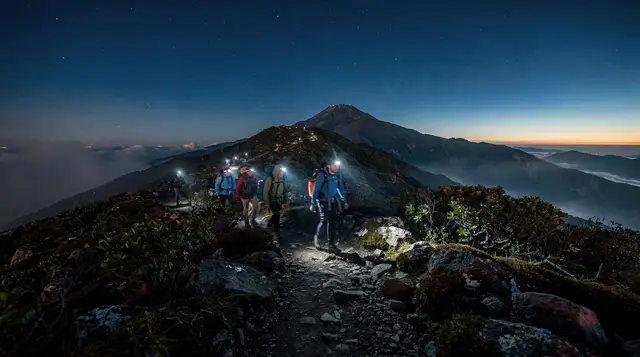
From La Fortuna: Arenal Volcano & hot springs afternoon tour
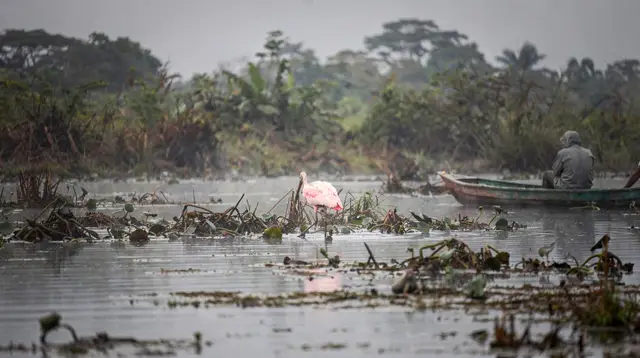
La Fortuna: Arenal Volcano rainforest night tour
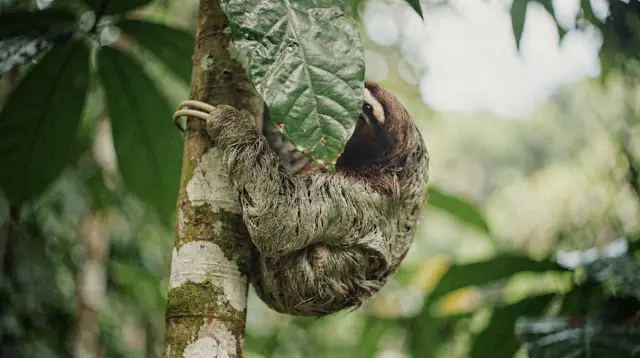
From La Fortuna: Mistico Arenal hanging bridges park tour
Quick facts
- Cities and regions
- Alajuela city, La Fortuna, Naranjo, Upala, Los Chiles, Ciudad Quesada (San Carlos)
- Best time to visit
- December – April (dry Pacific side); Caño Negro best December – March
- Getting there
- SJO airport is in Alajuela; La Fortuna is 3 hrs by car
- Days needed
- 3-4 at La Fortuna; 1 at Poás; 1-2 at Caño Negro
Costa Rica’s most visited province
Alajuela province is where most international visitors to Costa Rica first touch down. Juan Santamaría International Airport (SJO) sits within Alajuela city limits, making this sprawling province of nearly 10,000 square kilometres the literal entry point to the country for the majority of travellers arriving from North America and Europe.
But Alajuela is far more than an airport suburb. It contains some of Costa Rica’s most iconic natural landmarks — the Arenal Volcano, the Poás Volcano crater, the cascades of La Paz Waterfall Gardens, the coffee fields of the Doka Estate, the thermal waters of the Tabacón and Baldí hot springs, and the remote wetlands of Caño Negro on the Nicaraguan border. The province is divided into fifteen cantons and stretches from the hot, humid lowlands of the Northern Zone (Zona Norte) around Los Chiles and Upala, through the coffee highlands of Naranjo and Palmares, up to the volcano peaks and cloud forests around La Fortuna and Ciudad Quesada (locally called San Carlos).
| Airport | SJO (Juan Santamaría) sits inside Alajuela city |
| Top draws | Arenal Volcano, Poás crater, Caño Negro wetlands, Doka coffee |
| La Fortuna from SJO | Around 3 hrs by car or shuttle |
| Poás from SJO | Around 1 hr by car |
| Budget | Around $60-150/person per day mid-range; hot springs resorts push it higher |
La Fortuna and the Arenal area
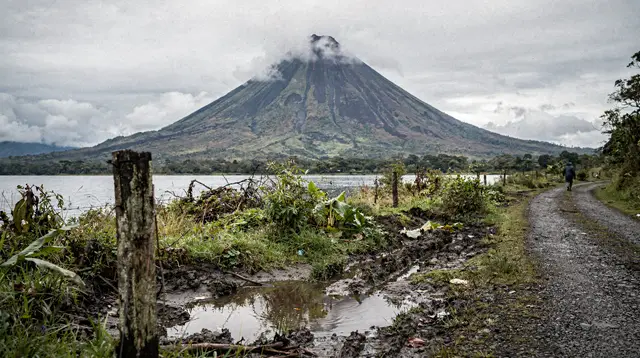
La Fortuna is the undisputed activity hub of Alajuela province and arguably the most action-packed destination in all of Costa Rica. The small town sits at the base of the Arenal Volcano — a perfect cone that last erupted in 2010 and remains classified as active — and serves as the launch point for hot springs, hanging bridges, canyoning, white-water rafting, ziplining, and dozens of guided natural history tours.
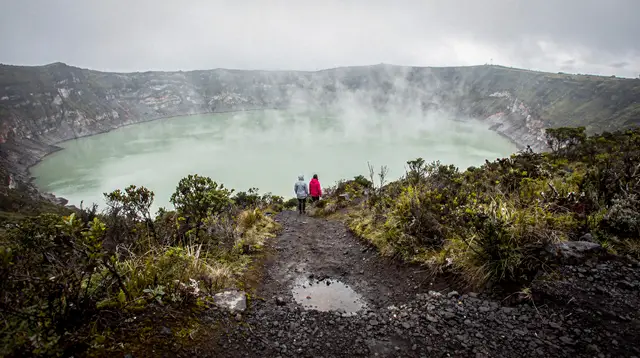
The most popular morning combination is a guided walk through the Místico hanging bridges park followed by a visit to one of the hot spring resorts. For a full volcano-plus-waterfalls experience, La Fortuna: waterfall, Arenal Volcano and hot springs tour — from $95 is the benchmark tour, covering the La Fortuna Waterfall, the volcano viewpoint, and a hot springs session in a single 8-hour day.
The town itself has expanded dramatically in the last decade. Budget guesthouses coexist with boutique hotels; the Tabacón Grand Spa and the Nayara Springs represent the premium end of the market (rooms from $350-600 per night). Backpackers find dorm beds for $15-20 at hostels near the central park.
Poás Volcano
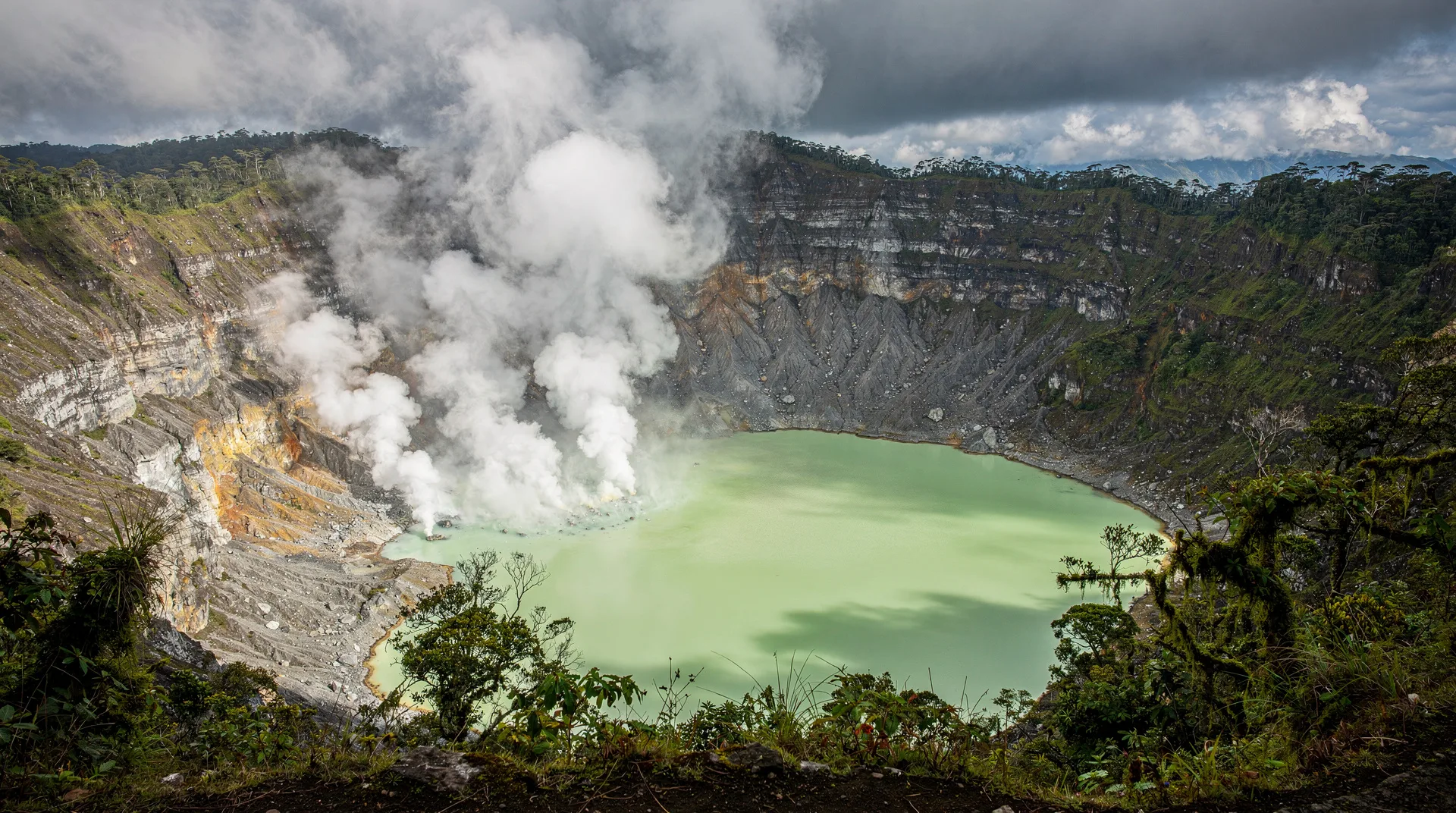
Poás Volcano (2,708 m) is one of Costa Rica’s most accessible craters — a paved road leads to within 100 metres of the rim. But access is strictly managed by SINAC: a mandatory online reservation system limits daily visitors to around 2,000, and tickets sell out weeks in advance during the dry season. Book at sinac.go.cr, typically four to six weeks ahead for January through April visits.
The crater itself contains a turquoise-green sulphurous lake that has been known to emit geyser-like eruptions — activity spiked in 2017 and some trails remain restricted. The visitor experience combines the main crater viewpoint (allow 1-2 hours), the cloudforest trail around the secondary Botos Lagoon, and the well-designed museum on volcanic geology. Arrive before 9am for the best visibility before afternoon clouds roll in.
The road from San José to Poás passes through Alajuela city and then climbs through strawberry farms and dairy highland. Combining Poás with a coffee plantation stop and La Paz Waterfall Gardens makes for a full-day loop. From San José: Poás Volcano, Café Doka and La Paz Waterfalls — from $135 covers all three with hotel pick-up from San José.
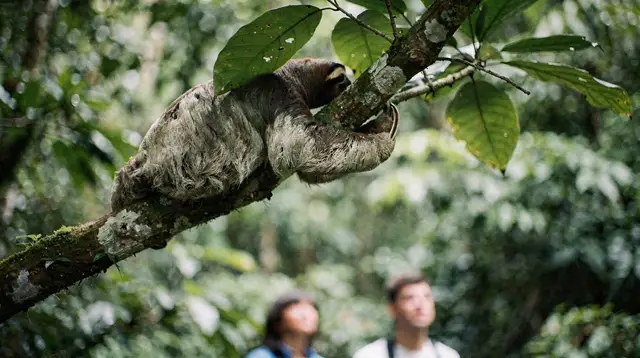
For those who want birding woven into the volcano visit, Poás Volcano active crater, La Paz Waterfall & birdwatching — from $140 adds birdwatching with a specialist guide — the transition forest around Poás hosts toucanets, quetzals, and several cloud-forest specialties.
Coffee country: the Doka Estate and Alajuela highlands
Alajuela province contains some of Costa Rica’s most important coffee-growing terrain. The slopes between Alajuela city and the base of Poás are carpeted with Coffea arabica plants at elevations of 1,200-1,600 metres — the sweet spot for Costa Rican specialty coffee production.
The Doka Estate, a working plantation near Sarchí, offers the most structured and informative visitor experience in the region. The guided tour follows the bean from cherry picking through washing, drying, hulling, and roasting, with a tasting session at the end. Alajuela: coffee plantation guided tour with tasting — from $60 runs roughly 2.5-3 hours and costs around $60 per person including the tasting.
The artisan village of Sarchí, 45 minutes northwest of Alajuela, is worth a stop for its hand-painted oxcart workshops — the painted oxcart is one of Costa Rica’s UNESCO-listed cultural expressions, and Sarchí produces the originals.
Caño Negro Wildlife Refuge
In the far northwest of the province, near the Nicaraguan border, the Caño Negro National Wildlife Refuge protects a vast system of rivers, lagoons, and wetlands that flood seasonally to create one of Costa Rica’s most important waterbird habitats. See the dedicated Caño Negro destination guide for full practical details.
The nearest access town is Los Chiles, 4 hours north of San José via Ciudad Quesada. From La Fortuna, the drive is about 2.5 hours. Many visitors combine Caño Negro with a night in La Fortuna. Caño Negro: rivers and lagoons bird, flora and fauna tour — from $95 operates river boat tours through the refuge’s lagoon system.
La Paz Waterfall Gardens
Located on the eastern slope of Poás Volcano, La Paz Waterfall Gardens is the most-visited private nature park in Costa Rica — a combination of five waterfalls, butterfly observatory, hummingbird garden, jaguar sanctuary, and sloth habitat arranged along a trail system. Entry costs around $50 for adults, $30 for children under 12 (2026 prices). The scale is impressive but the experience is thoroughly curated for families and group tours rather than independent naturalists.
The park sits at about 1,500 metres elevation; bring a light jacket. The Peace Lodge on-site is one of Costa Rica’s most photographed lodges — rooms run $300-500 per night — but the main park is worth the day-trip admission even without staying.
Choosing between Poás and La Fortuna if time is short
Travellers with only two or three days in Alajuela province often ask which to prioritize. It depends on what you’re after:
| Poás Volcano | La Fortuna / Arenal | |
|---|---|---|
| Time needed | Half day from San José | 2-4 days properly |
| Effort | Minimal — paved road to the rim | Moderate — hikes, ziplines, hot springs to fit in |
| Best for | A dramatic crater view en route elsewhere | A full adventure base with variety |
| Booking pressure | High in dry season (SINAC caps daily visitors) | Low — hotels and tours book same-week |
| Combine with | Doka coffee, La Paz Waterfall Gardens | Caño Negro, Monteverde (via Lake Arenal crossing) |
For a fuller comparison including Irazú, the Arenal vs Poás vs Irazú guide breaks down all three volcanoes side by side. Most itineraries that combine La Fortuna with Monteverde use the Lake Arenal boat-taxi-boat crossing rather than the longer road route around the lake — ask your hotel to arrange it a day ahead, as seats fill up.
For an evening alternative to the crowded daytime circuits, a guided night walk on Arenal’s forest trails turns up frogs, sleeping birds, and the occasional kinkajou that the daytime tours never see.
Arenal Volcano night wildlife walk from La Fortuna — from $60Getting around Alajuela province
The province is logistically straightforward: SJO airport is the hub, the Pan-American Highway runs through Alajuela city, and Route 1 climbs northwest toward Ciudad Quesada and La Fortuna. A rental 4WD is strongly recommended for most routes beyond the highway. The drive from SJO to La Fortuna takes 3 hours in normal traffic; to Poás Volcano, about 1 hour; to Caño Negro from La Fortuna, 2.5 hours.
Shuttle services from San José to La Fortuna are frequent and reliable ($45-55 per person); see the shuttle overview guide for options. Local buses to Ciudad Quesada (Tuasa) from San José’s Atlantico Norte terminal run hourly; from Ciudad Quesada, connections to La Fortuna and Los Chiles operate throughout the day.
For planning a complete Northern Zone circuit, combine La Fortuna with Caño Negro as a two-day sub-trip, then cross west into Guanacaste province via Route 4 toward Liberia. The rent-a-car guide covers whether you need 4WD for the Poás and La Fortuna routes.
Frequently asked questions about Alajuela province
Is Alajuela city worth staying in versus San José?
Alajuela city is a more relaxed alternative to downtown San José for a transit night. It is 15-20 minutes from SJO airport, has a pleasant central park shaded by mango trees (hence its nickname “the city of mangoes”), and prices are slightly lower than San José hotels. Several good midrange hotels cluster within walking distance of the park.
Can I do Poás Volcano and La Fortuna in the same trip?
Yes — this is one of the most natural pairings in Costa Rica. Most travellers visit Poás on the way from SJO to La Fortuna (it adds about 1-2 hours to the journey), or as a day trip from La Fortuna heading back toward the airport. You cannot cover the Poás-La Paz-Doka circuit and reach La Fortuna the same evening without rushing; better to spend a morning at Poás and continue to La Fortuna in the early afternoon.
Do I need a guide at Poás Volcano?
No — the main viewpoint and Botos Lagoon trail are self-guided. However, a knowledgeable guide adds context to the volcanic geology and helps spot birds in the cloud forest around the caldera. If your primary interest is natural history rather than simply checking off the crater, a guided tour is worthwhile.
When is the best time to visit Caño Negro?
December through March is the dry season in the Northern Zone. Water levels drop and birds concentrate around remaining lagoons, making wildlife sightings more reliable. From May onwards, flooding disperses wildlife across a wider area; boat tours still operate but sighting density decreases.
How many nights should I spend in Alajuela province overall?
Most itineraries spend 3-4 nights based in La Fortuna, plus a half-day for Poás en route from or to the airport — Caño Negro is usually added as a day trip rather than an overnight stop unless birding is the trip’s main focus. Travellers short on time sometimes do Poás as a same-day airport departure stop rather than a dedicated morning, but that only works with an evening flight.
Where to go next
From Alajuela province, the most natural transitions are La Fortuna for volcano and adventure activities, Heredia province and Sarapiquí for rainforest and rafting, Cartago province for the Orosi Valley and Irazú, and Caño Negro for a true wetland wildlife detour.