Cartago province travel guide
Cartago province — Costa Rica's former colonial capital, Irazú Volcano, the Orosi Valley loop, Turrialba volcano, and Pacuare River rafting.
Top experiences nearby
Quick facts
- Cities and regions
- Cartago city, Turrialba, La Unión, Orosi, Paraíso
- Best time to visit
- December – April for clearest Irazú views; Pacuare rafting year-round
- Getting there
- 30 min east of San José by car; 45 min by bus from Terminal Cartago
- Days needed
- 1 day Orosi Valley + Irazú; 2-3 days if adding Turrialba and Pacuare
Costa Rica’s first capital and its volcanic hinterland
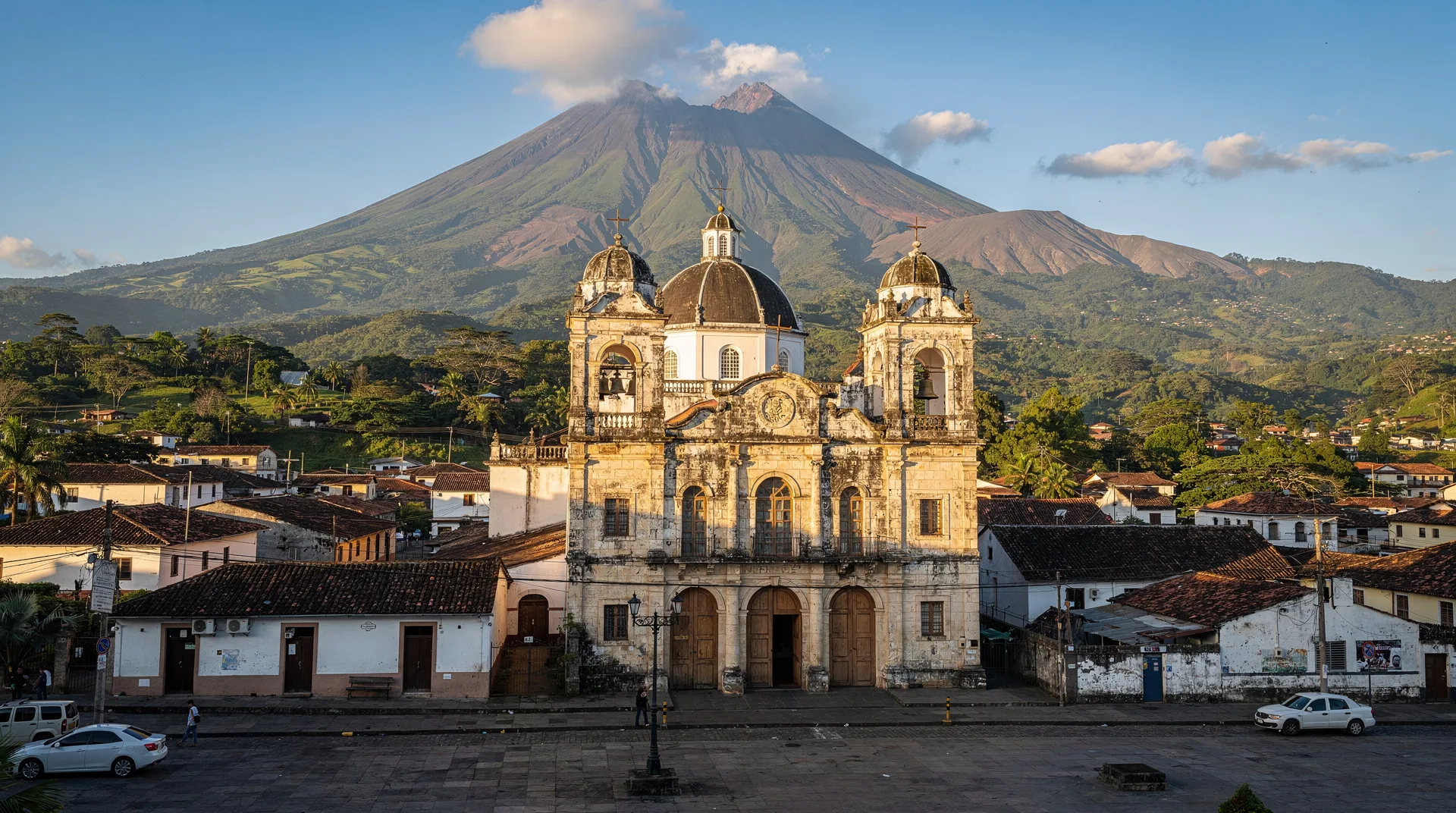
Cartago province occupies the eastern Central Valley and the volcanic flanks that rise above it — a compact, historically rich territory that most international visitors cover only as a day trip from San José, if they visit at all. This is a mistake. Cartago contains three of Costa Rica’s most rewarding single-day experiences: the Irazú Volcano crater with its dual-ocean views, the Orosi Valley coffee-and-church loop, and the Guayabo National Monument — the country’s most significant pre-Columbian archaeological site.
Beyond the valley, the province extends eastward into steeper, less-travelled terrain: Turrialba, the base for Class III-IV Pacuare River rafting, and the flanks of Turrialba Volcano, whose recent eruptive activity has periodically closed the summit to visitors. Cartago is the only province in Costa Rica where you can combine colonial architecture, a 3,431-metre volcano, an Orosi Valley coffee farm, an ancient indigenous ruin, and a world-class whitewater river in a two-day circuit.
| Where | Eastern Central Valley, 30 min from San José |
| Top draws | Irazú Volcano, Orosi Valley, Guayabo ruins, Pacuare rafting |
| Cost | Around $60-150/day depending on rafting/activities |
| Getting there | 30 min by car; 45 min by bus from Terminal Cartago |
| Best time | December to April for clear Irazú views; rafting year-round |
Cartago city: the former colonial capital
Cartago was founded in 1563 and served as Costa Rica’s capital until 1823, when the government relocated to San José following independence. Earthquakes in 1822 and 1910 destroyed most of the colonial structures, leaving the city with a somewhat melancholic character — most famously embodied by Las Ruinas, the roofless shell of a cathedral that was being constructed when the 1910 earthquake struck. The ruins have been preserved as a garden park and are one of the province’s most photographed landmarks.
The Basílica de Nuestra Señora de los Ángeles, rebuilt following the 1926 earthquake, is Central America’s most important Catholic pilgrimage site. On August 2nd each year, hundreds of thousands of Costa Ricans walk the 22 kilometres from San José to the Basílica in the Romería — one of the country’s most extraordinary cultural events. The adjacent spring and its small black stone figure (La Negrita) draw visitors year-round.
Irazú Volcano: the cloud-piercing giant
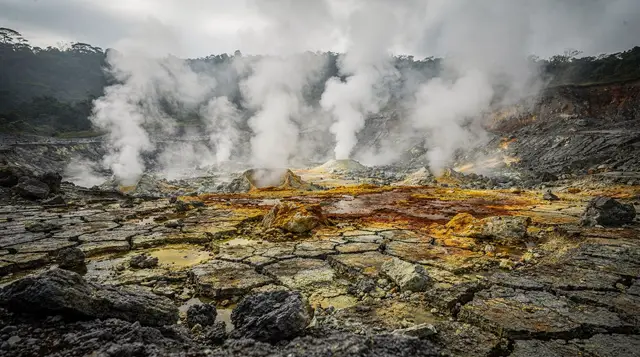
Irazú Volcano (3,431 m) is the highest volcano in Costa Rica and one of the most accessible in Central America. A paved road climbs directly to the crater rim, and the national park opens at 8am daily. The key to Irazú is arriving early — by 10am, clouds frequently move in from the Caribbean side and obscure the crater views. On truly clear mornings (most common December through February), it is possible to see both the Pacific Ocean to the west and the Caribbean Sea to the east from the main viewpoint, a distinction that makes Irazú unique in Costa Rica.
The park contains two main viewing areas: the active Diego de la Haya crater with its striking jade-green lake (colour dependent on mineral concentrations and time of year), and the larger Principal crater, currently dry. A modest museum near the entrance explains the 1963 eruption that famously rained ash on San José on the day US President John F. Kennedy arrived for a state visit.
San José: Irazú Volcano, Cartago city & Orosi Valley tour — from $110 combines the volcano with Cartago city and the Orosi Valley in a single day from San José — the classic Cartago province circuit. For those interested in combining Irazú with the Turrialba volcano viewpoint and the eerie Sanatorio Durán (an abandoned 1915 tuberculosis sanatorium, now a popular paranormal tourism destination), Irazú Volcano: Turrialba viewpoint & Sanatorio Durán tour — from $95 covers this more unusual combination.
Making the most of an Irazú morning
Treat Irazú as a morning commitment and plan the rest of your day around it. Dress in layers, because the summit is far cooler and windier than the Central Valley below, and bring something waterproof in case the cloud arrives early. If the crater is hidden when you first reach the rim, wait a little before giving up: the cloud often tears open for a few minutes at a time, and patient visitors are sometimes rewarded.
If you are comparing volcanoes, the Irazú Volcano National Park guide goes deeper on the park itself, while Arenal vs Poás vs Irazú helps you decide how this one fits against the others. Photographers will find the volcano photography tips useful for the early light and the colour of the crater lake, and the best volcanoes in Costa Rica overview puts Irazú in a national context. For background on why these summits behave the way they do, see understanding Costa Rica’s volcanic activity.
The Orosi Valley: one of Costa Rica’s finest day loops
Below Irazú, the Orosi Valley is a 40-kilometre coffee-growing basin that most visitors overlook entirely. That is their loss. The road from Paraíso (10 km east of Cartago city) drops into the valley through sugarcane fields before reaching Orosi village — home to the oldest church still in active use in Costa Rica, built in 1743, and the adjacent colonial-era Franciscan convent museum.
The valley loop continues past Cachi Reservoir — a large highland lake where local fishermen tie up wooden boats and sell corvina to roadside stalls — and winds through coffee fincas before climbing back to Paraíso. The full loop is around 50 kilometres on well-maintained roads and takes about 3-4 hours of relaxed driving with stops. Bird diversity in the valley is high; watch for emerald toucanets and collared trogons in the forested ravines.
The Cartago-Orosi Valley destination guide covers the loop in detail with specific stop recommendations.
Slowing down in the valley
The Orosi loop rewards a relaxed pace. Rather than racing between viewpoints, let the day unfold around a long lunch at a local café or one of the country’s simple family restaurants; the guide to sodas explains what to order and why these small eateries are often the best value in the region. The Costa Rican food overview and the notes on coffee tours will help you connect what you taste in the valley to the farms around you. If the weather turns, the colonial church and the convent museum make a good shelter before you continue.
Turrialba and the Pacuare River
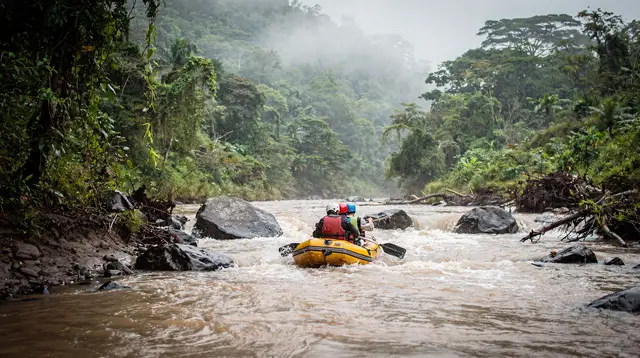
Turrialba, 55 kilometres east of Cartago city, is the province’s second city and one of the best-positioned adventure-sport bases in Costa Rica. The Pacuare River — running north from its Talamanca headwaters through a deep jungle canyon before meeting the Caribbean lowlands — is consistently rated among the top ten whitewater rivers in the world. The Class III-IV rapids are sustained, the canyon walls rise 150 metres on either side, and the riverside jungle hosts scarlet macaws, great green macaws, and (if you are lucky) jaguar tracks in the mud.
Pacuare River rafting (from Turrialba) — from $120 runs the full-day Pacuare experience from Turrialba: transport from your hotel, full safety briefing, lunch by the river, and the 28-kilometre run down the canyon. Multi-day expeditions with a camp or lodge stay inside the canyon are also available and represent one of Costa Rica’s most memorable experiences.
Turrialba Volcano access remains restricted as of 2026 due to ongoing eruptive activity (sulphur emissions and periodic ash falls). Check OVSICORI’s current status at ovsicori.una.ac.cr before planning any summit attempt. The Guayabo National Monument (20 km north of Turrialba) is open and highly recommended — it is the largest known pre-Columbian town site in Costa Rica, with ceremonial mounds, aqueducts, and cobbled roads that archaeologists believe date from 800 BCE to 1400 CE.
Choosing and preparing for a river day
Rafting here is a team activity, so the main preparation is simply being ready to paddle, listen to your guide, and get wet. Wear quick-drying clothing, secure your glasses, and leave valuables at your hotel. For a closer look at the river itself, the Pacuare River rafting guide covers what each stretch is like, and the multi-day Pacuare expeditions page is the place to look if you would rather sleep in the canyon than return the same evening. The rafting class comparison explains what the difficulty grades actually mean, which helps if you are weighing the Pacuare against other rivers such as the Reventazón.
Turrialba itself is a quiet working town, and the Turrialba destination page suggests how to spend an evening there. If you want to understand the wider adventure scene, the extreme adventure routes guide shows how rafting compares with other thrills elsewhere in the country.
Coffee highlands away from the Alajuela crowds
Cartago’s own coffee-growing terrain, in the highlands between the city and the Orosi Valley rim, gets a fraction of the visitor traffic that the Doka and Britt estates near Alajuela province receive. The altitude here (1,400-1,800 m) produces the slow-ripening cherries that specialty roasters prize, and several small family fincas around Cartago and Paraíso run informal tastings and tours without the bus-tour infrastructure of the bigger operations.
This is worth knowing if you’ve already done a coffee tour elsewhere in Costa Rica and want a quieter, more working-farm version of the same experience — ask locally in Paraíso or through your Orosi Valley accommodation, since the tourist infrastructure here is deliberately less organized than the coffee tours comparison guide covers for the more commercial estates.
Climate and getting there
Cartago province sits on the windward Caribbean side of the Central Valley mountains, which means it receives more rainfall than San José year-round. The city of Cartago itself averages 2,800 mm of rain annually — noticeably wetter than San José (1,800 mm). Plan outdoor activities for mornings.
From San José, the Cartago city bus departs Terminal Cartago (near the baseball stadium) every 15 minutes from 5am to midnight ($0.80, 45 minutes). For Irazú, no public bus serves the summit — take a tour or rent a car. For Turrialba, buses from San José’s Atlántico Norte terminal depart regularly throughout the day (90 minutes, $2.50).
Connecting onward from Cartago province: the Braulio Carrillo highway (Route 32) exits the province heading northeast toward Limón province and the Caribbean coast — the road from Cartago to Puerto Viejo de Talamanca takes approximately 4-4.5 hours. Heading west returns you to San José province and the capital. See the driving guide for road condition details.
Planning a Cartago day trip
Because Cartago is so close to the capital, it works well as a base-free excursion. If you do not want to drive, the shuttle services overview and the notes on renting a car or not will help you decide between a tour, a transfer, and your own wheels. Travellers building a longer trip can slot Cartago into the two-week Caribbean, Pacific and volcanoes itinerary, and the best time to visit Costa Rica guide helps you pick the season that gives Irazú its best chance of clear skies. Anyone worried about the weather on the Caribbean slope should also read about microclimates, which explains why conditions can change so sharply within a short drive.
Frequently asked questions about Cartago province
Is Irazú or Poás the better volcano to visit from San José?
They suit different interests. Irazú (Cartago province) is taller, has a more dramatic scale, and pairs naturally with the Orosi Valley loop and Cartago city — making for a richer cultural day. Poás (Alajuela province) has a more photogenic active crater lake and combines well with La Paz Waterfall Gardens and the Doka coffee estate. First-timers often prefer the Poás combination for sheer visual impact; those with more time appreciate Irazú’s historical and geographical context.
Can I combine Irazú and the Orosi Valley in one day?
Yes — this is the standard circuit recommended for visitors with one day in Cartago province. Most tours do Irazú in the morning (clearest sky) and the Orosi Valley in the afternoon. The total driving distance is around 120 km from San José and back, and the pace is comfortable without rushing.
Is the Pacuare River safe for non-expert rafters?
The standard Pacuare run (Class III-IV) is manageable for adults in reasonable physical condition with no prior rafting experience. Licensed operators provide full safety briefings, certified guides, and proper equipment. The Class IV sections require teamwork but are not technically beyond beginners. Children under 12 or travellers with limited upper-body strength may find the Sarapiquí river (Class II-III) a better starting point.
Is Guayabo National Monument worth the detour?
Absolutely, especially for travellers with an interest in archaeology or pre-Columbian Costa Rican history. The site is rarely crowded, the forest around the ruins is excellent for birding, and the 3-kilometre trail gives a genuine sense of the scale of the ancient town. Budget 2-3 hours. Admission costs around $10; guided tours available on-site for an additional fee.
How many days does Cartago province deserve?
One full day covers Irazú, Cartago city, and the Orosi Valley comfortably. Add a second day, based in Turrialba, if Pacuare rafting or Guayabo are on your list — both are far enough from Cartago city that squeezing them into the first day means rushing everything else. Travelers with only a single free day in the Central Valley should prioritize Irazú and the Orosi loop over Turrialba, since those two combine into one efficient circuit.
Where to go next
From Cartago province, logical next destinations are San José city for the airport connection, Turrialba for deeper Pacuare exploration, and Alajuela province for Poás Volcano and the La Fortuna direction. Heading east leads to Limón province and the Caribbean coast via the Braulio Carrillo Highway.