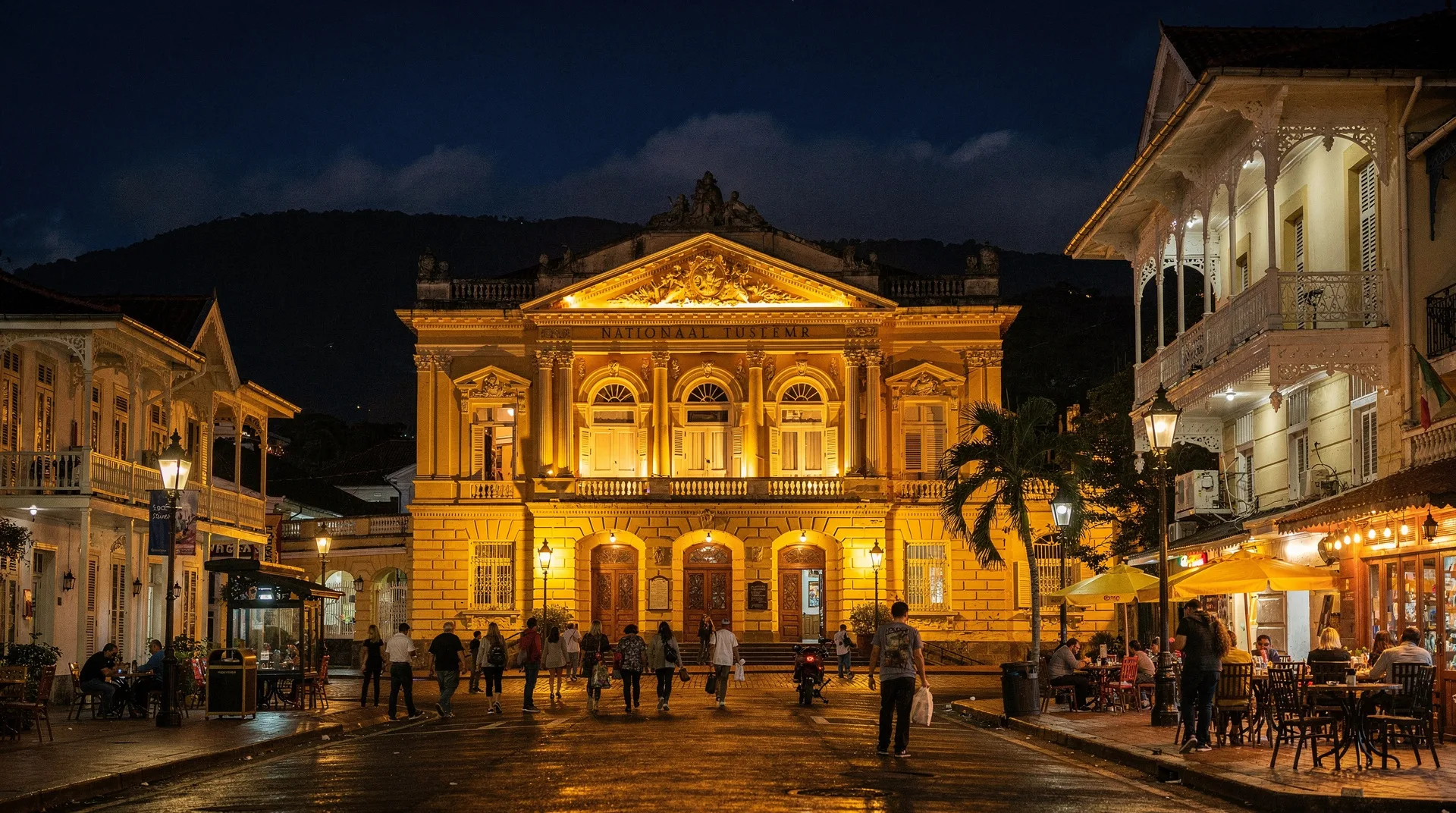
San José province travel guide
Explore San José province — Costa Rica's capital region, volcanic day trips, coffee highlands, and the gateway to Chirripó and the Osa Peninsula.
Top experiences nearby
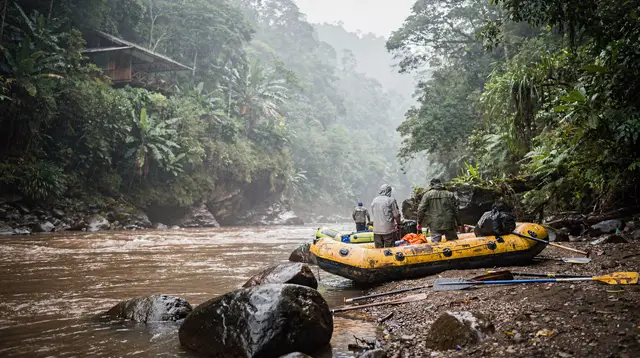
From San José: Pacuare River white water rafting day trip
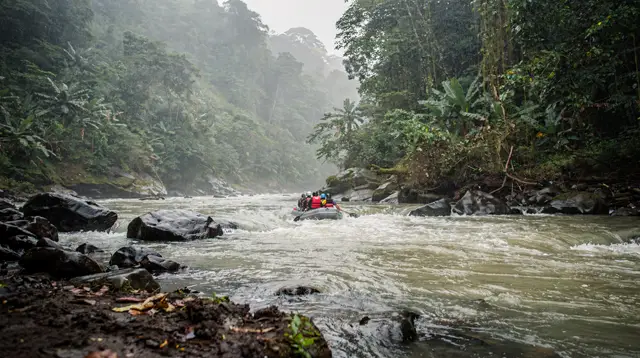
Pacuare River full-day rafting adventure from San José
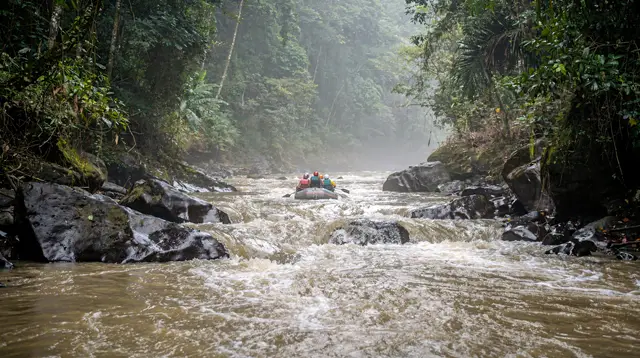
San Jose: Sarapiqui Class 2&3 rafting adventure
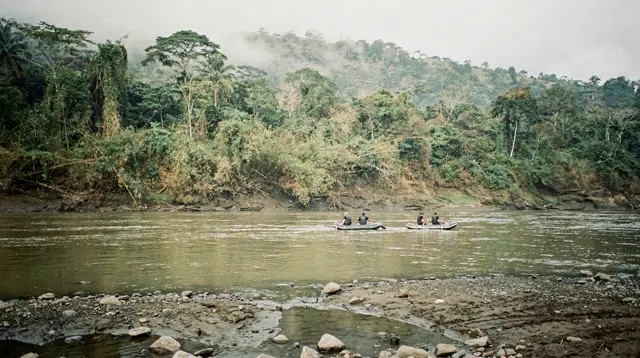
San Jose: Sarapiqui Class 3&4 rafting to La Fortuna
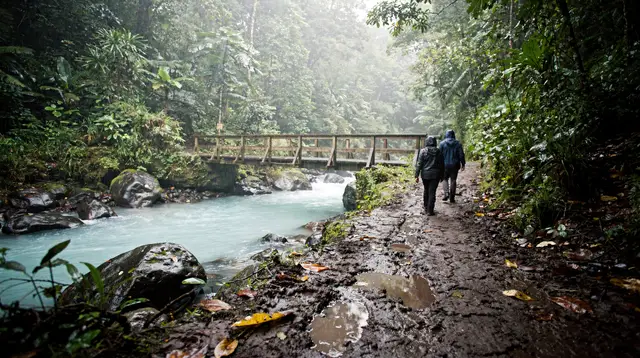
San Jose: Manuel Antonio National Park tour
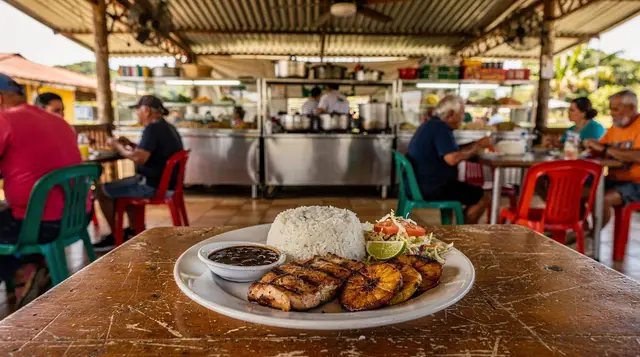
San José: guided city tour with National Theater visit
Quick facts
- Cities and regions
- San José city, Escazú, Alajuelita, Desamparados, Pérez Zeledón, San Gerardo de Dota
- Best time to visit
- December – April (dry season); temperate year-round in the Central Valley
- Getting there
- SJO (Juan Santamaría Airport), 20 min from city centre
- Days needed
- 1-2 in capital; allow 5-10 for the full province
The nerve centre of Costa Rica
San José province is not simply a place you pass through on the way somewhere else — though a great many travellers treat it that way. It is the administrative, economic, and cultural core of Costa Rica, a province that stretches from the congested grid of the capital city southward through coffee-carpeted ridges, cloud forests, and Talamanca mountain peaks before dropping into the hot lowlands of Pérez Zeledón and the remote headwaters of rivers that eventually reach the Osa Peninsula.
The province covers roughly 4,966 square kilometres and contains more than 1.4 million people — the majority of Costa Rica’s urban population. It is divided into nineteen cantons, ranging from the sleek suburb of Escazú (where every global fast-food chain and international bank has an outpost) to the deeply rural highland canton of Dota, where internet arrives by satellite and the main economic activity is growing shade-grown coffee and spotting resplendent quetzals.
For the traveller, San José province offers three distinct experiences: the capital city itself as a cultural hub, the ring of volcanic and highland day trips that fan out within two hours of SJO, and the dramatic southward push along the Pan-American Highway toward Cerro Chirripó and the communities of Pérez Zeledón.
The capital: San José city
San José sits in the Central Valley at around 1,170 metres elevation, which keeps temperatures refreshingly moderate year-round — typically 18–26°C, cooler at night. It is not a pretty city by conventional standards; decades of rapid growth produced a dense tangle of concrete, traffic, and overhead cables. But beneath the urban noise are real cultural assets: the Teatro Nacional (one of Latin America’s finest 19th-century theatres), the Museo Nacional in a former military barracks, the Mercado Central where you can eat a casado for under $5 among Tico market workers, and the Barrio Amón neighbourhood of colonial mansions turned boutique hotels and art galleries.
Most travellers spend one night in San José on arrival — enough time to walk the Paseo Colón, visit the pre-Columbian gold museum (Museo del Oro beneath the Plaza de la Cultura), and eat well before catching a shuttle or rental car to their first real destination.
A good half-day introduction to the city combines the National Theater interior (entry around $15), a walk through the pedestrian-only Avenida Central, and lunch at the Mercado Central. San José: guided city tour with National Theater visit — from $45 San José: zipline La Carpintera tour — from $70 covers the key highlights with a local guide who can explain what you are actually looking at.
Volcanic day trips from San José
The province’s greatest draw for day-trippers is its proximity to active volcanoes. Within ninety minutes of the capital lie Irazú (3,431 m), Poás (2,708 m), and the access routes to Turrialba (3,340 m, currently restricted).
Poás Volcano requires a SINAC reservation made up to four weeks in advance — the crater receives limited daily visitors to protect air quality and visitor safety. On clear mornings before 10am, you can peer directly into the sulphurous crater lake. The drive from San José passes through strawberry farms and dairy country; combine it with a coffee plantation stop and the cascades at La Paz Waterfall Gardens. Poás Volcano, coffee plantation & La Paz Waterfall Gardens — from $130 handles all of this in one long day from the city.
Irazú Volcano offers something unique: on cloudless mornings from the crater rim you can theoretically see both the Pacific Ocean and the Caribbean Sea at the same time — though in practice this requires exceptional atmospheric clarity. The paved road up passes the city of Cartago, and combining Irazú with the Orosi Valley loop makes for one of the most satisfying single-day itineraries in the country. San José: Irazú Volcano, Cartago city & Orosi Valley tour — from $110 covers the full circuit with transport from the capital.
Coffee highlands of the province
The slopes above San José — particularly around Naranjo, Tarrazú, and the Dota highlands — produce some of Costa Rica’s most prized single-origin coffees. Tarrazú coffee is exported to specialty roasters in Europe and Japan; local cooperatives like Coopeagri in Pérez Zeledón and smaller producers in San Gerardo de Dota sell direct to visitors. The climate — cool, misty mornings, warm sunny afternoons — creates ideal conditions for slow cherry development.
For a half-day coffee experience near the airport, Doka Estate in Alajuela province is the most visitor-friendly large plantation; for a more authentic experience, drive south toward the Dota highlands and stop at any roadside pulpería displaying handmade coffee signs.
The Talamanca mountain corridor
The Pan-American Highway (Route 2) climbs steadily south from San José through some of the most dramatic mountain scenery in Costa Rica. Beyond Cartago, the road ascends into páramo — the high Andean-style grassland ecosystem unique to the Talamanca range — before dropping into the Chirripó river valley.
This corridor contains two of the province’s most rewarding off-the-beaten-path destinations:
San Gerardo de Dota is a narrow valley at around 2,200 metres where the Savegre River runs clear and cold through oak forest. It is the most reliable place in Costa Rica to see the resplendent quetzal, particularly from April through June during nesting season. A handful of small lodges, including Trogon Lodge and Savegre Hotel, cater almost exclusively to birders.
Cerro Chirripó (3,821 m), Costa Rica’s highest point and the highest peak in Central America south of Guatemala, rises above the valley. Reaching the summit requires a SINAC permit, a pre-booked bunk at Crestones Base Lodge, and a genuine commitment to an 8-14 hour round-trip hike on the ascent day. The effort is extraordinary — views extend to both oceans on clear mornings, and the páramo ecosystem below the summit is unlike anything elsewhere in the country.
Pérez Zeledón anchors the lower end of the corridor. The administrative centre of San Isidro de El General is a practical overnight stop for Chirripó hikers and a gateway to the Osa Peninsula via the Costanera Sur highway.
Choosing a base: San José city vs Escazú vs Alajuela
Most first-time visitors default to booking a hotel in downtown San José, but the province has three realistic base options depending on your priorities.
| San José city | Escazú | Alajuela (near SJO) | |
|---|---|---|---|
| Best for | Culture, walkability, nightlife | Comfort, dining, safety | Early flights, airport day trips |
| Distance from SJO airport | 30–50 min | 25–40 min | 5–15 min |
| Atmosphere | Urban, mixed | Upscale suburb, malls | Small-town, quieter |
| Typical hotel price | $60–150/night | $90–200/night | $50–120/night |
Travelers prioritising the Teatro Nacional, Mercado Central, and Barrio Escalante’s restaurant scene should stay in the city itself. Those wanting a calmer, more affluent base with good restaurants and easy access to both the city and the airport often choose Escazú. Anyone with an early-morning flight out, or planning the Poás/La Paz day trip first, gains real convenience from a night in Alajuela near SJO.
Escazú and the western suburbs
West of downtown San José, the canton of Escazú has developed into the country’s most internationally-oriented suburb — home to a large expatriate community, most of Costa Rica’s international schools, and a cluster of shopping centers (Multiplaza, Avenida Escazú) with familiar global retail and dining brands.
It divides into three zones: San Rafael de Escazú (the commercial, restaurant-heavy flatland closest to the highway), the older colonial center of Escazú proper on the hillside, and the more rural, mountainous upper Escazú toward San Antonio, known for its Oxcart Festival each March. For visitors who want reliable international-standard dining and a safer, quieter evening walk than downtown offers, Escazú is a practical if less characterful alternative base.
When to visit and getting around
The Central Valley — including San José city — experiences a temperate, near-constant climate. The dry season runs December through April; the rainy season brings afternoon showers from May through November but mornings are usually clear and tours operate normally. Mountain areas (San Gerardo de Dota, the Chirripó approaches) can be cold and foggy at any time of year; pack layers.
From SJO, most provincial destinations are accessible in a rental car. The Pan-American Highway south is in good condition to Pérez Zeledón. The road to San Gerardo de Dota involves a steep switchback descent off the highway; a standard car handles it fine in dry conditions. For Cerro Chirripó, you park in San Gerardo de Rivas and hike from there.
Shuttle services run from San José to La Fortuna (3 hours, ~$55), to Manuel Antonio (3 hours, ~$50), and to Puerto Viejo (4-5 hours, ~$65). See the transport guide for operators and booking links.
Frequently asked questions about San José province
Do I need to spend time in San José city or can I skip it?
Most travellers spend one night in or near San José on arrival — either in the city itself or near the airport in Alajuela. The city has enough cultural interest for half a day but few people choose it as a primary destination. If your goal is beaches or wildlife, use San José as an efficient transit point rather than a destination. That said, the Teatro Nacional, the pre-Columbian gold museum, and the Mercado Central are genuinely worth seeing.
How far is SJO airport from the city centre?
The Juan Santamaría International Airport (SJO) is located in Alajuela, about 17 kilometres northwest of downtown San José. In light traffic the drive takes 20-30 minutes; in rush hour (6-9am and 4-7pm weekdays) it can stretch to an hour. Licensed red taxis from the airport cost around $30-40 to the city centre; shared shuttles are cheaper at $12-20 per person.
Can I do Poás Volcano and Irazú Volcano in the same day?
Technically possible but not recommended. Both volcanoes are clearest in the early morning before cloud builds; visiting one in the morning and driving across to the other means you arrive at the second location in midday haze. Choose one per day: Poás combines naturally with La Paz Waterfall Gardens and a coffee plantation to the north; Irazú pairs with Cartago city and the Orosi Valley to the east.
Is San Gerardo de Dota worth a separate trip or a day trip?
The quetzal valley is 80 km from San José but the drive takes about 2.5 hours due to mountain switchbacks. A day trip is possible but tight — arriving by 7am for the best birding means leaving the city before 4:30am. Most serious birders stay one or two nights at a local lodge to catch both dawn and dusk feeding windows. The accommodation is modest but comfortable; budget $60-120 per room per night.
What is the best itinerary for combining Chirripó with the rest of the province?
Allow a minimum of four days south of San José: day one to drive to San Gerardo de Rivas and check in, day two for the ascent to Crestones Base Lodge, day three summit attempt and descent, day four rest or onward to Pérez Zeledón and the Osa access route. SINAC permits for Chirripó are competitive and must be reserved months in advance during the June-August dry window.
Where to go next
From San José province, the natural progressions are Alajuela province and Cartago province for highland day trips, Puntarenas province for Pacific beaches, and Limón province for the Caribbean coast. For dedicated highland exploration, San Gerardo de Dota and Cerro Chirripó reward the travellers willing to leave the main tourist circuit.