Limón province travel guide
Limón province — Costa Rica's Caribbean coast. Tortuguero turtle canals, Puerto Viejo reggae culture, Cahuita coral reef, and rainforest wildlife.
Top experiences nearby
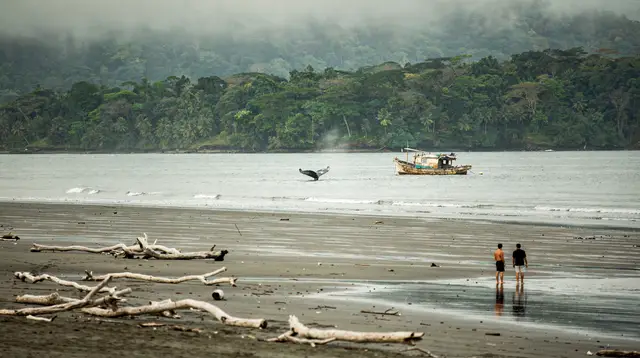
Cahuita National Park & snorkeling private tour
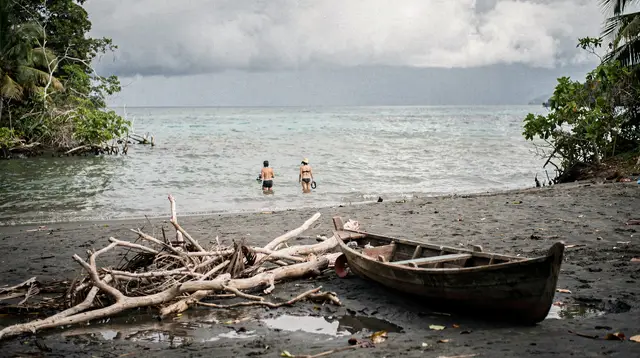
Snorkel in Cahuita National Park: explore the reef
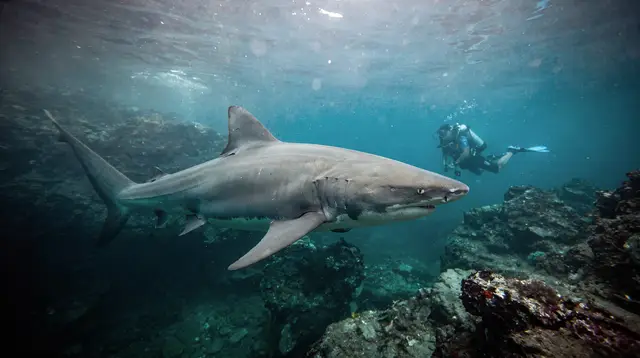
Cahuita National Park: snorkel
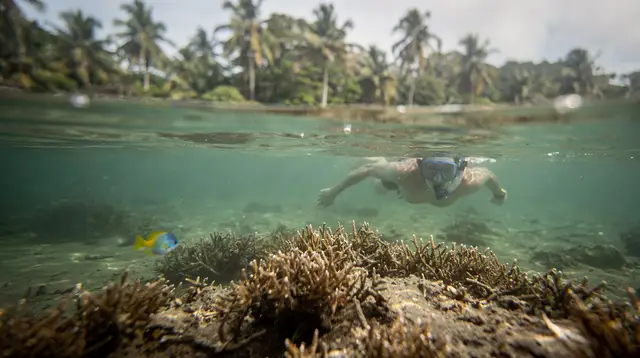
Cahuita NP: snorkeling & wildlife hike (certified guide)
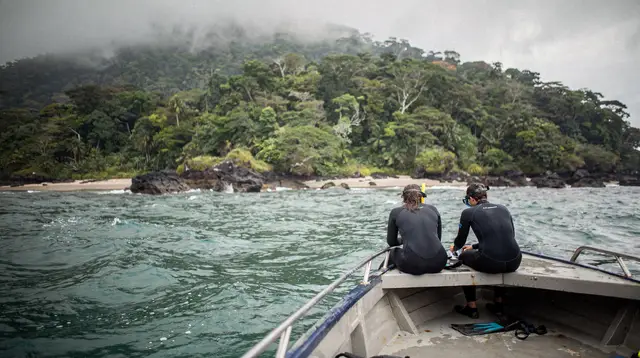
Licensed two-hour snorkeling adventure Cahuita NP
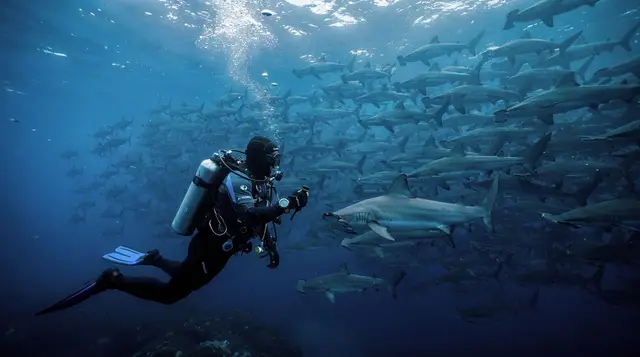
Cahuita NP guided hike with snorkel and lunch
Quick facts
- Cities and regions
- Puerto Limón, Tortuguero, Cahuita, Puerto Viejo de Talamanca, Manzanillo, Bribri
- Best time to visit
- September – October (Caribbean dry window); July – October for turtle watching
- Getting there
- SJO to Puerto Viejo: 4-5 hrs; Tortuguero by boat or Sansa flight
- Days needed
- 2-3 days Tortuguero; 3-4 days south Caribbean (Puerto Viejo + Cahuita)
Costa Rica’s Caribbean soul
Limón province is the other Costa Rica — the one that surprises visitors who expected the same Pacific beach formula and instead find something rawer, more culturally complex, and far more biologically extreme. The Caribbean coast has a distinct identity shaped by Afro-Costa Rican, indigenous Bribri and Cabécar, and Jamaican immigrant communities whose musical traditions, cuisine, and spiritual practices are unlike anything on the Pacific side. Calypso and reggae rather than cumbia; rice and beans cooked in coconut milk rather than arroz con frijoles; cacao grown in ancient Bribri territories rather than coffee on highland slopes.
The province stretches the entire length of Costa Rica’s Caribbean coast — approximately 120 kilometres of coastline from the Nicaraguan border in the north to Panama in the south — plus vast inland territories extending to the Talamanca mountain range. It is divided into four cantons: Limón (the capital), Pococí, Siquirres, and Talamanca. The total area is 9,188 square kilometres, and the jungle density is extraordinary — primary rainforest, secondary growth, river delta canals, coral reefs, and coastal lagoons create an ecosystem of unmatched complexity.
Climate and the Caribbean rhythm
The most important thing to understand about Limón province is that its rainfall pattern is inverted relative to the Pacific. While the Pacific coast has a defined dry season December through April, the Caribbean coast receives rain year-round, with the relative dry windows falling in September-October and February-March. This means that when Guanacaste beaches are at their most crowded and expensive, the Caribbean is experiencing its best weather — less crowded, pleasantly warm, and at its most beautiful.
Average annual rainfall in Puerto Viejo de Talamanca exceeds 3,500 mm. There is no month without rain; the question is frequency, not presence. Plan outdoor activities for mornings and learn to appreciate the dramatic afternoon thunderstorm build-ups as part of the experience.
| Where | Costa Rica’s Caribbean coast, from the Nicaraguan border to Panama |
| Best for | Sea turtles, coral reef snorkelling, Afro-Caribbean culture, surf |
| Getting there | SJO to Puerto Viejo: 4-5hrs by road; Tortuguero by boat or Sansa flight |
| Cost | Around $65 shuttle from San José; snorkel tours from $55-85 |
| Best time | September-October (drier window); July-October for turtles |
Tortuguero: the labyrinth of canals
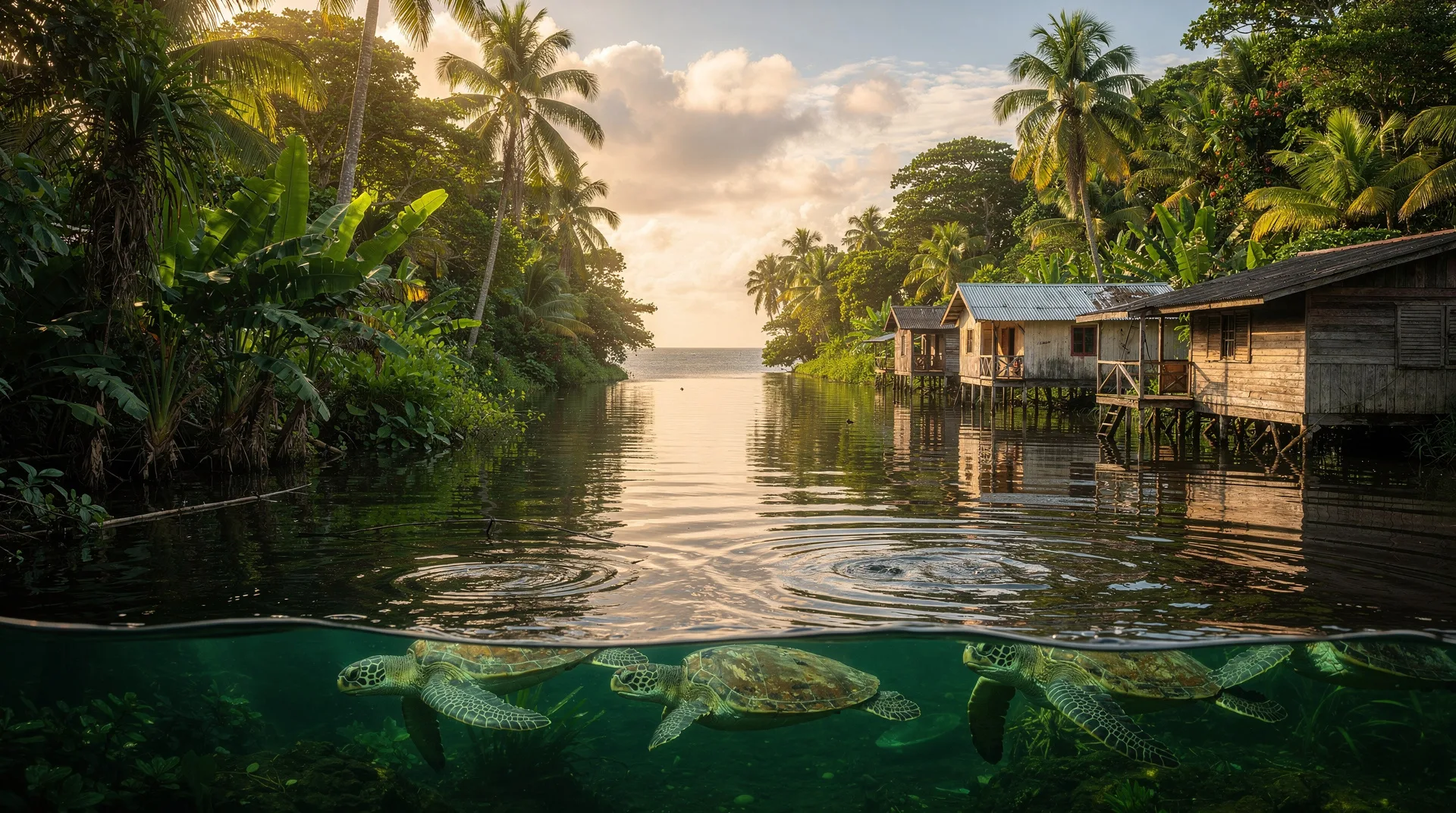
Tortuguero is one of Costa Rica’s most unique destinations — a village accessible only by boat or small plane, surrounded by 311 square kilometres of protected canal ecosystem that supports river otters, manatees (occasional), caimans, great green macaws, and the largest nesting population of green sea turtles in the Caribbean.
The nesting season runs July through October, with August and September the peak months. Female turtles weighing 100-200 kg haul themselves up the beach at night to lay clutches of 80-120 eggs; the watching tours (licensed guides only, no flashlights, no photography) are conducted in strictly managed conditions that minimise disturbance. Turtle watching in Tortuguero, Costa Rica — from $45 is the most established licensed tour operator from the village. Tortuguero: sea turtle tour — from $50 runs tours within the National Park boundaries.
The canal boat tours are equally rewarding even outside turtle season — slow boat rides through jungle-lined waterways where monkeys gather at the water’s edge, herons fish from overhanging branches, and caiman sleep in the sun. The village itself is car-free, with a single main path linking lodges, restaurants, and the park entrance.
Getting to Tortuguero: boat from Cariari (via Puerto Viejo de Sarapiquí) takes 1.5-2 hours; Sansa flights from SJO take 25 minutes. Most visitors book all-inclusive packages from San José that include transport, accommodation, and tours.
Puerto Viejo de Talamanca: Caribbean culture and surf
Puerto Viejo de Talamanca is the cultural capital of Costa Rica’s Caribbean coast — a small beach town with an outsized personality built on Afro-Costa Rican heritage, reggae music, Rastafarian culture, and surf. The local community of Bribri and Cabécar indigenous peoples also has a visible presence, particularly in the Talamanca mountains above the town.
The surf break at Salsa Brava — a shallow reef break with serious hollow waves — draws experienced surfers from around the world. It is one of Central America’s most demanding waves and is not appropriate for learners. Beginners are better served at Playa Cocles, a beach break 3 kilometres east of town, where several surf schools operate.
For wildlife, the sloth sanctuary (officially the Jaguar Rescue Center, outside Puerto Viejo) is one of the most impressive wildlife rehabilitation operations in Central America. Cahuita sloth and wildlife sanctuary half-day tour — from $65 runs half-day tours to the centre with transport from Puerto Viejo.
The beaches stretch for approximately 15 kilometres east of town: Playa Cocles, Playa Chiquita, Punta Uva (consistently ranked among Costa Rica’s most beautiful Caribbean beaches), and Manzanillo at the edge of the Gandoca-Manzanillo Wildlife Refuge. The Manzanillo snorkelling is among the best in the country for coral species diversity — fewer people come here than to Cahuita, and the reef is in better condition.
For zipline and canopy tours near Puerto Viejo, Puerto Viejo Limón: best canopy tour / ziplines — from $70 operates the main platform network with cable lines above the tropical forest.
Cahuita: the coral reef
Cahuita is a relaxed Caribbean village 45 kilometres north of Puerto Viejo whose claim to fame is Cahuita National Park — the most accessible coral reef snorkelling in Costa Rica. The park has two entrances: the Kelly Creek entrance (donation-based, no fixed fee) and the Puerto Vargas entrance (fixed $10 per person). From Kelly Creek, the coastal trail runs 8 kilometres through palm-lined beach forest to Puerto Vargas, with snorkelling off the beach at the Point Cahuita reef section.
The reef suffered bleaching events in 2016 and 2021 but has been recovering steadily. Current conditions (2026) show healthy fish populations — parrotfish, trumpetfish, spotted moray eels, sea turtles — and improving coral coverage. Certified guides provide snorkel equipment and safety supervision; independent snorkelling is technically possible but the reef boundary is not obvious and a guide significantly improves sightings. Snorkel in Cahuita National Park: explore the reef — from $60 runs snorkel tours from the park entrance.
Bribri territory and indigenous tourism
Above Puerto Viejo, the Talamanca mountains are home to the Bribri and Cabécar indigenous communities — some of the most resilient indigenous cultures in Central America, with languages, cosmologies, and agricultural systems that predate European contact by centuries. Cacao cultivation is central to Bribri culture, and several community tourism cooperatives offer farm tours that explain the traditional processing of raw cacao into ancestral chocolate drinks.
Stibrawpa (Talamanca Bribri Women’s Association) and COOPETUALI run well-regarded day tours into the territory from Puerto Viejo. The river journey by dugout canoe to the community adds an hour each way but is itself a rewarding experience.
Turtle nesting seasons at a glance
Limón province hosts three sea turtle species at different times of year, and mixing them up is a common planning mistake:
| Species | Location | Season |
|---|---|---|
| Green turtle | Tortuguero | July-October (peak Aug-Sept) |
| Leatherback | Tortuguero | March-July |
| Hawksbill/green | Cahuita, Gandoca-Manzanillo | March-October (lower density) |
The Gandoca-Manzanillo Wildlife Refuge, at the southern end of the coast past Manzanillo village, also hosts leatherback nesting (March-July) alongside its coral reef and manatee habitat — far less visited than Tortuguero and worth a stop for travelers already based in Puerto Viejo.
Getting to and around Limón province
By road: The main route is SJO → San José → Braulio Carrillo highway → Siquirres → Puerto Limón → Puerto Viejo. Total driving time from SJO: 4-5 hours in normal traffic. The Braulio Carrillo highway (Route 32) through the cloud forest is well-maintained but has challenging passing conditions on the mountain sections — drive carefully.
By shuttle: Caribe Shuttle offers the most Caribbean-focused shuttle network, running San José to Puerto Viejo ($65, 5 hours) and intermediary stops. Book in advance.
By air: Sansa flies San José to Tortuguero (25 minutes) and San José to Puerto Limón (35 minutes).
Within the province: A rented car is useful for the southern Caribbean from Puerto Limón to Manzanillo. No car is needed in Tortuguero. Puerto Viejo has bicycle rental ($10-15/day) for the coastal road.
For planning a full Caribbean itinerary, the 7-day quick Caribbean itinerary covers Tortuguero, Puerto Viejo, and Cahuita in a logical sequence. The best time to visit guide explains the Caribbean’s inverted dry season in more detail.
Frequently asked questions about Limón province
Is the Caribbean coast safe for tourists?
The Caribbean coast has had a higher crime rate than the Pacific in some urban areas, particularly in Puerto Limón city. Puerto Viejo and Cahuita are generally safe for tourists with normal urban precautions — don’t leave valuables on the beach, be aware in dark streets after midnight. The reef-facing beaches and town centres are active with tourists until late. Local advice is worth seeking.
When is the best time to visit Tortuguero?
July through October for green sea turtle nesting (peak August-September). February through April for a drier Caribbean window and leatherback turtle activity (Tortuguero receives leatherbacks March through July). There is no bad month to visit Tortuguero for canal wildlife — bird, reptile, and primate activity is year-round.
Can I visit Cahuita reef without a guided tour?
Yes — independent snorkelling from Kelly Creek beach is permitted, and the reef is accessible from shore. However, water visibility and current conditions vary significantly. A guided tour ($55-85) provides snorkel equipment, safety supervision, reef orientation, and species identification that significantly enhances the experience. For first-time reef snorkellers, a guide is strongly recommended.
How is the food different on the Caribbean coast?
Dramatically different from the Pacific and Central Valley. The Afro-Costa Rican culinary tradition uses coconut milk extensively — rice and beans (not gallo pinto — they are different dishes) cooked in coconut, fish rundown (stew), patí (spiced meat turnover), and pan bon (Caribbean sweet bread). Street food near the Cahuita and Puerto Viejo bus stops is excellent and cheap ($3-5 for a full meal at local sodas). The restaurant scene in Puerto Viejo has expanded to include international options (Italian, Israeli, American) but the local cooking is the reason to visit.
Should I split my time between Tortuguero and the southern Caribbean, or pick one?
If you have 4-6 days, doing both is worthwhile since they are genuinely different experiences — canal wildlife versus beach and reef culture. With less time, prioritize based on interest: Tortuguero for turtles and canal wildlife (July-October for peak turtle season), Puerto Viejo/Cahuita for reef snorkelling, surf, and Afro-Caribbean culture, which work well any time outside the wettest weeks.
Where to go next
From Limón province, the most natural transitions are Heredia province and Sarapiquí heading northwest (the Braulio Carrillo corridor), Cartago province via the highway connection, and Panama to the south via the Sixaola border crossing — a straightforward crossing for those continuing to Bocas del Toro.