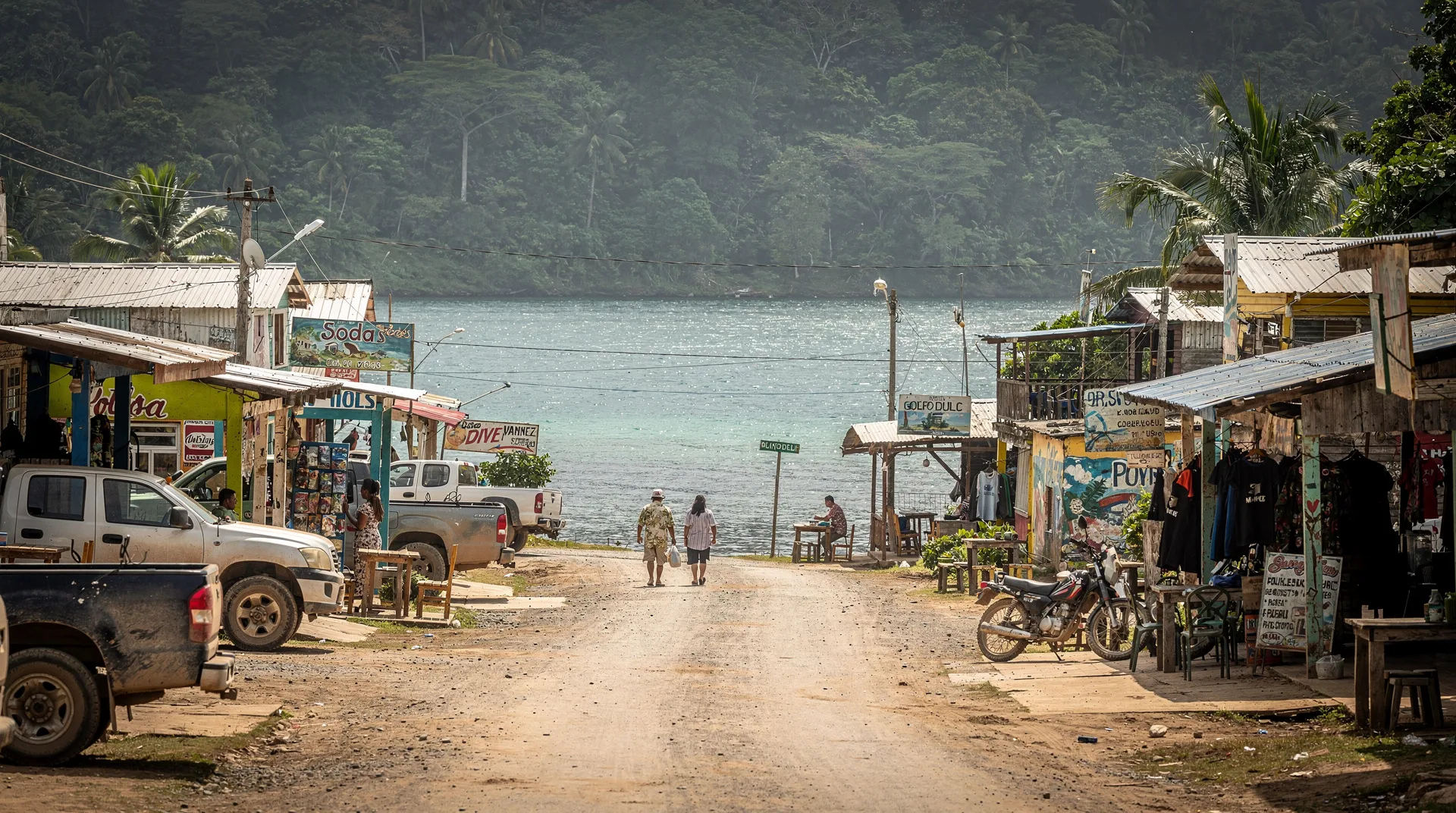
Puerto Jiménez — the gateway town for Corcovado and Osa Peninsula eco-tourism
Puerto Jiménez is the main base for Corcovado National Park and Osa Peninsula: Sirena Station tours, dolphin watching, and sustainable eco-tourism.
Top experiences nearby
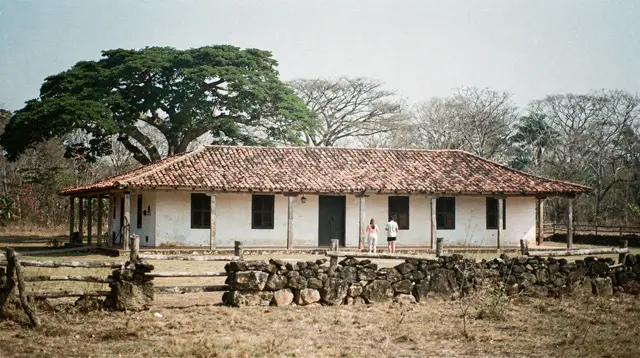
Corcovado NP: Sirena day tour Drake Bay-Corcovado
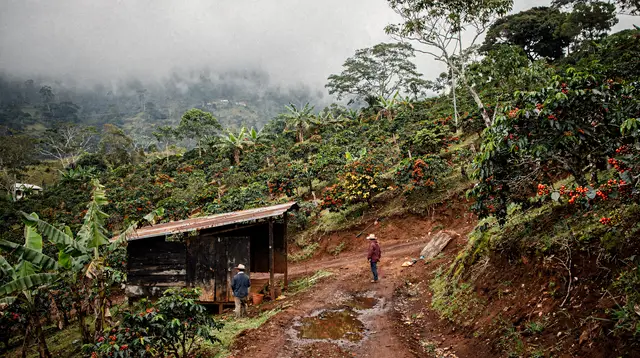
Puerto Jiménez: chocolate tour
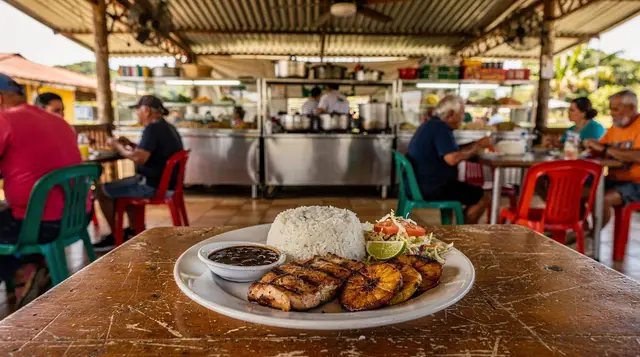
Nosara: traditional Costa Rican cooking class and meal
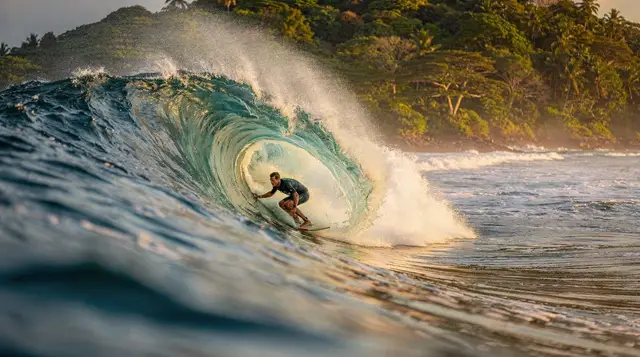
Nosara catamaran sunset charter
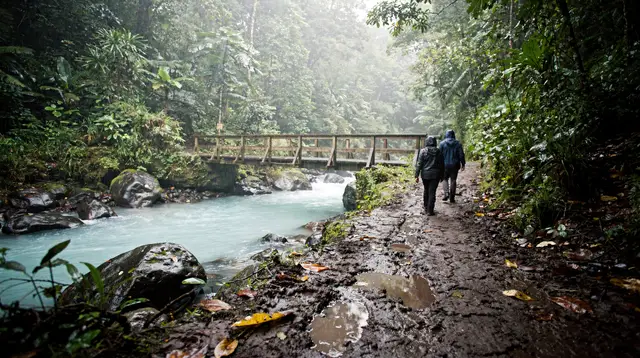
Corcovado: three days and two nights
Quick facts
- Best time to visit
- December to April (dry season); Corcovado Sirena sometimes closes September to October
- Days needed
- 2 to 3 days
- Getting there
- 360 km from San José — 6 hours by car or 50 minutes by Sansa/Aerobell flight
- Budget per day
- USD 80 to 250
The last proper town before the wilderness
Puerto Jiménez sits at the base of the Osa Peninsula, 360 kilometers from San José via the southern Pacific highway — or 50 minutes by Sansa or Aerobell from SJO, which is how most travelers who plan properly arrive. The town is small: a waterfront, a few streets of restaurants and guesthouses, a MINAE (environment ministry) office where Corcovado permits are organized, and a small airport that handles more charter traffic than most Costa Rica visitors expect.
The reason to be here is Corcovado National Park, which the National Geographic once called “the most biologically intense place on earth.” Corcovado covers 42,000 hectares of lowland rainforest, mangrove, and coastal jungle on the western side of the Osa Peninsula, protecting populations of all four Costa Rican monkey species, Baird’s tapirs, jaguars, pumas, harpy eagles, and a scarlet macaw population visible even from the air as you approach. Puerto Jiménez is the eastern access point to the Sirena Station — the park’s interior research station and the destination for day and overnight tours.
Corcovado National Park from Puerto Jiménez
Sirena Station, 21 kilometers into the park from the La Leona ranger station, is the premier wildlife destination in the park. The trail from La Leona requires either a 4-hour walk along the beach (seasonal, requires tide timing) or a boat transfer followed by a shorter walk. All Corcovado visits require a certified guide — this is SINAC’s mandatory rule and it is good policy. Self-guided visitors miss 90 percent of what the forest contains.
The Puerto Jiménez-based Sirena day tour is a long day (departure before 6:00 AM, return after 5:00 PM) but the wildlife density justifies the effort. Four monkey species, tapirs at the river mouth, scarlet macaws in the canopy, and a genuine chance of seeing a jaguar footprint — Sirena is the only place in Costa Rica where all of these are realistic.
Corcovado NP: Sirena day tour Drake Bay-Corcovado — from $145Dolphin and whale watching from Drake Bay
The waters around the Osa Peninsula hold spinner, bottlenose, and common dolphins year-round, and humpback whales on the southerly migratory pattern from August through October. The dolphin and whale watching tour departs from Drake Bay, the western access point of the Osa, but is bookable from Puerto Jiménez with included transport.
Drake Bay: dolphin and whale watching tour — from $120Chocolate tour in Puerto Jiménez
The Osa Peninsula has a small but serious cacao industry — indigenous Bribrí farming cooperatives and small eco-lodges have developed bean-to-bar chocolate experiences that are significantly more authentic than the plantation tours near San José. The Puerto Jiménez chocolate tour visits a local producer and covers the full fermentation, drying, and roasting process.
Puerto Jiménez: chocolate tour — from $45Planning a Corcovado visit: the practical details
Corcovado requires pre-booking through SINAC (the national parks system) or through a certified guide/operator. Walk-in entry is not permitted at Sirena Station. Permits sell out weeks in advance in high season (December through March). Book as far ahead as possible — 4 to 8 weeks is the standard recommendation. Our full Corcovado National Park guide covers permit logistics in detail, including which ranger stations are currently accepting day visitors.
The Sirena Station sometimes closes from September to November due to flooding and trail erosion from heavy rainfall. Confirm access dates through your operator if traveling in this window.
Equipment for Corcovado: Long sleeves and pants (despite the heat — protection from insects and vegetation is more important than comfort), waterproof bag for camera equipment, trekking sandals or boots with ankle support, DEET-based insect repellent. Sun exposure on the beach sections of the trail is intense — SPF 50 minimum.
Budget tip: Organize guides directly through the MINAE office in Puerto Jiménez or through local certified guide cooperatives. Tour prices through San José-based agencies include significant markup. A locally arranged Sirena day tour with a certified local guide runs USD 100 to 140 per person including transport; the same itinerary through a San José agency typically runs USD 200 to 250.
Puerto Jiménez vs Drake Bay for Corcovado access
Corcovado has two main access towns, and the choice affects both logistics and the experience:
| Puerto Jiménez | Drake Bay | |
|---|---|---|
| Access to park | East side, via La Leona | West side, via San Pedrillo/Sirena boat |
| Getting there | Road (6 hrs) or 50-min flight | Boat from Sierpe or flight |
| Town infrastructure | Fuller (bank, supermarket, airport) | Minimal, remote |
| Best for | Independent travellers, budget guides | All-inclusive lodge stays |
Both reach Sirena Station; the choice usually comes down to whether you prefer a proper town base (Puerto Jiménez) or a more remote, lodge-centred experience (Drake Bay). Many serious wildlife travellers do both on the same trip, entering from one side and exiting the other.
Wildlife without entering the park
The Osa Peninsula has significant wildlife even outside park boundaries. The Cabo Matapalo area (southern tip of the Osa, 35 km south of Puerto Jiménez) has resident spider monkeys, scarlet macaws nesting in the canopy, and dolphins feeding in the channel. The Bosque del Cabo Lodge and Lapa Rios Lodge both have trail systems accessible to guests with high wildlife encounter rates. Visitors doing the 14-day wildlife photography itinerary typically allocate the Osa section as their final destination after Drake Bay — the two access points complement each other well.
Early morning at the Puerto Jiménez waterfront produces macaws and parakeets in the mangroves — no tour required.
Birding around the Golfo Dulce
The Osa Peninsula is one of the top birding regions in Costa Rica, and Puerto Jiménez sits right on the edge of the action. The mangroves near the waterfront hold mangrove hummingbirds (a Costa Rica near-endemic), while the forest trails around Lapa Rios and Bosque del Cabo regularly turn up great curassow, black-hooded antshrike, and multiple trogon species. Our bird watching by region guide and costa Rica wildlife overview put the Osa’s numbers in context against Monteverde and the Caribbean slope — the Osa wins on raw density even if Monteverde has the more famous quetzal draw.
Reading the rhythm of the Osa
Life in Puerto Jiménez follows the forest, not the clock. Mornings start early because wildlife is most active before the heat builds, and by early afternoon the town slows down. Plan your days the same way: the long outings first thing, a quiet lunch, then a slow walk along the waterfront when the light softens. Travelers who try to pack too much into one day usually end up tired and miss the very animals they came for.
Weather shapes everything here. If you are deciding when to come, our best time to visit Costa Rica guide, the dry season pros and cons and the green season pros and cons explain the trade-offs between easier trails and quieter, greener months. The microclimates explained guide also helps make sense of why the Osa can feel so different from the rest of the country within a single afternoon.
An overnight in the park
If a single day at Sirena leaves you wanting more, a multi-day trip is the natural next step. Sleeping inside the park means you are on the trails at dawn and again after dark, when the forest changes completely. A guided multi-day Corcovado trek with nights at the ranger station — from $695 suits travelers who are comfortable with simple facilities and long days on foot. Read the Corcovado National Park guide first, and compare the two parks in Manuel Antonio vs Corcovado if you are still choosing between a managed visit and a true wilderness one.
Night walks deserve a mention on their own. Our nocturnal wildlife guide describes what moves after sunset, and the wildlife watching ethics page explains how to behave around animals so your presence does no harm. For the best photographs, the wildlife photography tips cover patience, distance and light in dense forest. If primates are your priority, the monkey species of Costa Rica guide helps you recognize what you are seeing, and the where to see sloths page is a useful companion.
Eating and downtime in town
Puerto Jiménez is a working town as much as a tourist base, and that is part of its charm. You will find simple local restaurants alongside places catering to visitors, and the best meals are often the unfussy ones. For a sense of what to order, browse the sodas and best local restaurants guide, the gallo pinto and traditional dishes page and the broader Costa Rica cuisine by region overview. If cacao interests you beyond the local tour, the chocolate and cacao tours guide compares the options across the country.
Rest days are worth building in. A slow morning, a bit of birdwatching on the shoreline and an early night before a big park day will do more for your trip than another activity. Bring cash for small purchases and read the ATM and cash tips and money and currency pages before you leave the larger towns, since services are thinner in the south. Our tipping culture guide covers what is customary for guides and drivers.
Getting around and staying prepared
Distances on the peninsula feel longer than they look on a map, so decide early whether you will rent a car or rely on guides and transfers. The rent a car or not guide, driving in Costa Rica and road conditions by region will help you choose. If you would rather skip the long drive, the internal flights with Sansa and Aerobell guide explains the air option, and airport to destination transfers covers the ground leg afterward.
Pack with the climate in mind: our packing list for Costa Rica is a good starting point, and a policy from travel insurance in Costa Rica is sensible for a remote region. For general reassurance, see safety in Costa Rica and beach safety, particularly if you plan to swim along the Golfo Dulce coast.
Combining the Osa with other regions
The south pairs naturally with the central Pacific coast. Many travelers continue north to Uvita for the Marino Ballena National Park and its whale season, or stop at Dominical and Manuel Antonio on the way back. If the Pacific south is your main focus, the Guanacaste vs Pacific south comparison and the 10-day eco-luxury itinerary show how the Osa fits into a longer route. For adventure seekers, the 12-day Corcovado and Pacuare itinerary is another option, and the Cano Island snorkeling guide adds a sea day to the trip.
Where to stay
Eco-lodges: Lapa Rios Lodge (11 km south, USD 350 to 550 per person all-inclusive) is consistently cited as one of the best eco-lodges in the world — private bungalows in 1,000 acres of private reserve, extraordinary wildlife, and impeccable service. Bosque del Cabo (35 km south, USD 200 to 350) is comparable quality at a lower price. In town: Iguana Lodge (2 km south, USD 100 to 180) is a mid-range hotel with a pool. Budget: Hotel Oro Verde and Cabinas Jiménez in town offer rooms at USD 40 to 70.
Getting there
Flying from San José (SJO) is strongly recommended. Sansa and Aerobell both operate daily flights at USD 80 to 120 one-way; the flight takes 50 minutes versus 6+ hours by car. The road via the southern Costanera Sur highway passes through Uvita and Dominical, and is paved, but the final section from Palmar Norte over the Río Terraba crossing can be muddy in the wet season. If driving, a 4WD is strongly recommended in the wet season (May through November).
Frequently asked questions about Puerto Jiménez
Do I need a guide to visit Corcovado from Puerto Jiménez?
Yes — SINAC regulations require certified guides for all Corcovado visits since 2014. This rule applies to all zones, not just Sirena. Certified guides are identified by their SINAC license card. The mandatory guide requirement is genuine conservation policy — unguided visitors cause trail damage and harass wildlife inadvertently.
How far in advance should I book Corcovado?
Minimum 4 weeks in high season (December through March), ideally 6 to 8 weeks. Day permits at Sirena are limited and sell out. If you arrive without a booking, check with local guide associations in Puerto Jiménez — cancellations occasionally create openings, but do not plan your trip around this possibility.
Is the road to Puerto Jiménez passable in the wet season?
The main highway to Palmar Norte (Route 34, Costanera Sur) is paved and reliable year-round. The road from Palmar Norte through Rincón to Puerto Jiménez has paved and unpaved sections; in the wet season, some sections flood after heavy rain. A 4WD with high clearance handles it in normal wet season conditions. In October and November (heaviest rainfall), check with local hotels on current road conditions before driving.
What other wildlife can I see around Puerto Jiménez?
Scarlet macaws feed in the mangroves near the waterfront daily. Spinner and bottlenose dolphins are visible from the bay shore. The Piro Biological Station (inside Corcovado, 20 km south) offers volunteer and visitor programs for extended wildlife observation. Nocturnal wildlife tours in the Osa find poisonous dart frogs, tree snakes, kinkajous, and rare night monkeys.
How to fit Puerto Jiménez into your itinerary
The minimum meaningful Osa Peninsula visit is 2 nights: one day for the Corcovado Sirena tour, one day for the dolphin/whale tour and town exploration. Three nights allows for an overnight at Sirena Station itself (bookings required months ahead) or an additional kayak or snorkel day around the Golfo Dulce. The 12-day south Pacific deep itinerary allocates proper time to both Drake Bay and Puerto Jiménez approaches.