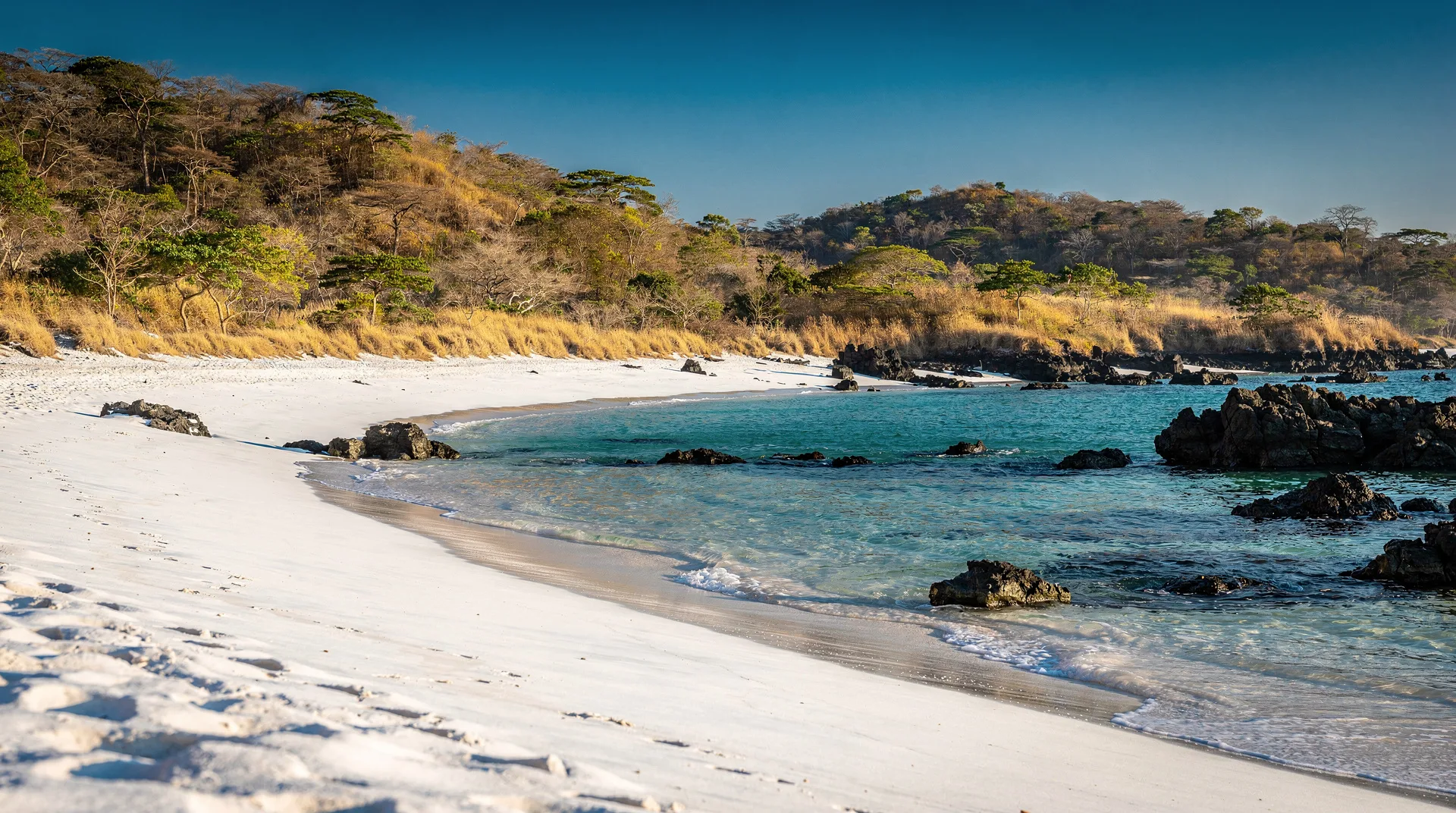
Playa Hermosa Guanacaste — the calm bay that families keep choosing
Playa Hermosa in Guanacaste offers the calmest family swim bay in the region, proximity to Coco diving, and resort amenities without Tamarindo crowds.
Top experiences nearby
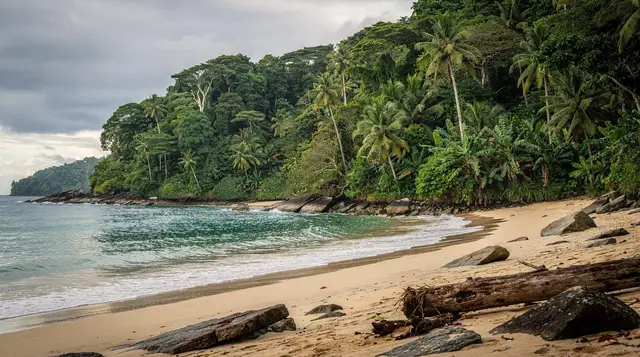
Playas del Coco: sunset sailing and snorkeling tour
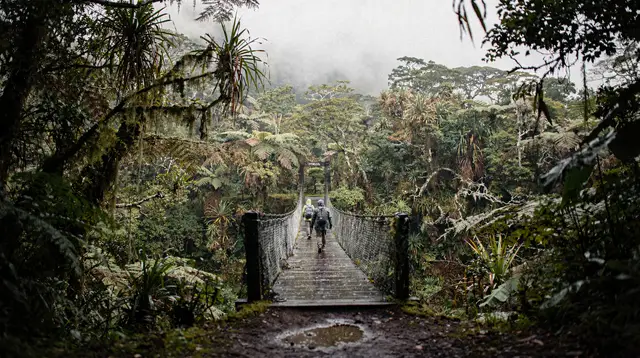
Coco Beach: private ATV adventure 4-hour
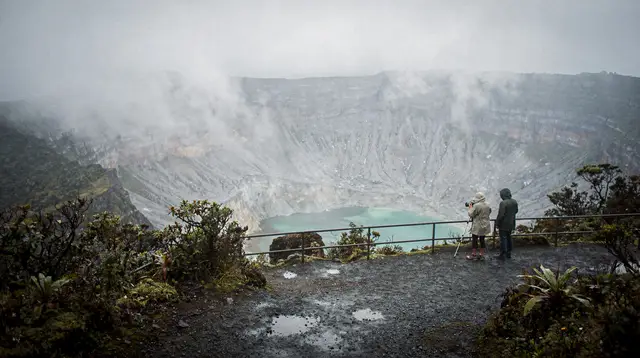
Papagayo Gulf: Guanacaste volcano and jungle tour
Guanacaste: discover scuba dive day in Papagayo Gulf
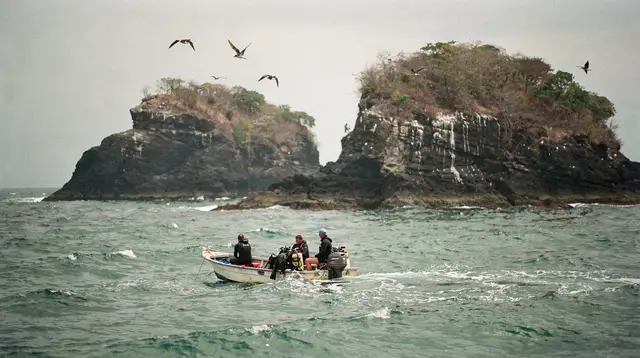
Papagayo Gulf: 2 dives half-day scuba dive tour
Jetski rental in Gulf of Papagayo
Quick facts
- Best time to visit
- December to April (dry season)
- Days needed
- 1 to 2 days
- Getting there
- 30 km from Liberia airport — 25 minutes by car or taxi
- Budget per day
- USD 80 to 200
The bay that earns its calm
There are two Playa Hermosas in Costa Rica — one near Jacó on the central Pacific coast, and this one in Guanacaste. The Guanacaste version sits in a bay enclosed by rocky headlands that break most ocean swell before it reaches the beach. The result is water consistently calm enough for children who are not strong swimmers, even in the wet season when the Pacific coast turns rough.
Playa Hermosa Guanacaste is 30 kilometers from Liberia airport — about 25 minutes by car — making it one of the most accessible quality beaches from the LIR entry point. Its proximity to Playas del Coco (5 kilometers north) means dive trips into the Papagayo Gulf are easy to arrange from here, while the beach itself is demonstrably calmer and more suitable for families than Coco’s grey-sand town beach.
The tradeoff: Hermosa is resort-dominated. There is no real town here — just a string of hotels and condo developments along the beach road, with a few restaurants between them. You will not find the Tico authenticity of Sámara or the shopping and restaurants of Tamarindo. If your priority is calm water, proximity to the airport, and an uncrowded beach with good resort amenities, Hermosa delivers on all counts.
Swimming and beach conditions
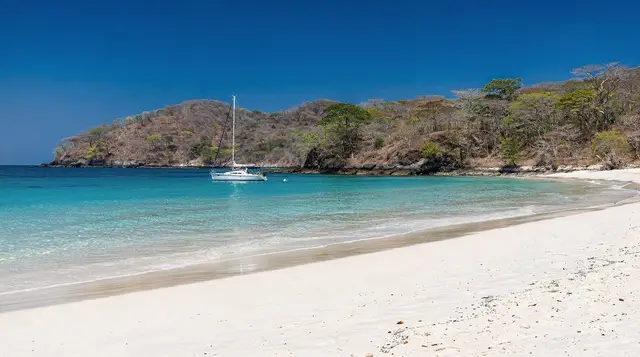
The beach itself runs about 800 meters in a slight curve, backed by dry forest on the hills above. The sand is medium-grain and light grey — not white, but clean. The water entry is gradual with a sandy bottom and no significant rocks in the main swimming area. Water temperature runs 28 to 30°C in the dry season.
The bay’s natural protection means that swimming is generally safe year-round, though in the wet season (May through November) occasional afternoon swells push through the headland gap. Lifeguard coverage is seasonal — check current status with your hotel in the wet season.
The best snorkeling is from the rocky point at the southern end of the bay, where reef fish gather around the boulders. This is accessible from the beach at any tide level.
A typical day on the sand
Hermosa rewards a slow rhythm. Mornings are the easiest time to be in the water: the bay is at its most settled, the light is soft, and the beach is quiet enough that you can claim a patch of shade without effort. Families with small children tend to settle in early, build a base near the hotel terrace, and alternate between short swims and breaks in the shade of the trees at the back of the beach.
Because the beach is backed by dry forest rather than a town, the soundtrack is gentler than at busier Guanacaste spots. That suits parents who want to keep an eye on children from a lounger, and it suits couples who simply want to read. If you want to understand how this compares with the wider coast, the Guanacaste beach guide and the Nicoya Peninsula beaches overview place Hermosa among its neighbours.
Calm water is not the same as risk-free water. Children still need an adult within reach, and sun protection matters more than most visitors expect during the hottest hours of the day. Read the beach safety guide before your first swim, and keep in mind that conditions can change between morning and afternoon, especially in the wet season.
Setting up the trip with young children
A short stay here works best when it is planned around the children’s energy rather than a list of sights. Keep the first day light: arrive, swim, eat early, and sleep. Save any excursion for the second day, when everyone has adjusted to the heat.
Our family travel tips cover the practical side of travelling with kids, and the guide to activities for young children gives ideas for the hours when the beach alone is not enough. For parents comparing options across the country, family-friendly itinerary planning shows how a calm-bay stop like this one fits into a longer route.
Which calm-water beach fits your family
Playa Hermosa is one of several bays in this section of Guanacaste marketed toward families on the strength of calm water. It’s worth knowing how the alternatives compare before committing:
| Playa Hermosa | Playa Conchal | Playas del Coco | |
|---|---|---|---|
| Water calm | Very calm (protected bay) | Calm | Variable |
| Sand | Grey, clean | White shell, spectacular | Grey volcanic |
| Airport distance | 30 km (closest) | 71 km | 35 km |
| Town/restaurants | Resort strip only | None on beach | Full town |
Our best family beaches guide and kid-safe beaches guide go deeper on which Guanacaste and Pacific beaches suit different ages and swimming abilities.
Diving the Papagayo Gulf from Hermosa
The sunset snorkel and sailing tour departs from Coco but can be arranged from Hermosa with a short transfer — this is the easiest intro to the Papagayo waters.
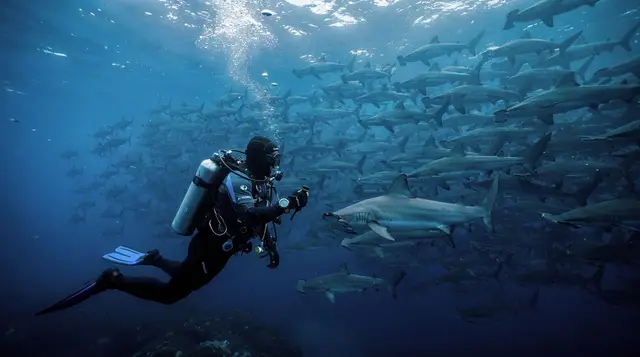
Playas del Coco: sunset sailing and snorkeling tour — from $95For certified scuba divers, the discover scuba format in the Gulf provides an introduction to Papagayo’s underwater environment — eagle rays, schools of snappers, moray eels, and the occasional sea turtle.
Guanacaste: discover scuba dive day in Papagayo Gulf — from $155For something more adventurous on the water, the Gulf’s protected conditions make jetski rental practical even for less confident ocean riders.
Jetski rental in Gulf of Papagayo — from $95Snorkeling or scuba: how to choose
The two options suit different travellers. Snorkeling is the lower-commitment choice: no training, a relaxed pace, and a good fit for mixed groups where some people prefer to stay near the surface. Scuba takes more preparation but opens up the deeper parts of the Gulf, which is where much of the larger marine life gathers. If you are undecided, the snorkel versus dive comparison lays out the trade-offs, and the Costa Rica marine life guide explains what you might see.
Divers who want to go beyond the Gulf should read about diving the Catalinas Islands, which many operators in the area visit. Travellers who would rather stay on the surface can browse the best snorkel beaches for other options along the coast.
Whichever you pick, book with an operator that briefs you properly on conditions, and follow the guidance in our wildlife watching ethics guide when you meet turtles, rays or other animals.
ATV exploring inland
For travellers not spending every day at the beach, the dry-forest hills behind Hermosa and Coco offer guided ATV routes with genuinely good coastal viewpoints — a reasonable half-day break from the sand, and one that works well for teenagers who have had enough of the calm water by day three.
Coco Beach: private ATV adventure 4-hour — from $140 Horseback riding on the beach (Santa Cruz) — from $70Choosing your season
Hermosa is at its most dependable in the dry months, when skies are clear and the bay is at its calmest. The dry season pros and cons explain what you give up in exchange: busier hotels and higher rates. The green season has its own appeal, with fewer visitors and lusher hills, and the green season pros and cons help you decide whether that trade suits your family.
Many travellers find the best balance in between. The shoulder season deals guide and our overview of when to visit Costa Rica show how to time a stay for value without losing too many sunny days. If you already know your month, the December weather guide and February weather guide describe what to expect on the ground, and the microclimates explainer shows why Guanacaste feels so different from the Caribbean side.
The resort scene
Playa Hermosa is dominated by a handful of mid-to-upper-range hotels. Hotel Playa Hermosa Bosque del Mar is the best in class — 22 rooms, each with direct beach access or a terrace facing the bay, a good pool, and an on-site restaurant. Rates from USD 180 to 280 per night in high season. Sol y Luna is a smaller, more personal Italian-owned hotel at USD 120 to 180 — excellent breakfast and a relaxed atmosphere.
El Velero Restaurant is the most visible beachfront dining option — reasonable seafood at USD 15 to 25 per person. Ginger, on the hill above the beach, has the most creative food in the area but requires a taxi or drive (USD 15 to 20 per person). For casual, local-price food, driving the 5 kilometers to Coco and eating at Soda Teresita saves significant money.
Day trips from Hermosa
Rincon de la Vieja: 60 kilometers northeast, Rincón de la Vieja National Park is Costa Rica’s most dramatic volcanic landscape outside Arenal — mud pools, fumaroles, and waterfalls. Full-day tours depart from most Guanacaste hotels.
Diamante Adventure Park: 25 kilometers south, Diamante has ziplines, a wildlife sanctuary, and cultural experiences. A good option for families who want a structured full-day activity that does not require water.
Tamarindo: 60 kilometers south, about 1 hour by car. Feasible as a day trip for surf lessons or shopping, though staying overnight makes more sense if you want to explore Tamarindo properly.
Getting there
From Liberia (LIR) airport: 30 kilometers, 25 minutes. Take the highway toward Coco and turn off at Hermosa — well-signposted. Taxi from LIR costs USD 25 to 35. Rental car from the airport is the most practical approach; there is no meaningful public transport to Hermosa itself.
From San José: 280 kilometers, about 4 hours via the Interamericana Norte. Flying into Liberia is strongly recommended for this destination.
Arrival-day logistics
The main advantage of Hermosa is how little effort it takes after a flight. Decide before you land whether you want a car: the rent a car or not guide weighs the options, and the driving in Costa Rica guide prepares you for road etiquette and fuel stops. If you prefer not to drive, the airport transfers guide and the shuttle services overview explain the alternatives.
Carry some cash for small purchases, and read the ATM and cash tips before you rely on a card everywhere. Travellers connecting onward may also want the packing list, which covers the sun and water essentials this part of the country demands.
Beyond Hermosa
Once you have had your fill of calm water, the neighbouring bays give you contrast. Brasilito offers a more local feel, Las Catalinas is a planned walkable community, and Liberia is useful for supplies on the way in or out. For a longer view of the province, the Guanacaste province page shows how the pieces connect, and the Guanacaste versus the south Pacific comparison helps if you are deciding where to spend the rest of your trip.
Frequently asked questions about Playa Hermosa Guanacaste
How does Playa Hermosa compare to Playa Conchal for a family trip?
Playa Conchal has a more beautiful beach (crushed shells, electric blue water) and the resort infrastructure of the Westin. Hermosa has better natural calm-water swimming for very young children and is significantly cheaper. If the budget allows, Conchal is more visually spectacular. If calm water and value matter more, Hermosa is the more practical choice.
Is Playa Hermosa safe for non-swimmers?
Yes — the bay’s protected conditions are exactly why families choose it. The water is calm and the depth increases very gradually. Floats and lifejackets are available from most hotels. Non-swimmers can wade comfortably in waist-deep water for 40 to 50 meters from shore.
Can I do day trips to the Catalinas Islands from Hermosa?
Yes. While most dive operations are based in Coco, they accept pickup from Hermosa hotels. A 5-kilometer transfer to Coco before a dive trip adds minimal time. The Catalinas Islands — with manta rays and eagle rays from December through May — are around 1.5 hours by boat from the Coco departure point.
Is there a town near Playa Hermosa for restaurants and shopping?
Coco is 5 kilometers north and has supermarkets, restaurants, pharmacies, and banks. Hermosa itself has only hotel restaurants and a few small shops. Plan to drive to Coco for anything beyond basic provisions.
How to fit Playa Hermosa into your itinerary
Hermosa works as a landing spot immediately after Liberia arrival, particularly for families who do not want to travel far on arrival day. One to two nights in Hermosa, followed by Flamingo or Conchal if the beach needs to be better, covers the area well. The 5-day Guanacaste resort itinerary maps this sequence in detail.